
With Benefits of intermittent fasting for digestive health at the forefront, embark on a journey exploring how intermittent fasting can revolutionize gut health and overall well-being. Dive into the science behind digestive benefits and discover the transformative power of this approach.
Benefits of intermittent fasting for digestive health
Intermittent fasting has gained popularity for its numerous health benefits, including its positive impact on digestive health. By giving your digestive system a break from constant food consumption, intermittent fasting allows for improved digestion and absorption of nutrients.
Impact on gut microbiota
Intermittent fasting has been shown to promote a healthy balance of gut microbiota, which are beneficial bacteria in the digestive system. This balance is essential for proper digestion, absorption of nutrients, and overall gut health. By allowing time for the gut to rest and repair, intermittent fasting can help maintain a diverse and healthy gut microbiome.
Comparison with traditional diets
Unlike traditional diets that focus on calorie restriction or specific food choices, intermittent fasting works by regulating the timing of meals. This approach can be more sustainable and easier to follow for some individuals, while still providing the same digestive benefits.
Intermittent fasting supports digestive health by improving insulin sensitivity, reducing inflammation, and promoting healthy gut bacteria growth.
Mechanisms supporting digestive processes
Intermittent fasting triggers autophagy, a cellular process that helps remove damaged cells and regenerate new ones. This process not only supports overall cell health but also benefits the digestive system by reducing inflammation and promoting efficient nutrient absorption. Additionally, intermittent fasting can help regulate hormone levels related to digestion, such as insulin and ghrelin, leading to better metabolic function and improved digestive processes.
Wellness Programs
Intermittent fasting is often incorporated into various wellness programs to promote digestive health and overall well-being. These programs aim to provide a holistic approach to health by combining different strategies, including nutrition, exercise, stress management, and other lifestyle factors.
Examples of Wellness Programs with Intermittent Fasting
- Time-restricted eating plans: These programs restrict eating to specific time windows during the day, promoting fasting periods to support digestion and metabolism.
- Whole-body wellness programs: Some wellness programs incorporate intermittent fasting alongside yoga, mindfulness practices, and nutritional guidance for a comprehensive approach to health.
- Corporate wellness initiatives: Companies often implement wellness programs for employees that include intermittent fasting as a way to improve overall health and productivity.
How Wellness Programs Support Digestive Health through Intermittent Fasting
Wellness programs that include intermittent fasting can benefit digestive health by giving the gut a break from constant digestion, promoting gut microbiome balance, and reducing inflammation in the digestive tract. Fasting periods allow the digestive system to rest and repair, leading to improved nutrient absorption and overall gut function.
Role of Wellness Programs in Supporting Overall Well-being with Intermittent Fasting
Wellness programs play a crucial role in supporting overall well-being by addressing various aspects of health, including physical, mental, and emotional well-being. Intermittent fasting, when incorporated into these programs, can help regulate blood sugar levels, improve energy levels, and support weight management, contributing to a sense of vitality and balance.
Components of a Comprehensive Wellness Program with Intermittent Fasting
- Nutritional guidance: Providing information on healthy eating habits and meal planning to support the fasting periods.
- Physical activity: Incorporating exercise routines to complement the fasting schedule and promote overall fitness.
- Stress management techniques: Including mindfulness practices, meditation, or relaxation exercises to support mental well-being during fasting periods.
- Educational resources: Offering workshops, seminars, or online materials to educate participants about the benefits of intermittent fasting and how to incorporate it into their lifestyle.
Herbal Remedies
Intermittent fasting has shown numerous benefits for digestive health, but when combined with the right herbal remedies, these benefits can be further enhanced. Herbal remedies have been used for centuries to aid in digestion and promote gut health, making them a natural complement to intermittent fasting.
Specific Herbs for Digestive Health
- Peppermint: Known for its soothing properties, peppermint can help relieve digestive issues such as bloating and indigestion.
- Ginger: A powerful anti-inflammatory herb, ginger can reduce inflammation in the gut and improve digestion.
- Turmeric: With its active compound curcumin, turmeric can help reduce symptoms of inflammatory bowel diseases and support overall gut health.
Synergies with Intermittent Fasting
- Enhanced Healing: Herbal remedies can aid in the repair and rejuvenation of the gut lining during fasting periods, promoting overall digestive health.
- Reduced Inflammation: The anti-inflammatory properties of certain herbs can complement the anti-inflammatory effects of intermittent fasting, reducing gut inflammation.
- Improved Nutrient Absorption: By supporting digestion, herbal remedies can help improve nutrient absorption during eating windows, maximizing the benefits of fasting.
Enhancing Digestive Processes
- Supporting Gut Microbiome: Certain herbs like slippery elm and marshmallow root can support a healthy gut microbiome, essential for good digestion.
- Relief from Digestive Discomfort: Herbal remedies like fennel and chamomile can provide relief from common digestive issues such as gas, bloating, and stomach cramps.
- Promoting Regularity: Herbs like aloe vera and dandelion root can aid in promoting regular bowel movements and maintaining a healthy digestive system.
Skin Health: Benefits Of Intermittent Fasting For Digestive Health
Intermittent fasting not only benefits digestive health but also plays a significant role in improving skin health. The connection between our gut and skin is well-established, and by enhancing digestive function through intermittent fasting, we can positively impact the appearance and health of our skin.
Impact of Intermittent Fasting on Skin Health
Intermittent fasting helps reduce inflammation in the body, including the gut, which can alleviate skin conditions like acne, eczema, and psoriasis. By giving the digestive system a break and allowing it to repair and reset during fasting periods, the skin can also benefit from reduced inflammation and improved overall health.
- Intermittent fasting promotes the growth of beneficial gut bacteria, which can contribute to clearer skin and a more balanced complexion.
- By regulating blood sugar levels and insulin sensitivity, intermittent fasting can help prevent breakouts and promote skin rejuvenation.
- Increased autophagy during fasting periods allows the body to remove damaged cells and promote the growth of new, healthy skin cells, leading to a radiant complexion.
Bone Density
Intermittent fasting has been shown to have various benefits for overall health, including digestive health. However, its impact on bone density is also an important aspect to consider.Intermittent fasting and digestive health are interconnected with bone density because the nutrients absorbed during the eating window play a crucial role in maintaining optimal bone health.
The digestive processes involved in breaking down food and absorbing essential nutrients directly impact the body’s ability to build and maintain strong bones.
Nutrient Absorption and Bone Health, Benefits of intermittent fasting for digestive health
- Intermittent fasting may enhance nutrient absorption: During the fasting period, the body focuses on repair and regeneration processes, which can potentially improve the absorption of key nutrients like calcium, vitamin D, and magnesium essential for bone health.
- Optimizing nutrient intake: When breaking the fast, it’s important to prioritize foods rich in calcium, vitamin D, and other bone-building nutrients to support bone density. Including dairy products, leafy greens, nuts, and seeds can help maintain strong bones.
- Importance of hydration: Staying hydrated is crucial for overall health, including bone density. Adequate hydration supports the transport of nutrients to the bones and helps maintain bone strength.
Muscle Mass
Intermittent fasting can have both positive and negative impacts on muscle mass while benefiting digestive health. It is essential to understand how to preserve muscle mass effectively while practicing intermittent fasting.
Impact of Intermittent Fasting on Muscle Mass
Intermittent fasting can lead to muscle loss if not done correctly, as the body may start breaking down muscle tissue for energy during fasting periods. However, when done strategically, intermittent fasting can actually help preserve muscle mass by promoting fat loss while maintaining muscle through various mechanisms.
- Intermittent fasting can stimulate the production of human growth hormone (HGH), which plays a crucial role in muscle growth and maintenance.
- During fasting periods, the body switches to using stored fat as fuel, sparing muscle tissue from being broken down for energy.
- Proper nutrition and exercise during feeding windows are essential for muscle preservation and growth while intermittent fasting.
Strategies for Preserving Muscle Mass with Intermittent Fasting
To preserve muscle mass while practicing intermittent fasting for digestive benefits, it is crucial to focus on the following strategies:
- Ensure an adequate intake of protein during feeding windows to support muscle repair and growth.
- Incorporate resistance training exercises to stimulate muscle protein synthesis and prevent muscle loss.
- Stay hydrated and consume electrolytes to support muscle function and recovery.
Relationship Between Protein Intake, Digestion, and Muscle Maintenance
Protein intake is crucial for maintaining muscle mass during fasting periods, as it provides the essential amino acids needed for muscle repair and growth. Digestion of protein is also important, as efficient nutrient absorption ensures that the muscles receive the necessary building blocks for maintenance.
Opt for high-quality protein sources such as lean meats, fish, eggs, dairy, legumes, and plant-based proteins to support muscle health during intermittent fasting.
Recommendations for Balancing Muscle Health with Intermittent Fasting Practices
To balance muscle health with intermittent fasting practices, consider the following recommendations:
- Consult with a healthcare professional or nutritionist to create a personalized intermittent fasting plan that meets your muscle preservation goals.
- Avoid prolonged fasting periods that may lead to muscle catabolism and prioritize nutrient-dense meals during feeding windows.
- Monitor your muscle mass and strength regularly to assess the impact of intermittent fasting on your body composition.
Dental Care
Intermittent fasting not only benefits digestive health but also plays a role in oral health. By giving the digestive system a break, intermittent fasting can help reduce inflammation in the body, including the mouth. This can lead to improved gum health, reduced risk of gum disease, and overall better oral hygiene.
Maintaining Dental Hygiene
- During intermittent fasting, it is essential to maintain good dental hygiene by brushing and flossing regularly. This helps prevent plaque buildup and tooth decay.
- Stay hydrated during fasting periods to keep saliva production up, which helps wash away bacteria and food particles in the mouth.
- Consider using an alcohol-free mouthwash to help maintain oral health during fasting periods.
Dietary Choices for Oral Health
- Opt for water or herbal teas during fasting periods instead of sugary or acidic beverages that can harm tooth enamel.
- Incorporate nutrient-rich foods like leafy greens, nuts, and dairy products into your meals during eating windows to support strong teeth and gums.
- Avoid sticky, sugary snacks that can cling to teeth and increase the risk of cavities.
Effects on Dental Health
- Intermittent fasting can help regulate blood sugar levels, which can reduce the risk of dental issues like cavities and gum disease.
- Some studies suggest that intermittent fasting may promote the growth of beneficial oral bacteria, leading to a healthier mouth overall.
- However, prolonged fasting or extreme calorie restriction can affect saliva production, potentially increasing the risk of dental problems. It’s essential to find a balanced approach to fasting that supports both overall health and oral hygiene.
Eye Health
Intermittent fasting has been shown to have numerous benefits for overall health, including digestive health. But how does intermittent fasting impact eye health specifically? Let’s explore the relationship between intermittent fasting, digestive health, and eye health.
Impact of Intermittent Fasting on Vision
Intermittent fasting can potentially improve vision and help prevent eye-related conditions through its positive effects on digestive health. By giving the digestive system a break and allowing it to rest and reset, intermittent fasting may reduce inflammation in the body, including the eyes.
This can lead to better eye health and improved vision over time.
Maintaining Optimal Eye Health
While practicing intermittent fasting, it is important to ensure that you are still getting essential nutrients that support eye health. Foods rich in antioxidants, vitamins A, C, and E, omega-3 fatty acids, and zinc are beneficial for eye health. Including these nutrients in your diet during eating windows can help maintain optimal eye health while intermittent fasting.
Role of Essential Nutrients
Essential nutrients play a crucial role in supporting eye health during intermittent fasting. Antioxidants help protect the eyes from oxidative stress and damage, while vitamins and minerals support overall eye function. Omega-3 fatty acids are important for maintaining the integrity of the retina and supporting healthy vision.
Zinc is essential for proper functioning of the retina and maintaining good eyesight. Including these nutrients in your diet can help support eye health while practicing intermittent fasting.
Mental Clarity
Intermittent fasting not only benefits digestive health but also plays a significant role in enhancing mental clarity. The connection between our gut and brain is profound, and improving digestive health through fasting can have cognitive benefits on brain function and overall mental well-being.
Cognitive Benefits of Intermittent Fasting
Intermittent fasting has been shown to enhance brain function by promoting the production of brain-derived neurotrophic factor (BDNF), a protein that supports the growth and survival of neurons. This can lead to improved focus, concentration, and overall mental clarity.
- Intermittent fasting helps regulate blood sugar levels, which can prevent spikes and crashes that often lead to brain fog and fatigue.
- Fasting reduces inflammation in the body, including the brain, which can improve cognitive function and mental clarity.
- Autophagy, a process triggered during fasting, helps clear out damaged cells and regenerate new ones, which can optimize brain health and function.
Optimizing Mental Clarity through Intermittent Fasting
To maximize the mental clarity benefits of intermittent fasting, it is essential to follow a few tips:
- Stay hydrated during fasting periods to support brain function and cognitive performance.
- Incorporate nutrient-dense foods in your meals to provide essential vitamins and minerals for optimal brain health.
- Practice mindfulness and stress-reducing techniques to enhance mental focus and clarity during fasting periods.
Relationship between Gut Health, Inflammation, and Mental Well-being
During fasting periods, the body undergoes a process of cellular repair and regeneration, which can have a positive impact on gut health, inflammation levels, and ultimately mental well-being. By giving the digestive system a break and allowing it to reset, intermittent fasting can promote a healthier gut microbiome, reduce inflammation, and support overall mental clarity and cognitive function.
Joint Flexibility
Intermittent fasting can have a significant impact on not only digestive health but also joint flexibility. The connection between the two lies in the anti-inflammatory effects of intermittent fasting, which can play a crucial role in supporting joint health through improved digestion.
Optimizing Joint Flexibility with Intermittent Fasting
- Intermittent fasting has been shown to reduce inflammation in the body, which can help alleviate joint pain and stiffness.
- By giving the digestive system a break during fasting periods, the body can focus on repairing and rejuvenating tissues, including those in the joints.
- Consuming anti-inflammatory foods during eating windows can further enhance the benefits of intermittent fasting for joint flexibility.
- Hydration is key to maintaining joint health, so staying well-hydrated during fasting periods is essential for optimal joint function.
Detox Process
Intermittent fasting can play a significant role in supporting the body’s natural detoxification processes. By giving the digestive system a break from continuous food intake, fasting allows the body to focus on eliminating toxins and waste, promoting overall digestive health.
Role of Fasting in Promoting Detoxification
- Intermittent fasting helps the body enter a state of ketosis, where it starts burning stored fat for energy. This process can release stored toxins that are then eliminated through various detoxification pathways.
- During fasting periods, the digestive system can rest and repair, enabling the liver to efficiently process and eliminate toxins from the body.
- By reducing the intake of processed foods and sugars during fasting, the body can prevent the accumulation of harmful substances and support the detoxification organs.
Impact of Intermittent Fasting on Liver Function
- Intermittent fasting has been shown to improve liver function by reducing fat accumulation in the liver and promoting the production of enzymes necessary for detoxification.
- By giving the liver a break from processing constant food intake, fasting allows it to focus on detoxifying the body and eliminating harmful substances more effectively.
- Enhancing liver function through intermittent fasting can lead to improved overall health and better digestion.
Tips for Enhancing Detox Benefits of Intermittent Fasting
- Stay hydrated during fasting periods to support the body’s detoxification processes and aid in the elimination of toxins.
- Incorporate nutrient-dense foods like fruits, vegetables, and whole grains during eating windows to provide essential vitamins and minerals for optimal detoxification.
- Avoid processed foods, sugary beverages, and excessive caffeine intake to reduce the burden on the liver and promote detoxification.
Blood Pressure
Intermittent fasting has shown promising effects on blood pressure and digestive health. By adopting a fasting routine, individuals may experience improvements in both areas, leading to overall better well-being.
Effects of Intermittent Fasting on Blood Pressure
Intermittent fasting can help regulate blood pressure through various mechanisms. By improving digestive health, fasting may reduce inflammation in the body, which can have a positive impact on cardiovascular health. Additionally, fasting has been linked to weight loss, which is a key factor in managing blood pressure levels.
Managing Blood Pressure with Intermittent Fasting
When practicing intermittent fasting, it is essential to monitor blood pressure regularly. It is important to consult with a healthcare provider before starting any fasting regimen, especially for individuals with existing health conditions. Proper hydration and balanced nutrition during eating windows are crucial for maintaining blood pressure within a healthy range.
Fasting, Inflammation, and Cardiovascular Health
Fasting has been associated with reduced inflammation in the body, which is beneficial for heart health and blood pressure regulation. By giving the digestive system a break, intermittent fasting allows the body to focus on repair and rejuvenation, leading to improved overall cardiovascular function.
It is essential to follow a balanced diet and incorporate regular physical activity to maximize the benefits of fasting on cardiovascular health.
Heart Rate
Intermittent fasting can have a significant impact on heart rate and digestive health. The relationship between intermittent fasting and heart health is closely linked to how it affects digestive processes. Maintaining a healthy heart rate while following an intermittent fasting routine is essential for overall well-being.
Cardiovascular fitness plays a crucial role in supporting heart health during intermittent fasting.
Impact of Intermittent Fasting on Heart Rate
Intermittent fasting has been shown to help regulate heart rate by improving heart function and reducing the risk of heart disease. By giving the digestive system a break during fasting periods, the body can focus on repairing and rejuvenating vital organs, including the heart.
This process can lead to a more stable heart rate and improved cardiovascular health overall.
Maintaining a Healthy Heart Rate
To maintain a healthy heart rate while practicing intermittent fasting, it is important to stay hydrated, eat nutrient-rich foods during eating windows, and engage in regular physical activity. Monitoring your heart rate during fasting periods and adjusting your routine as needed can help ensure that your heart remains strong and healthy.
Role of Cardiovascular Fitness
Cardiovascular fitness is crucial for supporting heart health during intermittent fasting. Regular exercise, such as cardio workouts and strength training, can improve heart function, increase circulation, and lower resting heart rate. By incorporating exercise into your fasting routine, you can enhance the benefits of fasting for heart health and overall well-being.
Health Screenings
Regular health screenings play a crucial role in monitoring the effects of intermittent fasting on digestive health. These screenings help track improvements in overall health and optimize the benefits of intermittent fasting for digestive wellness.
Key Screenings for Monitoring Intermittent Fasting
- Blood Tests: Regular blood tests can monitor key markers such as cholesterol levels, blood sugar, and inflammation, providing insights into how intermittent fasting is impacting overall health.
- Colonoscopy: This screening is essential for detecting any changes or abnormalities in the colon, especially important for those with digestive issues or a history of gastrointestinal problems.
- Endoscopy: Examining the upper digestive tract through an endoscopy can reveal any issues such as ulcers, inflammation, or other conditions affected by dietary changes like intermittent fasting.
Role of Health Screenings in Digestive Health
- Monitoring Progress: Health screenings help individuals track improvements in digestive health over time, providing valuable feedback on the effectiveness of intermittent fasting.
- Early Detection: Screenings can help detect any potential digestive issues or complications early on, allowing for timely intervention and management.
- Personalized Approach: By incorporating health screenings into a wellness routine, individuals can tailor their intermittent fasting regimen to suit their specific digestive health needs.
Vaccination Programs
Intermittent fasting has gained popularity for its potential health benefits, including supporting immune health. Vaccination programs play a crucial role in preventing infectious diseases and boosting overall immunity. Let’s explore how vaccination programs can be integrated into a wellness routine that includes intermittent fasting.
Impact of Intermittent Fasting on Vaccination Effectiveness
Intermittent fasting has been shown to have positive effects on the immune system by reducing inflammation and promoting cellular repair processes. However, fasting may also impact vaccination effectiveness by altering the body’s response to vaccines. It is essential to consider the timing of vaccinations with intermittent fasting to ensure optimal immune response.
Optimal Timing for Vaccinations with Intermittent Fasting
Timing vaccinations with intermittent fasting can be a strategic approach to enhance the body’s immune response. Some studies suggest that scheduling vaccinations during the eating window of intermittent fasting may improve vaccine efficacy. Consulting with healthcare providers can help individuals determine the best timing for vaccinations while practicing intermittent fasting.
Incorporating Vaccination Programs into a Holistic Wellness Approach
Integrating vaccination programs into a holistic wellness plan that includes intermittent fasting can offer comprehensive health benefits. By prioritizing vaccinations as part of preventive healthcare, individuals can further support their immune system and overall well-being. It is important to consider vaccinations as a key component of a holistic approach to wellness, alongside other lifestyle factors such as nutrition, exercise, and stress management.
Healthy Habits
Intermittent fasting can be even more effective when combined with the development of healthy habits. By incorporating consistent routines and behaviors into your daily life, you can maximize the benefits of fasting for your digestive health and overall wellness. Here are some tips for creating a sustainable lifestyle that integrates healthy habits and intermittent fasting:
Creating a Routine
- Start your day with a nutritious breakfast to kickstart your metabolism.
- Establish set meal times to regulate your eating patterns and avoid mindless snacking.
- Make time for regular exercise to support your digestive system and overall health.
Hydration and Nutrition
- Stay hydrated throughout the day to aid digestion and promote overall well-being.
- Incorporate a variety of fruits, vegetables, and whole grains into your meals for essential nutrients.
- Avoid processed foods and sugary drinks that can negatively impact your digestive health.
Mindful Eating
- Practice mindful eating by savoring each bite and paying attention to your body’s hunger cues.
- Avoid distractions like screens or work while eating to fully focus on your meal.
- Chew your food thoroughly to aid digestion and prevent bloating or discomfort.
Stress Management
- Incorporate stress-relief techniques like meditation, yoga, or deep breathing exercises into your daily routine.
- Prioritize self-care activities that help you unwind and relax, reducing the impact of stress on your digestive system.
- Adequate sleep is crucial for overall health, including digestion, so aim for 7-9 hours of quality rest each night.
Balanced Hormones
Intermittent fasting can play a significant role in balancing hormones, which in turn can have positive effects on digestive health. By regulating hormone levels through fasting practices, individuals can improve their overall well-being and digestion.
Impact of Hormonal Changes
- During fasting periods, insulin levels decrease, allowing the body to burn stored fat for energy. This process, known as ketosis, can help in weight management and improve metabolic functions.
- Human growth hormone (HGH) levels increase during fasting, promoting muscle growth and repair. This can aid in maintaining muscle mass and overall strength.
- Leptin, the hormone responsible for regulating hunger and energy balance, becomes more sensitive during fasting. This can help in controlling appetite and preventing overeating.
Achieving Hormonal Balance
- Consistent intermittent fasting practices can help in achieving hormonal balance by keeping insulin levels in check and promoting the release of growth hormone.
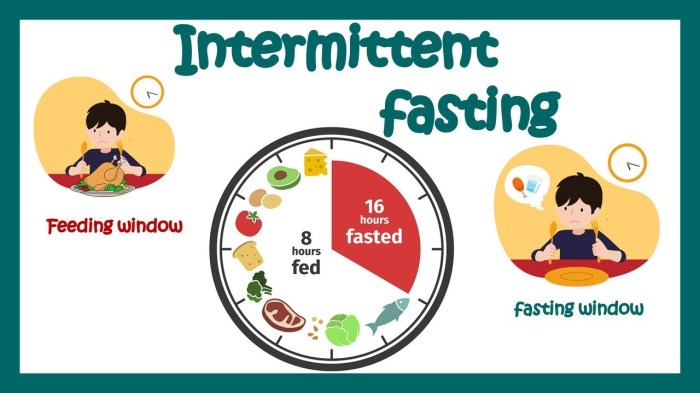
- Following a structured fasting schedule, such as the 16/8 method or alternate day fasting, can support hormone regulation and improve digestion over time.
- Combining intermittent fasting with a balanced diet rich in nutrients can further enhance the effects of hormonal balance on digestive health.
Metabolism and Digestive Wellness
- Hormone regulation through intermittent fasting can positively impact metabolism, leading to improved nutrient absorption and digestive functions.
- By allowing the body to enter a fasting state, individuals can give their digestive system a break and promote efficient digestion of food consumed during eating windows.
- Balanced hormones can also support the gut microbiome, contributing to overall gut health and reducing digestive issues.
Health Coaching
Health coaching plays a crucial role in supporting individuals who are practicing intermittent fasting for digestive health. These professionals offer guidance, motivation, and accountability to help individuals successfully incorporate fasting into their wellness plan.
Guidance and Accountability
Health coaches can provide personalized guidance on how to structure fasting periods, what to eat during eating windows, and how to listen to the body’s cues. They help individuals stay on track with their fasting schedule and make adjustments as needed to optimize digestive health.
Benefits of Working with a Health Coach
By working with a health coach, individuals can receive tailored advice on how to enhance the benefits of fasting for digestive health. Coaches can address specific concerns, track progress, and provide support throughout the fasting journey, leading to better overall well-being.
Personalized Approach
Health coaching offers a personalized approach to intermittent fasting, taking into account individual health goals, preferences, and lifestyle factors. Coaches can adapt fasting protocols to suit each person’s unique needs, ensuring that the practice is sustainable and effective for optimizing digestive health.
Fitness Goals
Intermittent fasting can be a valuable tool in achieving fitness goals while also supporting digestive health. By incorporating fasting practices into your routine, you can optimize your workouts and enhance your overall well-being.
Aligning Exercise with Fasting
Intermittent fasting can align with fitness goals by improving metabolic flexibility and fat utilization during workouts. Fasting periods can enhance the body’s ability to burn stored fat for energy, making it easier to achieve weight loss and muscle definition goals.
- Combine aerobic exercises like running or cycling with intermittent fasting to maximize fat burning and improve cardiovascular health.
- Strength training exercises, such as weightlifting, can be enhanced by fasting periods, promoting muscle growth and endurance.
- High-intensity interval training (HIIT) can be particularly effective when paired with intermittent fasting, as it can boost metabolism and fat loss.
By strategically timing your meals around your workout schedule during fasting periods, you can optimize performance and recovery.
Achieving Fitness Milestones
When following an intermittent fasting regimen, it is essential to set specific fitness milestones to track your progress effectively. Whether your goal is to lose weight, build muscle, or improve endurance, fasting can support these objectives by enhancing metabolic processes and promoting overall health.
- Monitor your calorie intake and macronutrient balance to ensure you are meeting your nutritional needs while fasting and working out.
- Stay hydrated and consume electrolytes to support your body during fasting periods and intense exercise sessions.
- Listen to your body’s signals and adjust your workout intensity and frequency based on how you feel during fasting cycles.
Remember that consistency is key when it comes to achieving fitness milestones while practicing intermittent fasting.
Physical Activity and Digestive Wellness
Physical activity plays a crucial role in supporting digestive wellness during fasting periods. Exercise can help stimulate digestion, improve nutrient absorption, and regulate bowel movements, contributing to overall gut health and function.
- Regular exercise can enhance metabolic rate and promote efficient digestion, especially when combined with intermittent fasting.
- Cardiovascular activities can improve blood circulation and oxygen delivery to the digestive system, aiding in nutrient absorption and waste elimination.
- Strength training exercises can support muscle tone in the abdominal area, potentially reducing bloating and promoting regular bowel movements.
By incorporating exercise routines that align with your fasting schedule, you can enhance the benefits of both practices for optimal fitness and digestive health.
Diet Planning
Intermittent fasting can greatly benefit digestive health, but combining it with a strategic diet plan can enhance its effects even further. Meal timing and nutrient intake play a crucial role in how our digestive system functions during fasting periods. By creating a balanced meal plan that complements the benefits of intermittent fasting, we can optimize gut health and overall well-being.
Importance of Nutrient Timing
Timing your meals properly can help regulate digestive processes and ensure that your body receives the necessary nutrients during feeding windows. This can support healthy gut function and improve overall digestion.
Creating a Balanced Meal Plan
- Include a variety of whole foods such as fruits, vegetables, whole grains, lean proteins, and healthy fats to ensure you are getting all essential nutrients.
- Avoid processed and sugary foods, as they can negatively impact gut health and digestion.
- Stay hydrated by drinking plenty of water throughout the day to support digestion and overall well-being.
- Consider consulting a nutritionist or dietitian to help create a personalized meal plan that aligns with your intermittent fasting routine.
Nutrition Optimization for Gut Health
Optimizing your nutrient intake during feeding windows can help enhance the effects of fasting on gut health. Focus on consuming foods rich in fiber, probiotics, and antioxidants to support a healthy digestive system.
Health Supplements
Intermittent fasting can significantly impact digestive health, and incorporating health supplements can further enhance these benefits. Supplements play a crucial role in supporting gut microbiota and digestion during fasting, offering targeted solutions to address specific concerns.
Role of Health Supplements in Digestive Health
- Probiotics: These supplements can help maintain a healthy balance of gut bacteria, supporting digestion and immune function.
- Digestive Enzymes: Enzyme supplements can aid in the breakdown of food, improving nutrient absorption and reducing digestive issues.
- Fiber Supplements: Fiber is essential for gut health and regular bowel movements, especially when fasting may limit fiber intake.
Incorporating Supplements Safely
- Consult a healthcare provider: Before adding any supplements to your fasting routine, seek guidance from a healthcare professional to ensure safety and effectiveness.
- Timing and dosage: Follow recommended dosages and consider the best timing to take supplements to maximize their benefits during fasting periods.
Targeted Supplementation for Digestive Concerns
- Addressing bloating: Supplements like peppermint oil or ginger can help alleviate bloating and improve digestion while fasting.
- Supporting gut lining: Glutamine supplements can aid in repairing and maintaining a healthy gut lining, crucial for overall digestive health.
Breathing Techniques
Breathing techniques play a crucial role in supporting digestive health, especially when combined with intermittent fasting. The way we breathe can impact our digestion and overall well-being during fasting periods.
Impact of Mindful Breathing
Mindful breathing can help relax the body and mind, which is beneficial during fasting as it can reduce stress and anxiety that may affect digestion. By focusing on deep, slow breaths, individuals can promote relaxation and support the digestive processes.
Incorporating Breathing Exercises
Incorporating breathing exercises into a wellness routine alongside fasting can enhance the benefits of both practices. Techniques like diaphragmatic breathing or belly breathing can help improve oxygen flow, reduce bloating, and aid in digestion efficiency.
Benefits of Deep Breathing
Deep breathing supports digestive processes by stimulating the parasympathetic nervous system, also known as the rest and digest response. This can lead to better nutrient absorption, reduced bloating, and improved overall gut health. Additionally, deep breathing promotes relaxation, which can positively impact mental clarity and focus during fasting periods.
Disease Prevention
Intermittent fasting plays a crucial role in disease prevention, particularly when it comes to digestive health. By incorporating fasting practices into your routine, you can significantly reduce the risk of chronic conditions associated with digestion and overall health.
Impact on Digestive Health
- Intermittent fasting allows the digestive system to rest and reset, promoting better digestion and nutrient absorption.
- It can help regulate blood sugar levels and reduce inflammation in the gut, lowering the risk of digestive disorders.
- Fasting also promotes the growth of beneficial gut bacteria, improving gut health and overall immunity.
- By giving your digestive system a break through fasting, you can prevent issues like bloating, indigestion, and other gastrointestinal problems.
Immune Function and Disease Prevention
- Intermittent fasting has been shown to enhance immune function by reducing inflammation and oxidative stress in the body.
- By improving immune response, fasting can help prevent various diseases, including autoimmune disorders and infections.
- It may also contribute to a lower risk of developing chronic conditions such as diabetes, heart disease, and certain cancers.
Preventive Strategies for Overall Health
- Implementing intermittent fasting as a regular practice can be a powerful preventive measure for maintaining overall health and wellness.
- Combine fasting with a balanced diet, regular exercise, and adequate hydration to maximize its disease prevention benefits.
- Consult with a healthcare provider or nutritionist to create a fasting plan that suits your individual needs and health goals.
- Stay consistent with your fasting routine to reap the long-term benefits of disease prevention and improved digestive health.
Pain Management
Intermittent fasting has shown promise in managing pain related to digestive issues. By incorporating fasting into a pain management strategy, individuals may experience relief from inflammation and discomfort associated with certain digestive conditions. This approach can be used complementarily with other pain management techniques to improve overall well-being and quality of life.
Benefits of Fasting for Pain Management
- Alleviation of Inflammation: Fasting has been linked to a reduction in inflammation, which is a common cause of pain in digestive disorders such as irritable bowel syndrome (IBS) or Crohn’s disease.
- Reduced Discomfort: By giving the digestive system a break through fasting, individuals may experience a decrease in discomfort and bloating often associated with digestive issues.
- Improved Pain Perception: Fasting can influence pain perception by altering the body’s response to pain signals, potentially reducing the intensity of discomfort experienced.
- Enhanced Digestive Wellness: Fasting promotes digestive health by allowing the gut to rest and repair, leading to improved functioning and decreased pain symptoms over time.
Holistic Treatments
Intermittent fasting has gained popularity for its various health benefits, including improved digestive health. When combined with holistic treatments, such as acupuncture and mindfulness practices, the benefits can be further enhanced.
Synergy with Intermittent Fasting
Holistic treatments can synergize with intermittent fasting by promoting overall well-being. Acupuncture, for example, can help regulate the digestive system and alleviate issues such as bloating or indigestion, complementing the effects of fasting. Mindfulness practices can also reduce stress levels, which in turn can positively impact digestion and gut health.
Integrative Approach to Wellness
The integrative approach to wellness combines holistic therapies with fasting practices to address the physical, mental, and emotional aspects of health. By incorporating treatments that focus on the body as a whole, individuals can experience comprehensive benefits that support digestive health and overall well-being.
Holistic Benefits of Complementary Therapies
Addressing physical, mental, and emotional well-being through fasting and complementary therapies can lead to holistic benefits. By nourishing the body, mind, and spirit, individuals can achieve a sense of balance and harmony that supports optimal digestive function. This integrated approach to health can enhance the effects of intermittent fasting and promote overall wellness.
Mental Resilience
Intermittent fasting not only benefits digestive health but also plays a crucial role in enhancing mental resilience. Fasting practices can have a positive impact on stress management and emotional well-being, leading to overall improved mental health.
Psychological Effects of Fasting
Intermittent fasting can help individuals build mental resilience by challenging their mindset and relationship with food. Fasting periods can promote discipline and self-control, which are essential for managing stress and improving emotional well-being.
Building Resilience Through Fasting
By incorporating mindfulness practices during fasting, individuals can enhance their mental resilience. Mindfulness helps in staying present, reducing anxiety, and fostering self-care habits that support overall well-being.
Role of Mindfulness and Self-Care
Practicing mindfulness and self-care techniques while fasting can create a positive impact on mental health. These practices can help individuals stay focused, reduce negative thoughts, and build resilience to cope with various stressors in life.
Outcome Summary
In conclusion, the benefits of intermittent fasting for digestive health extend far beyond the gut, impacting various aspects of wellness. Embrace this powerful tool to enhance your health journey and unlock a new level of vitality.
FAQ Compilation
Can intermittent fasting improve gut health?
Yes, intermittent fasting can enhance gut health by promoting beneficial changes in gut microbiota and supporting digestive processes.
How does intermittent fasting differ from traditional diets in improving digestive health?
Intermittent fasting offers unique benefits for digestive health by optimizing digestion through periods of fasting and feasting, unlike traditional continuous calorie restriction diets.
What are the mechanisms by which intermittent fasting supports digestive processes?
Intermittent fasting enhances digestive processes by improving gut microbiota, reducing inflammation, and promoting overall gut health.
Can herbal remedies complement the benefits of intermittent fasting for digestive health?
Yes, specific herbs can work synergistically with intermittent fasting to enhance digestive health and support overall well-being.
How can intermittent fasting impact skin health?
Intermittent fasting can improve skin health by promoting digestive improvements that reduce inflammation and support overall skin rejuvenation.


