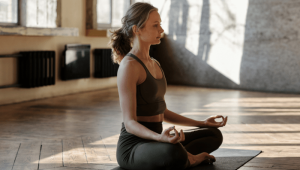
Holistic health coaching services encompass a wide range of strategies and practices aimed at improving overall well-being. From wellness programs to herbal remedies, this comprehensive approach focuses on enhancing every aspect of health and lifestyle. Dive into the world of holistic health coaching services and discover the transformative power they hold.
Wellness Programs
Wellness programs play a crucial role in enhancing the effectiveness of holistic health coaching services by providing a comprehensive approach to overall well-being. These programs focus on various aspects of health, including physical, mental, emotional, and spiritual wellness, to ensure a holistic approach to health and wellness.
Examples of Effective Wellness Programs
- Corporate Wellness Programs: These programs are designed to promote health and wellness in the workplace, offering services such as fitness classes, nutrition counseling, stress management workshops, and ergonomic assessments.
- Mindfulness and Meditation Programs: These programs focus on mental and emotional well-being through practices like mindfulness meditation, breathing exercises, and relaxation techniques to reduce stress and improve mental clarity.
- Weight Management Programs: These programs help individuals achieve and maintain a healthy weight through personalized meal plans, exercise routines, and behavioral therapy to support long-term lifestyle changes.
Benefits of Wellness Programs
Wellness programs can enhance overall well-being and lifestyle habits by promoting healthy behaviors, reducing stress, improving mental health, increasing energy levels, and boosting productivity. By integrating these programs into holistic health coaching services, individuals can experience a more balanced and fulfilling life, leading to improved health outcomes and quality of life.
Herbal Remedies
Herbal remedies play a significant role in holistic health coaching services as they focus on utilizing natural ingredients to promote overall well-being and address health concerns. These remedies are often used in conjunction with other holistic practices such as nutrition, exercise, and stress management to support the body’s natural healing processes.
Popular Herbal Remedies
- Turmeric:Known for its anti-inflammatory properties, turmeric is commonly used to reduce inflammation and support joint health.
- Echinacea:Often used to boost the immune system and help prevent colds and flu.
- Chamomile:Used to promote relaxation and reduce stress and anxiety.
- Ginger:Known for its digestive benefits, ginger can help alleviate nausea and support digestion.
- Ashwagandha:Used to reduce stress, anxiety, and improve overall energy levels.
Benefits and Risks
When incorporating herbal remedies into a holistic health plan, there are both benefits and potential risks to consider. Some benefits include:
- Natural Healing:Herbal remedies work with the body’s natural processes to promote healing.
- Minimal Side Effects:Compared to pharmaceutical drugs, herbal remedies often have fewer side effects.
- Personalized Approach:Herbal remedies can be tailored to individual needs and health goals.
However, it’s essential to be aware of potential risks such as:
- Interactions:Herbal remedies may interact with medications, causing adverse effects.
- Quality Concerns:Ensuring the quality and purity of herbal products is crucial for safety and effectiveness.
- Allergic Reactions:Some individuals may be allergic to certain herbs, leading to unwanted side effects.
Skin Health
Skin health is an integral part of overall well-being, reflecting the body’s internal balance and external exposure. A holistic approach to skin health considers not only topical treatments but also internal factors like diet, lifestyle, stress levels, and environmental influences.
Holistic Approaches to Improving Skin Health
- Focus on a nutrient-rich diet high in antioxidants, vitamins, and minerals to support skin regeneration and repair.
- Stay hydrated by drinking plenty of water to flush out toxins and maintain skin elasticity.
- Incorporate stress-relieving practices like meditation, yoga, or deep breathing exercises to reduce cortisol levels that can impact skin health.
- Avoid harsh chemicals in skincare products and opt for natural, non-toxic alternatives to minimize skin irritations and inflammation.
Impact of Stress and Environmental Factors on Skin Health
Stress and environmental factors play a significant role in skin health, as they can trigger inflammation, breakouts, premature aging, and other skin issues. High levels of stress hormone cortisol can disrupt the skin’s natural barrier function, leading to sensitivity and dehydration.
Environmental pollutants, UV radiation, and poor air quality can also contribute to skin damage and accelerate aging. Holistic health coaching aims to address these factors by promoting stress management techniques, advocating for clean living practices, and offering personalized strategies to support skin health from the inside out.
Bone Density
Maintaining healthy bone density is crucial for overall health and well-being. Holistic health coaching services can play a vital role in supporting and improving bone density through a combination of nutrition, exercise, and lifestyle modifications.
Role of Nutrition
Proper nutrition is essential for maintaining strong and healthy bones. A diet rich in calcium, vitamin D, magnesium, and other essential nutrients can help support bone health. Incorporating foods like dairy products, leafy greens, nuts, and seeds can provide the necessary nutrients for optimal bone density.
Role of Exercise
Regular physical activity, especially weight-bearing exercises like walking, running, and strength training, can help improve bone density. Exercise helps stimulate bone growth and strengthen bones, reducing the risk of fractures and osteoporosis. Including a variety of exercises in your routine can have a positive impact on bone health.
Role of Lifestyle Modifications
Certain lifestyle habits can either support or hinder bone health. Avoiding smoking and excessive alcohol consumption can help prevent bone loss. Getting an adequate amount of sleep and managing stress levels are also important factors in maintaining healthy bones. Incorporating activities like yoga and meditation can promote relaxation and reduce cortisol levels, which can impact bone density.
Tips for Enhancing Bone Density, Holistic health coaching services
- Aim to get enough calcium and vitamin D through diet or supplements.
- Engage in weight-bearing exercises at least 3-4 times a week.
- Avoid smoking and limit alcohol intake to promote bone health.
- Manage stress through relaxation techniques like meditation or deep breathing exercises.
- Get regular bone density screenings to monitor progress and detect any issues early on.
Muscle Mass
Maintaining and building muscle mass is crucial for overall health and wellness. Not only does it support metabolism and aid in weight management, but it also plays a significant role in promoting strength, balance, and mobility as we age. Holistic health coaching can be instrumental in helping individuals achieve their muscle mass goals through a combination of targeted exercises, proper nutrition, and lifestyle modifications.
Exercise
Regular physical activity that includes strength training is essential for building muscle mass. Incorporating exercises like weight lifting, resistance bands, and bodyweight exercises can help stimulate muscle growth and improve overall strength.
Diet
Proper nutrition is key to supporting muscle development. Consuming an adequate amount of protein, along with healthy fats and carbohydrates, can provide the necessary nutrients for muscle repair and growth. Including foods like lean meats, fish, nuts, seeds, and legumes can help support muscle mass goals.
Lifestyle Changes
Getting enough rest and sleep is crucial for muscle recovery and growth. Managing stress levels through relaxation techniques like meditation or yoga can also support muscle health. Additionally, staying hydrated and avoiding excessive alcohol consumption can aid in maintaining muscle mass.
Dental Care
When it comes to holistic health coaching services, dental care plays a crucial role in overall well-being. Oral health is often linked to various health issues, making it essential to address as part of a holistic approach to wellness.
Holistic Approaches to Oral Health and Hygiene
Holistic approaches to oral health focus on treating the underlying causes of dental problems rather than just the symptoms. This includes considering the impact of diet, stress, and lifestyle on oral health.
- Incorporating nutrient-rich foods like leafy greens, fruits, and nuts can support healthy teeth and gums.
- Practicing stress-reducing techniques such as meditation or yoga can help prevent teeth grinding and jaw clenching.
- Using natural oral care products free from harmful chemicals can promote a healthier mouth microbiome.
Tips for Maintaining Optimal Dental Health Through Holistic Practices
Optimal dental health can be achieved through simple holistic practices that support overall well-being.
- Practice mindful eating to chew food thoroughly and aid digestion, which can benefit oral health.
- Stay hydrated by drinking plenty of water throughout the day to support saliva production and oral hygiene.
- Regularly brush and floss using natural products to maintain clean teeth and gums without harsh chemicals.
Eye Health
Maintaining good eye health is a crucial aspect of overall well-being that is often overlooked. Holistic health coaching can play a significant role in promoting and supporting eye health by addressing lifestyle factors that can impact vision and offering natural remedies and practices to improve eye health.
Lifestyle Factors Impacting Eye Health
- Regular Screen Time: Prolonged exposure to digital screens can strain the eyes and lead to issues like digital eye strain. Encouraging breaks and implementing the 20-20-20 rule (every 20 minutes, look at something 20 feet away for at least 20 seconds) can help reduce eye strain.
- Nutrition: A diet rich in antioxidants, omega-3 fatty acids, and vitamins A, C, and E can support eye health. Including foods like leafy greens, fish, nuts, and citrus fruits can provide essential nutrients for optimal vision.
- Sleep: Inadequate sleep can negatively impact eye health and contribute to eye fatigue. Promoting healthy sleep habits and ensuring proper rest can help maintain good eye health.
Promoting Eye Health Holistically
- Eye Exercises: Practicing eye exercises like palming, blinking, and focusing can help strengthen eye muscles and improve vision.
- Adequate Hydration: Staying hydrated is essential for maintaining eye moisture and reducing dry eye symptoms. Drinking enough water throughout the day can benefit overall eye health.
- Sun Protection: UV exposure can harm the eyes and increase the risk of eye conditions. Wearing sunglasses with UV protection and hats when outdoors can help protect the eyes from harmful rays.
Mental Clarity
Achieving mental clarity is essential for overall well-being and productivity. Holistic health coaching services play a crucial role in improving mental clarity by addressing various aspects of a person’s lifestyle and mindset.
Mindfulness and Stress Management
- Practicing mindfulness techniques such as meditation and deep breathing exercises can help calm the mind, reduce stress, and enhance mental focus.
- Stress management strategies like time management, setting boundaries, and engaging in relaxing activities can prevent overwhelm and improve cognitive function.
Cognitive Exercises
- Engaging in cognitive exercises like puzzles, brain games, and reading can stimulate the brain, enhance memory, and boost mental clarity.
- Regular mental challenges and learning new skills can promote neuroplasticity, leading to improved cognitive function and mental sharpness.
Joint Flexibility
Joint flexibility plays a crucial role in holistic health as it allows for smooth movement, reduces the risk of injuries, and promotes overall well-being. By focusing on improving joint flexibility, individuals can enhance their physical performance, reduce pain, and support their body’s natural alignment.
Exercises and Stretches
Regular physical activity that includes stretching exercises can help improve joint flexibility. Incorporating activities like yoga, Pilates, and tai chi can specifically target joint mobility and flexibility. Additionally, performing dynamic stretches before exercise and static stretches after can loosen up tight muscles and improve range of motion.
Lifestyle Modifications
Maintaining a healthy weight through proper nutrition and regular exercise can alleviate pressure on the joints, promoting flexibility. Avoiding prolonged periods of inactivity and maintaining good posture throughout the day can also support joint health. Adequate hydration and sufficient rest are essential for joint lubrication and repair.
Holistic Practices
Holistic practices such as acupuncture, massage therapy, and chiropractic care can help improve joint flexibility by addressing underlying issues like inflammation and muscle tension. Incorporating anti-inflammatory foods like turmeric, ginger, and omega-3 fatty acids into the diet can also support joint health.
Mind-body techniques like meditation and deep breathing can reduce stress and tension, which can impact joint flexibility positively.
Digestive Health
Having good digestive health is crucial for overall well-being as it directly impacts nutrient absorption, immune function, and even mental health.
Importance of Digestive Health
Optimal digestive health ensures that the body can effectively break down food, absorb essential nutrients, and eliminate waste properly. It also plays a key role in supporting a strong immune system and maintaining a healthy balance of gut bacteria.
Holistic Approach to Digestive Health
- Dietary Recommendations:Focus on whole, nutrient-dense foods such as fruits, vegetables, whole grains, and lean proteins. Incorporate probiotic-rich foods like yogurt, kefir, and sauerkraut to promote gut health.
- Supplements:Consider adding digestive enzymes, probiotics, and fiber supplements to support digestion and gut function.
- Lifestyle Changes:Practice mindful eating, chew food thoroughly, manage stress levels, stay hydrated, and engage in regular physical activity to support digestive health.
Detox Process
Detoxification is a crucial aspect of holistic health coaching services, focusing on eliminating toxins from the body to promote overall well-being. This process involves various methods such as diet modifications, exercise routines, and other holistic approaches to cleanse the body and enhance its natural detoxification mechanisms.
Different Methods of Detoxing
- Dietary Changes:Adopting a diet rich in fruits, vegetables, whole grains, and lean proteins can support the body’s detox process by providing essential nutrients and antioxidants.
- Exercise:Regular physical activity helps to stimulate blood circulation, lymphatic flow, and sweat production, aiding in the elimination of toxins through the skin and other channels.
- Hydration:Drinking an adequate amount of water helps to flush out toxins from the body and maintain proper organ function.
- Holistic Therapies:Practices like acupuncture, massage, and infrared sauna sessions can support detoxification by promoting relaxation and enhancing circulation.
Benefits and Risks of Detox Processes
- Benefits:Detoxifying the body can lead to increased energy levels, improved digestion, clearer skin, weight loss, and strengthened immune function.
- Risks:Some detox methods may not be suitable for everyone and could potentially cause nutrient deficiencies, dehydration, or other adverse effects if not done properly. It’s essential to consult with a healthcare provider or holistic health coach before embarking on a detox program.
Blood Pressure
Managing blood pressure is crucial in holistic health coaching as it plays a significant role in overall well-being. High blood pressure, or hypertension, can lead to serious health issues such as heart disease, stroke, and kidney problems. It is essential to maintain healthy blood pressure levels through lifestyle modifications and holistic practices.
Lifestyle Modifications for Regulating Blood Pressure
- Follow a balanced diet rich in fruits, vegetables, whole grains, and lean proteins. Reduce sodium intake and limit processed foods and sugary beverages.
- Engage in regular physical activity such as walking, jogging, swimming, or yoga to help lower blood pressure and improve cardiovascular health.
- Manage stress through relaxation techniques like deep breathing, meditation, and mindfulness practices to reduce cortisol levels and promote blood pressure regulation.
Monitoring and Maintaining Healthy Blood Pressure Levels
- Monitor blood pressure regularly at home using a reliable blood pressure monitor and keep track of readings to identify any fluctuations.
- Aim for a healthy weight through a combination of balanced diet and exercise to reduce the risk of high blood pressure.
- Incorporate herbs and supplements like garlic, hibiscus, and omega-3 fatty acids into your diet to support cardiovascular health and blood pressure regulation.
Heart Rate
Heart rate monitoring plays a crucial role in holistic health coaching services as it provides valuable insights into an individual’s cardiovascular health and overall well-being. By tracking heart rate, health coaches can assess the effectiveness of wellness programs, identify potential issues, and tailor personalized plans to optimize heart health.
Heart Rate Variability
Heart rate variability (HRV) refers to the variation in time intervals between consecutive heartbeats. It is an essential indicator of the body’s ability to adapt to stress and maintain balance. High HRV is associated with better overall health, resilience to stress, and improved cognitive function.
On the other hand, low HRV may indicate increased stress levels, fatigue, and potential health risks.
- HRV biofeedback techniques, such as deep breathing exercises and meditation, can help improve HRV and reduce stress levels.
- Regular physical activity, proper nutrition, and adequate sleep are key factors in enhancing HRV and promoting heart health.
- Practicing mindfulness and stress-reducing activities can positively impact HRV and overall well-being.
Health Screenings
Regular health screenings play a crucial role in holistic health coaching by helping individuals proactively manage their health and prevent potential issues before they arise. These screenings involve various tests and assessments that can detect early signs of diseases or imbalances in the body, allowing for timely intervention and treatment.
Importance of Regular Screenings
Health screenings are essential for preventive health measures as they enable early detection of potential health issues, leading to better outcomes and quality of life. By identifying risks early on, individuals can make informed decisions about their health and lifestyle choices, ultimately reducing the likelihood of developing serious health conditions.
- Regular blood tests can help monitor cholesterol levels, blood sugar, and overall organ function, providing valuable insights into one’s health status.
- Screenings for cancer, such as mammograms for breast cancer or colonoscopies for colorectal cancer, can detect tumors in their early stages when treatment is most effective.
- Regular eye exams can help detect vision problems, eye diseases, and even underlying health conditions like diabetes or hypertension.
- Bone density scans are crucial for assessing bone health and detecting osteoporosis, a condition that can lead to fractures and mobility issues.
Vaccination Programs
Vaccination programs play a crucial role in holistic health and disease prevention by boosting the immune system’s ability to fight off infections and diseases. Through the administration of vaccines, individuals can develop immunity to specific illnesses, reducing the risk of contracting and spreading these diseases.
Importance of Vaccinations
- Vaccinations are essential for overall well-being as they protect individuals from serious and potentially life-threatening diseases.
- By getting vaccinated, individuals not only safeguard their health but also contribute to community health by preventing the spread of infectious diseases.
- Immunization through vaccination programs is a cost-effective way to prevent illnesses and reduce the burden on healthcare systems.
Integration into Holistic Health Coaching
- Holistic health coaching services can include education on the importance of vaccinations in maintaining overall health and well-being.
- Coaches can work with individuals to address any concerns or misconceptions about vaccines and help them make informed decisions regarding immunization.
- Integrating vaccination programs into holistic health coaching can promote a comprehensive approach to disease prevention and wellness, emphasizing the role of vaccines in supporting the body’s natural defenses.
Healthy Habits
Cultivating healthy habits is essential for achieving holistic well-being. These habits not only impact our physical health but also play a crucial role in our mental, emotional, and spiritual wellness.
Significance of Healthy Habits
- Healthy habits contribute to overall health and wellness by promoting longevity and reducing the risk of chronic diseases.
- They help in maintaining a balanced lifestyle, leading to increased energy levels and improved mood.
- Healthy habits support the body’s natural detoxification processes, aiding in the elimination of toxins and promoting optimal organ function.
Impact of Lifestyle Choices
- Our lifestyle choices, including diet, exercise, sleep patterns, and stress management, directly influence our health outcomes.
- Poor lifestyle choices can lead to weight gain, fatigue, and compromised immune function, impacting overall well-being.
- Adopting healthy habits can help in preventing lifestyle-related diseases such as obesity, diabetes, and cardiovascular issues.
Tips for Creating Healthy Habits
- Start small and gradually incorporate healthy practices into your daily routine to make them sustainable.
- Set specific and achievable goals to track your progress and stay motivated on your wellness journey.
- Practice mindfulness and self-care to reduce stress levels and improve mental clarity, aiding in the formation of healthy habits.
Balanced Hormones
Balanced hormones play a crucial role in holistic health coaching services as they are essential for overall well-being and health. Hormones act as chemical messengers in the body, regulating various processes such as metabolism, growth, mood, and reproductive functions. When hormones are imbalanced, it can lead to a variety of health issues and impact quality of life.
Strategies for Promoting Hormonal Balance
- Follow a balanced diet rich in whole foods, fruits, vegetables, and healthy fats to support hormone production and regulation.
- Engage in regular exercise to help manage stress levels and promote hormonal balance.
- Get an adequate amount of quality sleep each night to allow the body to repair and regulate hormone levels.
- Practice stress-reducing techniques such as meditation, yoga, or deep breathing exercises to support hormone balance.
- Avoid exposure to endocrine-disrupting chemicals found in certain plastics, pesticides, and personal care products.
Health Coaching
Health coaching plays a crucial role in promoting holistic wellness by providing personalized support and guidance to individuals on their journey to better health. Health coaches work with clients to identify their unique health goals, create actionable plans, and provide ongoing motivation and accountability.
Benefits of Working with a Health Coach
- Personalized support tailored to individual needs and goals
- Guidance on making sustainable lifestyle changes
- Accountability to stay on track and achieve desired outcomes
- Education on holistic health practices and strategies
Health Coaching Strategies and Techniques
- Goal setting: Collaboratively establish achievable health goals
- Motivational interviewing: Encourage behavior change through positive reinforcement
- Behavioral tracking: Monitor progress and adjust strategies as needed
- Empowerment: Foster self-efficacy and confidence in making healthy choices
Fitness Goals
Setting and achieving fitness goals is an essential aspect of holistic health coaching. By incorporating fitness goals into a wellness plan, individuals can work towards improving their overall well-being and quality of life. Aligning fitness goals with other health objectives can lead to a more balanced and sustainable approach to personal health.
Developing a Holistic Fitness Plan
When developing a holistic fitness plan, it is important to consider individual needs and goals. Here are some tips for creating a personalized fitness plan:
- Assess Current Fitness Level: Start by evaluating your current fitness level to determine where you are starting from.
- Set Specific, Measurable Goals: Define clear and achievable fitness goals that are specific and measurable.
- Incorporate Variety: Include a mix of cardiovascular exercise, strength training, flexibility work, and mind-body practices for a well-rounded approach.
- Consider Lifestyle Factors: Take into account your daily routine, stress levels, sleep patterns, and nutritional habits when planning your fitness routine.
- Track Progress: Keep track of your progress towards your fitness goals to stay motivated and make adjustments as needed.
Diet Planning: Holistic Health Coaching Services
Diet planning plays a crucial role in holistic health coaching services as it focuses on providing individuals with the necessary nutrients to support overall health and well-being. By tailoring a personalized and balanced diet plan, holistic health coaches can help clients achieve their wellness goals and address specific health concerns through nutrition.
Significance of Nutrition in Overall Health
Nutrition is the foundation of good health and well-being, as the food we consume directly impacts our physical, mental, and emotional health. A well-balanced diet rich in essential nutrients, vitamins, and minerals is essential for supporting bodily functions, boosting immunity, maintaining energy levels, and preventing various diseases.
Therefore, incorporating a holistic approach to diet planning ensures that individuals receive the right nutrients to nourish their bodies and promote optimal health.
Tips for Creating a Personalized Diet Plan
- Assess Individual Needs: Conduct a thorough assessment of an individual’s health status, dietary habits, lifestyle, and wellness goals to create a customized diet plan.
- Focus on Whole Foods: Emphasize the consumption of whole, nutrient-dense foods such as fruits, vegetables, whole grains, lean proteins, and healthy fats to provide essential nutrients and promote overall well-being.
- Consider Food Sensitivities: Take into account any food sensitivities or allergies that may affect an individual’s health and well-being, and tailor the diet plan accordingly to avoid triggering adverse reactions.
- Stay Hydrated: Encourage adequate hydration by drinking plenty of water throughout the day to support digestion, metabolism, and overall health.
- Monitor Progress: Regularly review and adjust the diet plan based on progress, feedback, and changes in health status to ensure continued success in achieving wellness goals.
Health Supplements
In holistic health coaching, health supplements play a vital role in supporting overall wellness and addressing specific health concerns. These supplements are used to complement a balanced diet and lifestyle, helping individuals achieve optimal health and well-being.
Benefits of Health Supplements in Holistic Wellness
Health supplements provide essential nutrients that may be lacking in one’s diet, support specific health goals, boost immune function, improve energy levels, and aid in the body’s natural healing processes.
- Enhance Nutrient Intake: Supplements can fill nutritional gaps and ensure the body receives all the necessary vitamins and minerals for optimal function.
- Support Specific Health Goals: Certain supplements target specific health concerns such as joint health, cognitive function, or heart health.
- Boost Immune Function: Supplements like Vitamin C, Zinc, and probiotics can strengthen the immune system and help the body fight off infections.
- Improve Energy Levels: B vitamins, iron, and adaptogenic herbs can support energy production and combat fatigue.
- Aid in Healing: Supplements like collagen, omega-3 fatty acids, and antioxidants can aid in tissue repair and reduce inflammation in the body.
Commonly Recommended Health Supplements in Holistic Health
When incorporating supplements into a holistic wellness plan, some commonly recommended options include:
- Probiotics:Support gut health and digestion.
- Omega-3 Fish Oil:Reduce inflammation and support heart health.
- Vitamin D:Essential for bone health and immune function.
- Magnesium:Support muscle function, relaxation, and stress management.
- Turmeric:Anti-inflammatory and antioxidant properties for overall health.
Breathing Techniques
Breathing techniques play a crucial role in holistic health practices as they have a profound impact on our overall well-being. Proper breathing not only helps in managing stress but also promotes relaxation and vitality.
Different Breathing Exercises
- Diaphragmatic Breathing: This technique involves breathing deeply into your belly, allowing your diaphragm to expand fully. It helps in reducing stress and promoting relaxation.
- Equal Breathing: In this exercise, you inhale and exhale for the same count, creating a sense of balance and calmness in the body.
- Box Breathing: Also known as square breathing, this technique involves inhaling, holding the breath, exhaling, and holding again for equal counts. It helps in increasing focus and reducing anxiety.
- Alternate Nostril Breathing: This practice involves breathing through one nostril at a time, helping to balance the right and left hemispheres of the brain and promoting overall well-being.
Disease Prevention
Preventing diseases is a crucial aspect of holistic health coaching services as it focuses on maintaining overall well-being and quality of life. By addressing potential health risks and implementing proactive measures, individuals can reduce the likelihood of developing chronic illnesses.
Role of Disease Prevention in Holistic Health Coaching
One of the primary roles of disease prevention in holistic health coaching is to empower individuals to take charge of their health through education, awareness, and lifestyle modifications. By identifying risk factors and implementing strategies to mitigate them, individuals can proactively manage their health and reduce the incidence of diseases.
- Encouraging regular health screenings and check-ups to detect early warning signs of diseases.
- Promoting healthy habits such as regular exercise, balanced diet, and adequate sleep to strengthen the immune system and overall health.
- Emphasizing the importance of stress management techniques to reduce the impact of stress on physical and mental health.
- Advocating for vaccination programs to prevent the spread of infectious diseases and protect individuals from potential health risks.
Importance of Proactive Measures for Preventing Chronic Illnesses
Proactive measures for preventing chronic illnesses are essential in maintaining long-term health and well-being. By addressing risk factors and adopting healthy lifestyle practices, individuals can significantly reduce their chances of developing debilitating conditions and enhance their quality of life.
- Implementing personalized wellness programs tailored to individual health needs and goals.
- Educating individuals on the importance of balanced hormones and how they influence overall health and disease prevention.
- Promoting regular physical activity and exercise routines to improve cardiovascular health and reduce the risk of chronic diseases.
- Encouraging the adoption of a nutrient-rich diet to support optimal health and prevent nutritional deficiencies.
Strategies and Practices for Disease Prevention through a Holistic Approach
A holistic approach to disease prevention involves addressing the interconnected aspects of physical, mental, and emotional health to achieve overall well-being. By integrating various strategies and practices, individuals can enhance their resilience against diseases and promote longevity.
- Utilizing herbal remedies and natural supplements to support the body’s immune system and promote healing.
- Incorporating mindfulness techniques and relaxation practices to reduce stress levels and improve mental clarity.
- Engaging in regular health screenings and preventive care to monitor health status and detect potential issues early on.
- Emphasizing the importance of maintaining a healthy weight and body composition to reduce the risk of obesity-related diseases.
Pain Management
Holistic health coaching services also focus on pain management, offering non-pharmacological methods to address pain in a comprehensive way. By incorporating holistic practices, individuals can learn techniques to manage and reduce pain effectively.
Holistic Approaches to Pain Management
- Acupuncture: This traditional Chinese medicine practice involves the insertion of thin needles into specific points on the body to help alleviate pain and promote healing.
- Massage Therapy: Massage can help relax muscles, improve circulation, and reduce tension, which can all contribute to pain relief.
- Yoga and Meditation: These practices can help individuals manage stress, improve flexibility, and promote relaxation, which can all aid in reducing pain levels.
- Diet and Nutrition: Eating a balanced diet rich in anti-inflammatory foods can help reduce inflammation in the body, which is often a source of pain.
Non-Pharmacological Methods for Pain Management
- Physical Therapy: Engaging in targeted exercises and stretches can help improve mobility, strengthen muscles, and alleviate pain.
- Heat and Cold Therapy: Applying heat or cold packs to the affected area can help reduce pain and inflammation.
- Aromatherapy: Using essential oils in diffusers or topically can provide pain relief and promote relaxation.
Tips and Techniques for Managing Pain Holistically
- Practice deep breathing exercises to help relax the body and mind, reducing pain perception.
- Stay hydrated and maintain proper posture to prevent exacerbating pain symptoms.
- Engage in regular physical activity to strengthen muscles and improve overall well-being, which can help manage chronic pain.
Holistic Treatments
Holistic treatments focus on treating the whole person, including their physical, mental, emotional, and spiritual well-being. These treatments aim to restore balance and promote overall health and wellness.
Types of Holistic Treatments
- Acupuncture: Involves inserting thin needles into specific points on the body to help alleviate pain and promote healing.
- Massage Therapy: Utilizes manual techniques to manipulate muscles and soft tissues, reducing stress, tension, and promoting relaxation.
- Energy Healing: Practices like Reiki or Qi Gong work with the body’s energy systems to promote balance and healing.
Integrating Holistic Treatments into Wellness Plans
When integrating holistic treatments into a comprehensive health and wellness plan, it is important to consider the individual’s unique needs and goals. By combining holistic treatments with traditional medical care, individuals can experience a more well-rounded approach to their health.
These treatments can help address underlying issues, reduce symptoms, and improve overall quality of life.
Mental Resilience
Mental resilience plays a crucial role in holistic health coaching as it involves the ability to navigate through life’s challenges with a positive mindset and emotional stability. It is essential for overall well-being and contributes to better stress management, emotional balance, and mental toughness.
Importance of Mental Resilience
Building mental resilience is key to successfully overcoming obstacles and setbacks, allowing individuals to adapt to change, manage stress effectively, and maintain a healthy mindset. It enables individuals to bounce back from adversity, enhance problem-solving skills, and improve overall emotional well-being.
Strategies for Building Mental Resilience
- Practice mindfulness and relaxation techniques such as meditation and deep breathing exercises to reduce stress levels.
- Cultivate a positive outlook by focusing on gratitude, optimism, and self-compassion.
- Develop strong social connections and seek support from friends, family, or a professional counselor.
- Set realistic goals, prioritize tasks, and break them down into manageable steps to avoid feeling overwhelmed.
- Engage in regular physical activity, eat a balanced diet, and ensure an adequate amount of sleep to support mental well-being.
Techniques for Enhancing Mental Toughness
“Resilience is very different than being numb. Resilience means you experience, you feel, you fail, you hurt. You fall. But, you keep going.”
Yasmin Mogahed
- Practice self-compassion and avoid negative self-talk by challenging irrational beliefs and replacing them with positive affirmations.
- Learn from past experiences and failures, viewing them as opportunities for growth and personal development.
- Engage in activities that promote mental stimulation, such as puzzles, reading, or learning a new skill to keep the mind sharp.
- Seek professional help if needed, such as therapy or counseling, to address underlying mental health issues and develop coping strategies.
- Cultivate a sense of purpose and meaning in life, focusing on values and goals that align with personal beliefs and aspirations.
Last Recap
In conclusion, Holistic health coaching services offer a holistic approach to well-being by addressing various aspects of health through personalized strategies and techniques. By integrating these practices into your lifestyle, you can embark on a journey towards optimal health and vitality.
User Queries
How can wellness programs enhance holistic health coaching services?
Wellness programs provide additional support and resources to address various health concerns, complementing the holistic approach of health coaching services.
What are the risks associated with incorporating herbal remedies into a holistic health plan?
While herbal remedies offer many benefits, there is a potential risk of interactions with medications or allergies. It’s essential to consult with a healthcare provider before integrating them into your plan.
How does stress impact skin health in the context of holistic health coaching?
Stress can lead to skin issues like acne or eczema. Holistic health coaching aims to address the root causes of stress through lifestyle changes and relaxation techniques to promote healthier skin.
What are some examples of exercises that can support muscle mass development in holistic health coaching?
Strength training exercises like weightlifting and resistance training are effective in building and maintaining muscle mass. These activities are often incorporated into holistic fitness plans.
How can holistic health coaching address digestive issues and promote gut health?
Through dietary recommendations, supplements, and lifestyle changes, holistic health coaching can help improve digestion, balance gut flora, and alleviate digestive discomfort.