Kicking off with Role of sleep in disease prevention, this opening paragraph is designed to captivate and engage the readers, setting the tone with a casual formal language style that unfolds with each word. When it comes to staying healthy and preventing diseases, one factor plays a crucial role – sleep.
The impact of sleep on our overall well-being cannot be overstated, affecting everything from our immune system to mental clarity. Let’s delve into the importance of quality sleep in disease prevention.
Importance of Sleep in Disease Prevention
Sleep plays a crucial role in maintaining overall health and well-being. It is during sleep that the body carries out essential processes to repair tissues, consolidate memories, and regulate hormones. Lack of adequate sleep can have detrimental effects on various aspects of health, including disease prevention.
Impact of Poor Sleep on Disease
Poor sleep has been linked to an increased risk of various diseases, including heart disease, diabetes, obesity, and even certain types of cancer. Chronic sleep deprivation can disrupt the body’s natural processes, leading to inflammation, insulin resistance, and other factors that contribute to the development of these conditions.
Role of Sleep in Boosting the Immune System
Sleep is essential for a healthy immune system. During sleep, the body produces cytokines, a type of protein that helps the immune system fight off infections and inflammation. Lack of sleep can weaken the immune response, making individuals more susceptible to illnesses like the common cold, flu, and other infections.
Ways to Improve Sleep for Disease Prevention
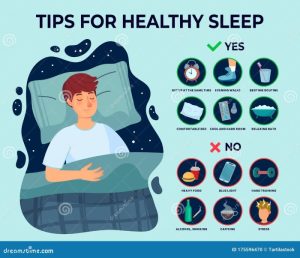
- Maintain a consistent sleep schedule by going to bed and waking up at the same time every day.
- Create a relaxing bedtime routine to signal to your body that it’s time to wind down.
- Ensure your sleep environment is conducive to rest, with a comfortable mattress, pillows, and a cool, dark room.
- Limit exposure to screens and stimulating activities before bedtime to promote better sleep quality.
- Avoid caffeine, nicotine, and heavy meals close to bedtime to prevent disruptions in your sleep cycle.
Wellness Programs and Sleep
Wellness programs play a crucial role in promoting good sleep habits among individuals. By focusing on overall well-being and addressing factors that can impact sleep quality, these programs aim to improve the quantity and quality of sleep for better health outcomes.One of the key connections between wellness programs and disease prevention is through the promotion of adequate sleep.
Sleep is essential for the body to repair, restore, and rejuvenate itself, playing a critical role in the immune system’s function. By incorporating strategies to enhance sleep quality, wellness programs can help reduce the risk of various health conditions, including cardiovascular diseases, diabetes, and obesity.
Examples of Wellness Programs for Improving Sleep Quality
- 1. Sleep Hygiene Workshops: Wellness programs often offer workshops that focus on educating individuals about the importance of good sleep hygiene practices. This includes creating a relaxing bedtime routine, maintaining a comfortable sleep environment, and avoiding stimulants before bedtime.
- 2. Stress Management Techniques: Stress can significantly impact sleep quality. Wellness programs may include stress management techniques such as mindfulness meditation, yoga, or relaxation exercises to help individuals unwind and prepare for a restful night’s sleep.
- 3. Sleep Tracking Tools: Some wellness programs provide tools and resources to help individuals track their sleep patterns. By monitoring their sleep duration and quality, individuals can identify areas for improvement and work towards establishing healthier sleep habits.
Herbal Remedies for Better Sleep
When it comes to improving sleep quality, many people turn to herbal remedies as a natural alternative to traditional sleep aids. These remedies have been used for centuries in various cultures and are believed to promote relaxation and improve overall sleep patterns.
Valerian Root
Valerian root is a popular herb known for its sedative properties. It is often used to treat insomnia and promote a sense of calmness before bedtime. Studies have shown that valerian root may help improve sleep quality and reduce the time it takes to fall asleep.
Chamomile
Chamomile is another well-known herb that is often consumed in tea form to promote relaxation and improve sleep. It contains apigenin, an antioxidant that binds to certain receptors in the brain that may help initiate sleep. Chamomile tea is a popular bedtime ritual for many people looking to unwind and prepare for a restful night’s sleep.
Lavender
Lavender is a fragrant herb that is commonly used in aromatherapy to promote relaxation and reduce stress. The scent of lavender has been shown to have a calming effect on the nervous system, making it an excellent choice for those struggling with insomnia or restless sleep.
Some studies suggest that using lavender essential oil before bedtime can lead to improved sleep quality and overall well-being.
Skin Health and Sleep: Role Of Sleep In Disease Prevention
Sleep plays a crucial role in maintaining healthy skin. Lack of quality sleep can lead to various skin issues, affecting its overall health and appearance. Let’s delve into how sleep impacts skin health and ways to improve it through better sleep habits.
Importance of Sleep in Skin Regeneration and Repair
Quality sleep is essential for skin regeneration and repair. During deep sleep stages, the body produces collagen, a protein that helps in maintaining skin elasticity and firmness. Lack of sleep can lead to decreased collagen production, resulting in premature aging signs like wrinkles and fine lines.
- Ensure you get at least 7-9 hours of quality sleep every night to promote skin regeneration.
- Establish a bedtime routine to signal your body that it’s time to rest and repair.
- Avoid screens and stimulating activities before bed to improve sleep quality.
- Invest in a comfortable mattress and pillows to enhance your sleep experience.
Tips on Improving Skin Health Through Quality Sleep
Apart from skin regeneration, quality sleep also helps in reducing inflammation and promoting a healthy glow. Lack of sleep can trigger inflammatory responses in the body, leading to skin conditions like acne and eczema.
- Stay hydrated throughout the day to keep your skin supple and hydrated.
- Follow a consistent skincare routine, including cleansing and moisturizing before bedtime.
- Avoid consuming caffeine and heavy meals close to bedtime to ensure a restful sleep.
- Practice relaxation techniques like deep breathing or meditation to calm your mind before sleep.
Bone Density and Sleep
Sleep plays a crucial role in maintaining overall health, and this includes the health of our bones. The relationship between sleep and bone density is an important one to consider when looking at ways to optimize bone health and strength.
Impact of Sleep on Bone Health
Sleep is essential for the body to repair and regenerate tissues, including bones. During deep sleep stages, the body releases growth hormone, which is crucial for bone growth and remodeling. Lack of quality sleep can disrupt this process, leading to decreased bone density and increased risk of fractures.
Moreover, sleep deprivation can interfere with the balance of hormones that regulate bone metabolism, such as cortisol and parathyroid hormone. This imbalance can further contribute to bone loss and weaken the skeletal system over time.
Recommendations for Healthy Bone Density
- Ensure you get an adequate amount of sleep each night, aiming for 7-9 hours for most adults.
- Establish a regular sleep schedule and create a relaxing bedtime routine to improve sleep quality.
- Avoid stimulants like caffeine and electronic devices close to bedtime, as they can disrupt sleep patterns.
- Engage in regular physical activity, such as weight-bearing exercises, to support bone health.
- Consider incorporating calcium-rich foods and vitamin D into your diet, as they are essential for bone strength.
Muscle Mass Maintenance and Sleep
Sleep plays a crucial role in muscle mass maintenance, recovery, and growth. Adequate sleep is essential for overall muscle health and strength.
Impact of Sleep on Muscle Mass Maintenance
Sleep is a time when the body repairs and rebuilds muscle tissues that have been broken down during physical activity. Lack of sleep can lead to decreased muscle protein synthesis, hindering muscle growth and maintenance.
Role of Sleep in Muscle Recovery and Growth
During deep sleep stages, the body releases growth hormone, which is essential for muscle recovery and growth. Quality sleep supports the repair of muscle fibers, helping them grow stronger and more resilient.
Strategies for Preserving Muscle Mass Through Adequate Sleep
- Aim for 7-9 hours of quality sleep each night to support muscle recovery and growth.
- Establish a consistent sleep schedule to optimize the body’s repair processes.
- Create a relaxing bedtime routine to promote deep, restorative sleep.
- Avoid stimulants like caffeine close to bedtime, as they can disrupt sleep quality.
Dental Care and Sleep
Sleep plays a crucial role not only in overall health but also in maintaining good dental hygiene. The connection between sleep and dental care is often overlooked, but lack of quality sleep can have a significant impact on oral health.When we don’t get enough sleep, our bodies produce less saliva, which is essential for washing away food particles and bacteria in the mouth.
This can lead to an increase in plaque buildup, cavities, and gum disease. Additionally, poor sleep can weaken the immune system, making it harder for the body to fight off oral infections.
Tips for Maintaining Good Dental Care through Quality Sleep
- Establish a bedtime routine: Going to bed and waking up at the same time every day can help regulate your body’s internal clock, promoting better sleep quality.
- Avoid caffeine and heavy meals before bedtime: Stimulants like caffeine can disrupt sleep, while heavy meals can cause indigestion and discomfort that may interfere with restful sleep.
- Create a relaxing sleep environment: Keep your bedroom dark, quiet, and cool to promote deep and restorative sleep. Consider using white noise machines or earplugs to block out any disruptive sounds.
- Practice good oral hygiene habits: Brush and floss your teeth before bed to remove plaque and prevent cavities. Regular dental check-ups are also essential for maintaining oral health.
Eye Health and Sleep
Getting sufficient sleep is crucial for overall health, including maintaining healthy eyes. Let’s explore the relationship between sleep and eye health.
Impact of Sleep Deprivation on Vision
- Sleep deprivation can lead to dry eyes, eye strain, and blurred vision.
- It can also increase the risk of eye conditions such as glaucoma and age-related macular degeneration.
- Lack of sleep may affect the ability of the eyes to focus properly, leading to difficulties in reading or driving.
Practices for Promoting Healthy Eyes through Sufficient Sleep
- Aim for 7-9 hours of quality sleep each night to support eye health.
- Create a bedtime routine to signal to your body that it’s time to wind down and prepare for sleep.
- Avoid using electronic devices before bed, as the blue light emitted can disrupt your sleep cycle and affect your eyes.
- Keep your bedroom dark, cool, and quiet to promote deep and restful sleep.
- If you experience persistent eye problems, consult an eye care professional for proper evaluation and treatment.
Mental Clarity and Sleep
Sleep plays a crucial role in maintaining mental clarity and cognitive function. It is during sleep that our brains process and consolidate information, leading to improved focus, memory, and overall mental acuity.
Influence of Sleep on Cognitive Function
Sleep is essential for cognitive function as it allows the brain to rest, repair, and rejuvenate. Lack of quality sleep can lead to decreased concentration, impaired problem-solving abilities, and overall cognitive decline. Adequate sleep ensures that our brains are functioning optimally, allowing us to think clearly and make sound decisions.
Role of Sleep in Memory Consolidation and Focus
During sleep, the brain forms new pathways to help retain information and memories. This process, known as memory consolidation, is crucial for learning and retaining new information. Additionally, sleep helps improve focus and attention span, enabling individuals to concentrate on tasks more effectively.
Methods for Enhancing Mental Clarity through Improved Sleep
- Maintain a consistent sleep schedule by going to bed and waking up at the same time every day.
- Create a relaxing bedtime routine to signal to your body that it is time to sleep.
- Ensure your sleep environment is conducive to rest, with a comfortable mattress, pillows, and minimal noise and light.
- Limit screen time before bed, as the blue light emitted by electronic devices can disrupt sleep patterns.
- Engage in regular physical activity, but avoid vigorous exercise close to bedtime.
Joint Flexibility and Sleep
Sleep plays a crucial role in maintaining joint flexibility and overall joint health. Adequate rest during sleep allows the body to repair and regenerate tissues, including those in the joints, which are essential for mobility and flexibility.
Impact of Sleep on Joint Health
During deep sleep stages, the body releases growth hormones that stimulate tissue growth and repair, including in the joints. Lack of quality sleep can lead to inflammation and increased pain in the joints, affecting flexibility and mobility.
- Engage in gentle stretching exercises before bedtime to promote joint flexibility.
- Practice relaxation techniques such as yoga or meditation to reduce stress and improve sleep quality.
- Ensure proper sleep posture to prevent strain on the joints, especially in the neck, shoulders, hips, and knees.
- Use a comfortable mattress and pillows that support the natural alignment of the spine and joints.
Digestive Health and Sleep
Sleep plays a crucial role in maintaining overall health, including digestive health. The connection between sleep and digestion is often underestimated, but poor sleep habits can have a significant impact on gut health.
Impact of Sleep on Digestion and Gut Health
Quality sleep is essential for proper digestion and gut health. During sleep, the body repairs and rejuvenates itself, including the digestive system. Lack of sleep can disrupt the balance of good and bad bacteria in the gut, leading to digestive issues such as bloating, constipation, or diarrhea.
Additionally, inadequate sleep can trigger inflammation in the body, which can further aggravate digestive problems. It can also affect the production of hormones that regulate appetite, potentially leading to overeating or poor food choices that can harm gut health.
Dietary Tips for Maintaining Good Digestive Health through Quality Sleep
- Avoid heavy meals close to bedtime as they can disrupt sleep and digestion.
- Include fiber-rich foods in your diet to promote healthy digestion and regulate bowel movements.
- Stay hydrated throughout the day to support digestive processes and prevent constipation.
- Limit caffeine and alcohol intake, especially in the evening, as they can interfere with sleep quality and gut health.
- Practice mindful eating and chew food slowly to aid digestion and prevent digestive discomfort.
Detox Process and Sleep
Sleep plays a crucial role in supporting the body’s natural detoxification process. It is during sleep that the body undergoes various restorative functions, including the elimination of toxins accumulated throughout the day. Adequate sleep is essential for ensuring the effective removal of waste and harmful substances from the body.
Supporting the Detox Process Through Sleep
- During deep sleep stages, the glymphatic system in the brain becomes more active, helping to flush out toxins and waste products that have accumulated during the day.
- Quality sleep enhances the function of the lymphatic system, responsible for carrying waste and toxins away from tissues for elimination.
- Proper sleep supports liver function, allowing this vital organ to effectively detoxify the body by processing and eliminating toxins.
- Chronic sleep deprivation can impair the body’s detox processes, leading to a build-up of toxins that may contribute to various health issues.
Blood Pressure Regulation and Sleep
Sleep plays a crucial role in regulating blood pressure levels in the body. The connection between sleep and blood pressure regulation is intricate and essential for overall health and well-being.
Effects of Sleep Quality on Blood Pressure Levels
Quality of sleep directly impacts blood pressure levels. Poor sleep patterns, such as sleep deprivation or sleep disorders, can lead to hypertension or high blood pressure. When the body does not get enough rest during sleep, it can disrupt the balance of hormones and increase stress levels, causing a rise in blood pressure.
On the other hand, sufficient and quality sleep allows the body to regulate blood pressure effectively. During deep sleep stages, the body repairs and rejuvenates, supporting the cardiovascular system and helping to maintain healthy blood pressure levels.
Recommendations for Managing Blood Pressure through Better Sleep Habits
- Establish a consistent sleep schedule by going to bed and waking up at the same time every day, even on weekends.
- Create a relaxing bedtime routine to signal your body that it is time to wind down and prepare for sleep.
- Avoid stimulants like caffeine and nicotine close to bedtime, as they can interfere with your ability to fall asleep.
- Ensure your sleep environment is conducive to rest, with a comfortable mattress, pillows, and optimal room temperature.
- Limit screen time before bed, as the blue light emitted by electronic devices can disrupt the production of melatonin, the sleep hormone.
Heart Rate and Sleep
Sleep plays a crucial role in maintaining a healthy heart rate, which is essential for overall heart health and function. Let’s explore the impact of sleep on heart rate variability and strategies for ensuring optimal heart rate through adequate sleep.
Impact of Sleep on Heart Rate Variability
Heart rate variability refers to the variation in time intervals between consecutive heartbeats. Adequate and quality sleep is vital for maintaining optimal heart rate variability, as it allows the heart to adapt to the body’s changing needs efficiently. Poor sleep quality or insufficient sleep can lead to decreased heart rate variability, which is associated with an increased risk of cardiovascular diseases.
Strategies for Maintaining a Healthy Heart Rate through Adequate Sleep
1. Prioritize sleep hygiene by establishing a consistent sleep schedule and creating a relaxing bedtime routine.
2. Create a comfortable sleep environment that is conducive to quality rest, including a cool, dark, and quiet room.
3. Limit exposure to screens and stimulating activities before bedtime to promote relaxation and improve sleep quality.
4. Practice stress-reducing techniques such as mindfulness, meditation, or deep breathing exercises to promote restful sleep and maintain a healthy heart rate.
Health Screenings and Sleep
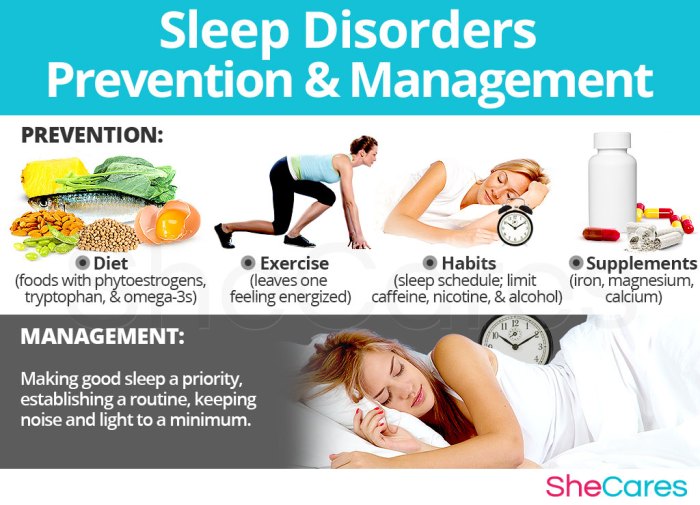
Sleep plays a crucial role in our overall health and well-being, including when it comes to preparing for health screenings. Adequate rest and quality sleep are essential for ensuring accurate and reliable results from various health screenings.
Importance of Sleep in Preparing for Health Screenings
Before undergoing any health screenings, it is important to prioritize getting enough sleep. Sleep helps in regulating various bodily functions, which can impact the outcomes of screenings such as blood tests, imaging scans, and other diagnostic procedures.
How Sleep Quality Can Impact the Accuracy of Health Screenings
Poor sleep quality or lack of sleep can affect different aspects of our health, including hormone levels, immune function, and cognitive abilities. These factors can directly influence the results of health screenings, leading to potential inaccuracies or misinterpretations of the data.
Tips for Ensuring Optimal Results from Health Screenings Through Proper Sleep
- Aim for 7-9 hours of quality sleep each night leading up to your health screening to ensure your body is well-rested and functioning optimally.
- Avoid caffeine and heavy meals close to bedtime to promote better sleep quality and avoid disruptions in your sleep cycle.
- Establish a relaxing bedtime routine to signal to your body that it is time to wind down and prepare for sleep.
- Limit screen time and exposure to blue light from electronic devices before bed to promote the production of melatonin, a hormone that regulates sleep.
- If you are experiencing sleep disturbances or insomnia, consider discussing these issues with a healthcare provider to address any underlying issues that may be affecting your sleep quality.
Vaccination Programs and Sleep
Sleep plays a crucial role in supporting the effectiveness of vaccination programs. Adequate rest is essential for enhancing the body’s immune response to vaccines and optimizing vaccination outcomes.
Immune Response Enhancement
Proper sleep is directly linked to a stronger immune system, which is vital for the body to mount an effective response to vaccines. During sleep, the immune system releases cytokines, proteins that help regulate the immune response, promoting the production of antibodies in response to the vaccine.
- Quality sleep ensures that the body is primed to react appropriately to the components of the vaccine, increasing the chances of developing immunity.
- Research has shown that individuals who get sufficient sleep after receiving a vaccine tend to exhibit higher antibody levels compared to those who are sleep-deprived.
- By allowing the immune system to function optimally, sleep can significantly improve the body’s ability to recognize and combat pathogens introduced through vaccination.
Recommendations for Optimal Vaccination Outcomes, Role of sleep in disease prevention
To maximize the benefits of vaccination and ensure a robust immune response, it is essential to prioritize sleep as part of a comprehensive health strategy.
- Aim for 7-9 hours of quality sleep each night, especially before and after receiving a vaccine, to support the immune system’s response.
- Create a sleep-friendly environment by maintaining a consistent sleep schedule, optimizing sleep hygiene practices, and reducing exposure to screens before bedtime.
- Incorporate relaxation techniques such as deep breathing or meditation to promote restful sleep and enhance the body’s ability to generate a strong immune response.
Healthy Habits and Sleep
Sleep plays a crucial role in maintaining healthy habits and sustaining overall wellness. The impact of quality sleep on our ability to make healthy lifestyle choices cannot be overstated. Incorporating good sleep habits into our daily routines is essential for optimal health and well-being.
Benefits of Good Sleep for Healthy Habits
- Improved decision-making: Adequate sleep enhances cognitive function, allowing us to make better choices when it comes to diet, exercise, and other health-related decisions.
- Increased motivation: Quality sleep helps boost motivation levels, making it easier to stick to a regular exercise routine or healthy eating plan.
- Stress management: Sleep plays a key role in regulating stress hormones, which can impact our ability to cope with daily challenges and maintain healthy habits.
- Enhanced energy levels: Proper rest ensures that we have the energy and stamina to engage in physical activities and prioritize self-care practices.
Tips for Incorporating Good Sleep Habits
- Establish a consistent sleep schedule by going to bed and waking up at the same time every day, even on weekends.
- Create a relaxing bedtime routine to signal to your body that it’s time to wind down, such as reading a book or taking a warm bath.
- Avoid caffeine, heavy meals, and electronic devices before bedtime to promote better sleep quality.
- Ensure your sleep environment is conducive to rest, with a comfortable mattress, pillows, and a dark, quiet room.
Balanced Hormones and Sleep
Sleep plays a crucial role in maintaining hormone balance within the body. When we get enough quality sleep, our hormones are able to function properly, leading to overall health and well-being.
Influence of Sleep on Hormone Balance
Quality sleep is essential for regulating key hormones in the body such as cortisol, insulin, growth hormone, and leptin. Lack of sleep can disrupt the balance of these hormones, leading to various health issues like weight gain, insulin resistance, and increased stress levels.
- Sleep deprivation can lead to elevated cortisol levels, which can result in increased inflammation, impaired immune function, and weight gain.
- Insufficient sleep can disrupt insulin production and utilization in the body, contributing to a higher risk of developing diabetes.
- Growth hormone, responsible for cell repair and growth, is primarily released during deep sleep, emphasizing the importance of quality rest for hormone balance.
- Leptin, the hormone that signals feelings of fullness, can be suppressed with inadequate sleep, leading to overeating and weight gain.
Practices for Promoting Balanced Hormones through Quality Sleep
To promote balanced hormones through quality sleep, it’s essential to establish good sleep hygiene practices and create a conducive sleep environment.
- Establish a consistent sleep schedule by going to bed and waking up at the same time every day, even on weekends.
- Create a relaxing bedtime routine to signal to your body that it’s time to wind down, such as reading a book, taking a warm bath, or practicing relaxation techniques.
- Avoid stimulants like caffeine and electronic devices before bedtime, as they can interfere with the production of sleep-inducing hormones.
- Ensure your sleep environment is conducive to rest by keeping your bedroom dark, cool, and quiet.
- Regular exercise can also help regulate hormones and improve sleep quality, but avoid vigorous workouts close to bedtime.
- Consider incorporating relaxation techniques like meditation or deep breathing exercises to reduce stress levels and promote hormonal balance.
Health Coaching and Sleep
Health coaching plays a crucial role in improving sleep quality by providing individuals with the necessary tools and strategies to develop better sleep habits. By working closely with a health coach, individuals can address underlying issues affecting their sleep and implement effective solutions to enhance their overall well-being.
Strategies for Enhancing Sleep for Disease Prevention
- Establishing a consistent bedtime routine to signal the body that it’s time to wind down
- Practicing relaxation techniques such as deep breathing or meditation before bed
- Limiting screen time and exposure to blue light from electronic devices before bedtime
- Incorporating regular physical activity into daily routine to promote better sleep quality
- Creating a comfortable sleep environment by optimizing room temperature, noise levels, and mattress quality
Fitness Goals and Sleep
Sleep plays a crucial role in achieving fitness goals as it directly impacts exercise performance and overall physical well-being. Adequate rest is essential for muscle recovery, energy levels, and optimal cognitive function during workouts. Let’s explore the relationship between sleep quality and exercise performance, along with some tips for aligning sleep patterns with fitness goals.
Impact of Sleep on Exercise Performance
Quality sleep is essential for muscle repair and growth, as it allows the body to recover from the stress of exercise. Lack of sleep can lead to decreased strength, endurance, and coordination, making it harder to achieve fitness goals. Additionally, sleep deprivation can hinder motivation, focus, and decision-making abilities, affecting workout performance.
Tips for Aligning Sleep Patterns with Fitness Goals
- Establish a consistent sleep schedule: Go to bed and wake up at the same time every day to regulate your body’s internal clock.
- Create a relaxing bedtime routine: Practice calming activities like reading or meditation to signal to your body that it’s time to wind down.
- Avoid stimulants before bed: Limit caffeine and electronic devices before sleep to promote deeper and more restful rest.
- Optimize your sleep environment: Make sure your bedroom is dark, quiet, and cool to create the ideal conditions for quality sleep.
- Listen to your body: Pay attention to how different amounts of sleep affect your performance and adjust your rest accordingly.
Diet Planning and Sleep
Sleep plays a crucial role in our dietary choices and overall health. The connection between sleep and diet is significant, impacting food cravings, metabolism, and overall well-being. Incorporating sleep considerations into diet planning is essential for maintaining a healthy lifestyle.
Influence of Sleep on Food Cravings and Metabolism
Sleep deprivation can lead to an increase in hunger hormones, such as ghrelin, and a decrease in satiety hormones, like leptin. This imbalance can result in stronger cravings for high-calorie and high-sugar foods. Additionally, lack of sleep can slow down metabolism, making it harder to burn calories efficiently.
It is important to prioritize quality sleep to regulate appetite and support a healthy metabolism.
Guidance for Incorporating Sleep into Diet Planning
- Establish a consistent sleep schedule: Aim for 7-9 hours of quality sleep each night to support healthy eating habits.
- Avoid late-night snacking: Lack of sleep can lead to mindless eating, so try to establish a cut-off time for meals and snacks before bedtime.
- Choose nutrient-dense foods: Opt for whole foods like fruits, vegetables, lean proteins, and whole grains to support overall health and energy levels.
- Stay hydrated: Proper hydration is essential for optimal metabolism and overall well-being, so make sure to drink enough water throughout the day.
- Limit caffeine and alcohol intake: These substances can disrupt sleep patterns and affect dietary choices, so consume them in moderation.
Health Supplements and Sleep
When it comes to enhancing sleep quality for disease prevention, health supplements can play a crucial role in supporting overall health and well-being. By incorporating certain supplements into your routine, you can potentially improve your sleep patterns and promote better rest.
Supplements for Better Sleep and Overall Health
- Melatonin: A natural hormone that regulates sleep-wake cycles and can help with insomnia or jet lag.
- L-theanine: An amino acid found in tea leaves that can promote relaxation and reduce stress.
- Magnesium: Helps relax muscles and calm the nervous system, aiding in falling asleep faster.
- Valerian root: Known for its sedative properties, valerian root can improve sleep quality and reduce anxiety.
Recommendations for Using Health Supplements to Enhance Sleep
- Consult with a healthcare provider before starting any new supplement regimen.
- Follow recommended dosages and instructions provided on the supplement labels.
- Consider combining supplements with other sleep-promoting habits, such as a consistent bedtime routine and a calming sleep environment.
- Monitor your sleep patterns and overall well-being to assess the effectiveness of the supplements.
Breathing Techniques and Sleep
Implementing specific breathing techniques can significantly contribute to improving the quality of your sleep. By incorporating these practices into your bedtime routine, you can promote relaxation and achieve a more restful night’s sleep.
Benefits of Breathing Techniques for Better Sleep
Engaging in deep breathing exercises before bedtime can help calm the mind and body, preparing you for a peaceful night’s rest. By focusing on your breath and regulating your inhalation and exhalation, you can reduce stress and anxiety levels, leading to improved sleep quality.
Incorporating Breathing Techniques into Bedtime Routine
- Practice diaphragmatic breathing: Also known as belly breathing, this technique involves breathing deeply into your diaphragm, allowing your abdomen to expand with each inhalation and contract with each exhalation.
- Try progressive muscle relaxation: Combine deep breathing with muscle relaxation by tensing and releasing different muscle groups in your body while focusing on your breath. This can help relieve tension and promote a sense of calm before sleep.
- Use box breathing method: Inhale for a count of four, hold your breath for a count of four, exhale for a count of four, and hold your breath for a count of four before starting the cycle again. This technique can regulate your breathing pattern and induce a state of relaxation.
- Practice mindfulness meditation: Incorporate mindfulness techniques into your bedtime routine by focusing on your breath and being present in the moment. This can help quiet the mind and alleviate racing thoughts that may interfere with sleep.
Disease Prevention Strategies and Sleep
Sleep plays a crucial role in overall disease prevention by allowing the body to repair, recharge, and rejuvenate. Adequate sleep is essential for maintaining a healthy immune system, reducing inflammation, and supporting optimal brain function. Inadequate sleep, on the other hand, can lead to increased susceptibility to various health conditions and chronic diseases.
Benefits of Adequate Sleep for Disease Prevention
- Improved immune function: Adequate sleep helps the immune system function optimally, reducing the risk of infections and illnesses.
- Reduced inflammation: Quality sleep can lower inflammation levels in the body, which is linked to the development of chronic diseases such as heart disease, diabetes, and cancer.
- Enhanced cognitive function: Good sleep habits support brain health, improving memory, concentration, and overall cognitive performance.
- Regulated hormone levels: Proper sleep helps maintain a balance of hormones involved in appetite regulation, metabolism, and stress response, which are essential for disease prevention.
- Healthy weight management: Sleep influences the hormones that control hunger and satiety, promoting a healthy weight and reducing the risk of obesity-related diseases.
Pain Management and Sleep
Sleep plays a crucial role in pain management, as the quality and quantity of sleep can significantly impact how we perceive and tolerate pain. Understanding this relationship can help individuals use sleep as a tool for effective pain management.
The Influence of Sleep on Pain Perception
Research has shown that inadequate sleep can amplify pain perception, making individuals more sensitive to discomfort. Sleep deprivation can lower pain threshold levels, making even minor aches and pains feel more intense. This can lead to a vicious cycle where pain disrupts sleep, and poor sleep worsens the perception of pain.
Tips for Using Sleep for Pain Management
- Establish a regular sleep schedule: Maintaining consistent bedtimes and wake times can help regulate your body’s internal clock, promoting better sleep quality.
- Create a calming bedtime routine: Engage in relaxing activities before bed, such as reading or taking a warm bath, to signal to your body that it’s time to wind down.
- Optimize your sleep environment: Ensure your bedroom is conducive to sleep by keeping it cool, dark, and quiet. Invest in a comfortable mattress and pillows for proper support.
- Practice relaxation techniques: Techniques like deep breathing, meditation, or progressive muscle relaxation can help reduce stress and promote relaxation before bedtime.
- Avoid stimulants and electronic devices: Limit caffeine intake, especially in the afternoon and evening, and avoid screens close to bedtime as they can interfere with melatonin production.
Holistic Treatments and Sleep
Holistic treatments focus on treating the whole person
- mind, body, and spirit
- to achieve overall wellness. When it comes to sleep, incorporating holistic practices can significantly enhance sleep quality and promote better health outcomes.
Benefits of Holistic Treatments for Sleep
- Reduce stress and anxiety levels, leading to improved relaxation and better sleep.
- Promote a sense of calmness and mindfulness, creating a conducive environment for sleep.
- Address underlying health issues that may be affecting sleep, such as pain or digestive problems.
- Enhance overall well-being, which can positively impact sleep patterns and quality.
Examples of Holistic Treatments for Better Sleep
- Yoga and meditation: These practices help calm the mind, reduce stress, and promote relaxation before bedtime.
- Aromatherapy: Using essential oils like lavender can have a calming effect and improve sleep quality.
- Acupuncture: This traditional Chinese medicine technique can help balance energy flow and address sleep disturbances.
- Herbal supplements: Natural remedies like valerian root or chamomile tea can aid in relaxation and promote better sleep.
- Mind-body therapies: Practices like tai chi or qigong can improve sleep by combining movement, meditation, and breath work.
Mental Resilience and Sleep
Sleep plays a crucial role in maintaining mental resilience and emotional well-being. Adequate sleep can significantly impact our ability to cope with stress and challenges, ultimately enhancing our overall mental health.
Impact of Sleep on Mental Resilience
Quality sleep is essential for cognitive function, emotional regulation, and stress management. When we are well-rested, our brains are better equipped to handle daily stressors and bounce back from setbacks. Lack of sleep, on the other hand, can lead to increased irritability, mood swings, and difficulty in processing emotions effectively.
Improving Coping Mechanisms through Sleep
By prioritizing quality sleep, individuals can enhance their coping mechanisms and build resilience against mental health issues. Creating a consistent sleep schedule, practicing relaxation techniques before bedtime, and ensuring a comfortable sleep environment are effective strategies for improving sleep quality.
Enhancing Stress Resilience with Quality Sleep
Quality sleep is essential for regulating stress hormones and promoting emotional balance. Engaging in calming activities before bed, such as reading or meditation, can help reduce anxiety levels and promote a peaceful night’s sleep. Additionally, establishing a bedtime routine and avoiding stimulants like caffeine before bedtime can contribute to better stress resilience.
Strategies for Enhancing Mental Resilience through Sleep
- Prioritize 7-9 hours of quality sleep each night
- Create a relaxing bedtime routine to signal to your body it’s time to wind down
- Maintain a comfortable sleep environment conducive to restful sleep
- Practice stress-reducing activities like meditation or deep breathing before bed
- Limit screen time and exposure to blue light before bedtime to improve sleep quality
Closure
In conclusion, the role of sleep in disease prevention is undeniable. By prioritizing good sleep habits, you’re not just getting rest; you’re actively safeguarding your health and well-being. Remember, a good night’s sleep is more than just a luxury – it’s a necessity for a healthy life.
Q&A
Can poor sleep really lead to diseases?
Yes, poor sleep has been linked to various health conditions such as heart disease, diabetes, and obesity.
How can I improve my sleep for disease prevention?
Try establishing a consistent bedtime routine, creating a comfortable sleep environment, and avoiding screens before bed.
Is there a specific amount of sleep needed for disease prevention?
Most adults require 7-9 hours of quality sleep per night to maintain optimal health and prevent diseases.