Foods to avoid for a healthy digestive system highlight the crucial link between our diet and gut wellness, shedding light on common culprits that may disrupt our digestive balance.
When it comes to digestive health, what we eat plays a significant role in how our gut functions. Certain foods can either support or hinder our digestive system’s well-being, impacting our overall health in the process.
Foods to avoid for a healthy digestive system
To maintain a healthy digestive system, it is essential to be mindful of the foods we consume. Certain foods can disrupt digestion and negatively impact gut health, leading to various digestive issues. Avoiding processed foods that are hard on digestion, as well as limiting the intake of excessive sugar and artificial sweeteners, is crucial for digestive wellness.
Common Foods that Disrupt Digestion
- Fried and greasy foods
- Spicy foods
- Dairy products for lactose intolerant individuals
- High-fat foods
Impact of Certain Foods on Gut Health
- Processed foods with additives and preservatives can irritate the digestive system
- Highly processed carbohydrates can lead to bloating and gas
- Artificial sweeteners may disrupt the balance of gut bacteria
Examples of Processed Foods Hard on Digestion
- Fast food items like burgers and fries
- Canned soups and ready-to-eat meals
- Commercially baked goods with trans fats
Avoiding Excessive Sugar and Artificial Sweeteners
- Excessive sugar consumption can feed harmful bacteria in the gut
- Artificial sweeteners may alter gut microbiota and cause digestive discomfort
- Opt for natural sweeteners like honey or maple syrup in moderation
Wellness Programs
Wellness programs are designed to promote and support overall health and well-being by incorporating various components that focus on preventive measures and lifestyle improvements.
Components of an Effective Wellness Program
- Health Assessments: Regular assessments help individuals understand their current health status and identify areas for improvement.
- Nutrition Education: Providing information on healthy eating habits and proper nutrition to support digestive health.
- Physical Activity: Encouraging regular exercise routines to enhance fitness levels and overall well-being.
- Mental Health Support: Offering resources and tools to manage stress, anxiety, and improve mental well-being.
- Health Screenings: Conducting screenings for early detection of potential health issues and diseases.
Benefits of Participating in Wellness Programs
- Improved Health Outcomes: Participants experience reduced risk of chronic diseases and better overall health.
- Enhanced Productivity: Healthier individuals are more productive at work due to increased energy levels and focus.
- Cost Savings: Preventive measures and early interventions can lead to lower healthcare costs in the long run.
- Increased Morale: Participation in wellness programs can boost morale and create a positive work environment.
Successful Wellness Programs in Promoting Overall Health
- Corporate Wellness Programs: Companies offering wellness initiatives to employees see improved retention rates and decreased absenteeism.
- Community Health Campaigns: Outreach programs that educate and engage communities in adopting healthy lifestyles have a positive impact on public health.
- School Wellness Initiatives: Schools implementing wellness programs for students and staff witness improved academic performance and overall well-being.
How Wellness Programs Can Improve Quality of Life and Prevent Disease
- Behavioral Changes: Wellness programs encourage individuals to adopt healthier behaviors that can lead to long-term improvements in quality of life.
- Disease Prevention: By promoting regular health screenings and early interventions, wellness programs help prevent the onset of chronic diseases.
- Empowerment: Participants feel empowered to take control of their health and make informed decisions for a better quality of life.
Herbal Remedies
Herbal remedies have been used for centuries to promote digestive health and address various gastrointestinal issues. Incorporating these natural remedies into your diet plan can offer numerous benefits and support a healthy digestive system.
Popular Herbal Remedies for Digestive Health
- Peppermint: Known for its soothing properties, peppermint can help relieve digestive discomfort such as bloating and gas.
- Ginger: Ginger has anti-inflammatory properties that can aid digestion and alleviate nausea.
- Chamomile: Chamomile tea is often used to calm the stomach and reduce digestive issues like indigestion.
Benefits of Herbal Remedies
- Natural: Herbal remedies are derived from plants and offer a natural alternative to synthetic medications.
- Gentle: Herbal remedies are often gentler on the digestive system compared to harsh chemical treatments.
- Effective: Many herbal remedies have been scientifically proven to improve digestion and alleviate gastrointestinal symptoms.
How Herbal Remedies Support Digestive Health
- Reducing inflammation: Herbs like turmeric and ginger can help reduce inflammation in the gut, promoting better digestion.
- Balancing gut flora: Certain herbs like licorice root can help balance the gut microbiome, supporting overall digestive health.
- Relieving symptoms: Herbal remedies like fennel seeds can help relieve bloating and gas, improving overall digestive comfort.
Cautionary Notes about Using Herbal Remedies
- Consult a healthcare provider: Before incorporating herbal remedies into your diet, it’s important to consult with a healthcare provider, especially if you have existing health conditions or are taking medications.
- Quality control: Ensure that the herbal remedies you choose are of high quality and come from reputable sources to avoid any adverse effects.
- Monitor reactions: Pay attention to how your body responds to herbal remedies and discontinue use if you experience any negative side effects.
Skin Health
The health of our skin is greatly influenced by what we eat. A healthy diet plays a crucial role in promoting clear, radiant skin from within. The connection between gut health and skin conditions is well-documented, highlighting the importance of maintaining a healthy digestive system for glowing skin.
In addition to a good diet, skincare tips can further enhance the appearance and health of our skin.
Foods for Healthy Skin
- Eat foods rich in antioxidants such as berries, nuts, and leafy greens to combat oxidative stress and promote skin health.
- Incorporate omega-3 fatty acids from sources like salmon, chia seeds, and walnuts to help maintain skin elasticity and hydration.
- Include foods high in vitamin C like citrus fruits and bell peppers to boost collagen production and protect against skin damage.
- Drink plenty of water to keep your skin hydrated and flush out toxins that can lead to breakouts and dullness.
Skincare Tips for Radiant Skin, Foods to avoid for a healthy digestive system
- Always remove makeup before bed to allow your skin to breathe and regenerate overnight.
- Use a gentle cleanser suitable for your skin type to avoid stripping away natural oils.
- Apply sunscreen daily to protect your skin from harmful UV rays and prevent premature aging.
- Maintain a regular skincare routine with products that suit your skin’s specific needs for optimal results.
Bone Density
Maintaining healthy bones is crucial for overall well-being, and nutrition plays a significant role in ensuring optimal bone density. A diet rich in essential nutrients can help support bone health and prevent conditions like osteoporosis. Let’s explore the factors that can impact bone density and how to preserve it as we age.
Nutrition for Healthy Bones
Proper nutrition is essential for maintaining healthy bones. Foods rich in calcium, vitamin D, magnesium, and phosphorus are particularly beneficial for bone health. Calcium is a key component of bone tissue, while vitamin D helps in calcium absorption. Magnesium and phosphorus also play vital roles in bone formation and strength.
- Include dairy products like milk, cheese, and yogurt in your diet for a good source of calcium.
- Eat green leafy vegetables, nuts, and seeds for magnesium intake.
- Get plenty of sunlight exposure for natural vitamin D synthesis.
- Consider fortified foods or supplements if you have difficulty meeting your nutrient needs through diet alone.
Lifestyle Factors and Bone Health
Apart from nutrition, certain lifestyle factors can impact bone density. Regular weight-bearing exercises, such as walking, running, or strength training, can help maintain bone strength. Avoiding smoking and excessive alcohol consumption also contribute to better bone health.
- Engage in weight-bearing exercises at least three times a week to promote bone density.
- Avoid smoking and limit alcohol intake to protect bone health.
Preserving Bone Density as We Age
As we age, it becomes even more crucial to focus on preserving bone density to prevent fractures and osteoporosis. In addition to a nutrient-rich diet and regular exercise, certain habits can help maintain strong bones as we grow older.
- Consume foods high in vitamin K, such as leafy greens and broccoli, to support bone mineralization.
- Avoid excessive caffeine intake, as it may interfere with calcium absorption.
- Ensure an adequate intake of protein to support bone health and muscle mass.
- Regularly monitor bone density through screenings recommended by healthcare providers.
Muscle Mass
Maintaining and building muscle mass is crucial for overall health and functional fitness. Diet plays a significant role in supporting muscle growth and recovery, with protein intake being a key factor in this process.
Importance of Protein Intake
Proteins are the building blocks of muscle tissue, essential for repairing and rebuilding muscle fibers after exercise. Adequate protein intake is necessary to support muscle growth and prevent muscle loss.
- Lean sources of protein such as chicken, fish, eggs, and tofu are excellent choices to include in your diet for muscle health.
- Protein supplements like whey protein can also be beneficial for individuals looking to increase their protein intake and support muscle recovery.
- It is recommended to consume protein-rich foods throughout the day, especially post-workout, to optimize muscle protein synthesis.
Tips for Optimizing Muscle Mass
In addition to protein intake, optimizing muscle mass requires a combination of proper nutrition and regular exercise.
- Include a variety of nutrient-dense foods in your diet to ensure you are getting a wide range of vitamins and minerals essential for muscle health.
- Stay hydrated to support muscle function and prevent dehydration, which can hinder muscle recovery.
- Engage in strength training exercises regularly to stimulate muscle growth and maintain muscle mass.
- Get an adequate amount of rest and quality sleep to allow your muscles to recover and grow effectively.
Dental Care
Maintaining good oral health is crucial for overall well-being. The food choices we make can significantly impact our dental health. A balanced diet plays a key role in promoting strong teeth and gums, while poor dietary habits can lead to various oral health issues.
Foods for Strong Teeth and Gums
- Include dairy products like milk, yogurt, and cheese for calcium, which is essential for strong teeth.
- Crunchy fruits and vegetables like apples, carrots, and celery help clean teeth and stimulate saliva production.
- Lean proteins such as poultry, fish, and nuts provide nutrients necessary for maintaining healthy gums.
Oral Health and Overall Well-being
Good oral health is connected to overall well-being. Poor dental hygiene can contribute to systemic diseases like cardiovascular issues and diabetes. Regular dental check-ups and a nutritious diet are key to preventing oral health problems.
Tips for Good Oral Hygiene
Brush your teeth at least twice a day and floss daily to remove plaque buildup.
- Limit sugary and acidic foods and drinks to prevent tooth decay.
- Stay hydrated by drinking water throughout the day to maintain saliva production.
- Avoid tobacco products as they can lead to gum disease and oral cancer.
Eye Health
Proper nutrition plays a crucial role in maintaining optimal eye health. The nutrients we consume can directly impact our vision and overall eye function.
Foods Rich in Nutrients Beneficial for Eye Health
- Dark leafy greens such as spinach and kale are rich in lutein and zeaxanthin, antioxidants that help protect the eyes from harmful light.
- Fatty fish like salmon and tuna contain omega-3 fatty acids, which can help reduce the risk of age-related macular degeneration.
- Carrots, sweet potatoes, and bell peppers are high in beta-carotene, a precursor of vitamin A essential for good vision.
- Citrus fruits like oranges and lemons provide vitamin C, which can reduce the risk of cataracts.
Tips for Protecting Vision and Preventing Eye Conditions
- Wear sunglasses that block UV rays to protect your eyes from sun damage.
- Take regular breaks from screens to prevent digital eye strain.
- Get regular eye check-ups to detect any issues early on.
Maintaining Optimal Eye Health through Diet and Lifestyle Choices
- Eat a balanced diet rich in fruits, vegetables, lean proteins, and whole grains to support overall eye health.
- Avoid smoking, as it can increase the risk of developing eye diseases like cataracts and macular degeneration.
- Stay hydrated to keep your eyes moist and prevent dryness.
Mental Clarity
Maintaining mental clarity is essential for overall well-being and productivity. The food we eat plays a crucial role in supporting cognitive function and focus. Hydration and nutrient intake also directly impact brain health. By adopting the right diet and lifestyle habits, we can enhance mental clarity and optimize brain function.
Foods for Mental Clarity and Focus
- Eat fatty fish like salmon, rich in omega-3 fatty acids, which are essential for brain health.
- Include berries in your diet, as they are high in antioxidants that protect the brain from oxidative stress.
- Consume nuts and seeds, which provide healthy fats, vitamins, and minerals that support brain function.
- Incorporate leafy greens like spinach and kale, which are rich in nutrients like folate and vitamin K, crucial for cognitive function.
Hydration and Nutrient Intake for Brain Health
Staying hydrated is key to maintaining optimal brain function, as dehydration can impair cognitive abilities.
- Drink plenty of water throughout the day to support brain function and focus.
- Ensure you are getting essential nutrients like vitamin B12, folate, and iron, which are important for brain health.
- Limit intake of processed foods and sugary drinks, as they can negatively impact cognitive function.
Tips for Enhancing Mental Clarity
- Practice mindfulness and meditation to reduce stress and improve focus.
- Get regular exercise, as physical activity is linked to better cognitive function.
- Ensure you are getting enough sleep, as rest is crucial for brain health and mental clarity.
- Avoid excessive alcohol consumption, as it can impair cognitive function and clarity.
Joint Flexibility
Maintaining joint flexibility is crucial for overall mobility and quality of life. A healthy diet plays a significant role in supporting joint health and flexibility by reducing inflammation and providing essential nutrients.
Foods for Joint Health
- Omega-3 fatty acids found in fatty fish like salmon and walnuts can help reduce inflammation in the joints.
- Antioxidants in fruits and vegetables, such as berries and leafy greens, can protect joint tissues from damage.
- Turmeric, a spice with anti-inflammatory properties, can help alleviate joint pain and stiffness.
Essential Nutrients for Joints
- Glucosamine and chondroitin are essential for maintaining healthy cartilage and joint function.
- Vitamin C is important for collagen production, which is necessary for supporting joint structure.
- Calcium and Vitamin D are crucial for bone health, which indirectly affects joint health.
Exercises and Lifestyle Practices
- Regular low-impact exercises like swimming or cycling can help improve joint flexibility without putting too much strain on them.
- Practicing yoga or tai chi can enhance balance, flexibility, and strength, benefiting overall joint health.
- Maintaining a healthy weight through proper diet and exercise can reduce pressure on the joints, promoting flexibility and mobility.
Digestive Health
A healthy digestive system is crucial for overall well-being as it is responsible for breaking down food, absorbing nutrients, and eliminating waste from the body. Poor digestion can lead to various health issues such as bloating, constipation, and nutrient deficiencies.
Diet plays a significant role in gut health and digestion. Consuming a balanced diet rich in fruits, vegetables, whole grains, and lean proteins can support a healthy digestive system. Avoiding processed foods, high sugar, and fatty foods can help prevent digestive problems.
Role of Probiotics and Fiber
Probiotics are beneficial bacteria that help maintain a healthy balance in the gut microbiome. They can improve digestion, boost immunity, and reduce inflammation in the digestive tract. Foods like yogurt, kefir, sauerkraut, and kimchi are rich in probiotics.
Fiber is essential for digestive health as it promotes regular bowel movements, prevents constipation, and feeds the good bacteria in the gut. Whole grains, fruits, vegetables, legumes, and nuts are excellent sources of fiber that can support a healthy digestive system.
Tips for Improving Digestion
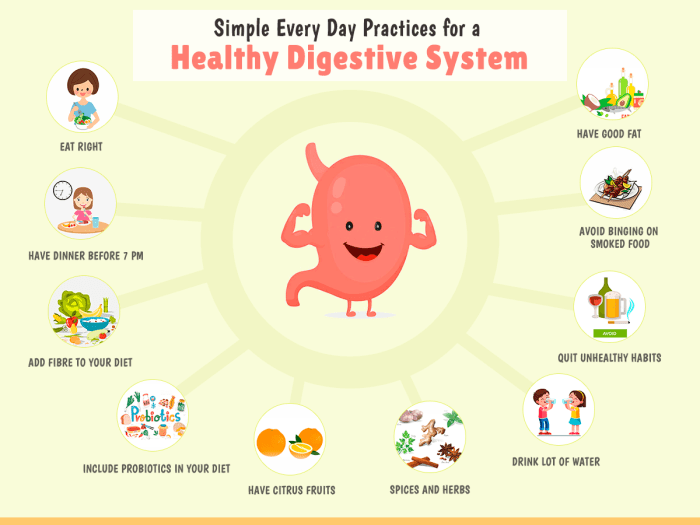
- Avoiding processed foods and added sugars
- Eating more fiber-rich foods
- Drinking plenty of water throughout the day
- Including probiotic-rich foods in your diet
- Eating smaller, more frequent meals
- Chewing food thoroughly to aid digestion
Detox Process: Foods To Avoid For A Healthy Digestive System
Detoxification is a natural process that occurs in the body to eliminate harmful toxins and waste products. This process primarily involves the liver, kidneys, lungs, skin, and lymphatic system working together to filter out and excrete toxins from the body.
The Role of Diet and Lifestyle
Our diet and lifestyle choices can greatly impact the body’s detoxification process. Consuming a diet high in processed foods, sugar, alcohol, and unhealthy fats can overload the detox organs and hinder their ability to function properly. On the other hand, eating a diet rich in whole foods, fruits, vegetables, and fiber can support the body’s detox mechanisms.
Foods That Support Detox
- Cruciferous vegetables such as broccoli, cauliflower, and kale are rich in sulfur compounds that aid in detoxification.
- Berries like blueberries, raspberries, and strawberries are high in antioxidants that help neutralize toxins in the body.
- Garlic and onions contain sulfur compounds that support liver detoxification processes.
- Herbs like cilantro, parsley, and turmeric have detoxifying properties that can help cleanse the body.
Tips for Promoting Detox
- Stay hydrated by drinking plenty of water throughout the day to support kidney function and flush out toxins.
- Limit processed foods, sugar, and alcohol to reduce the toxic load on the body.
- Engage in regular physical activity to support circulation and lymphatic drainage.
- Practice stress-reducing activities like yoga, meditation, or deep breathing to promote relaxation and detoxification.
Blood Pressure
Maintaining healthy blood pressure levels is crucial for overall wellness. Diet plays a significant role in managing blood pressure, so making the right food choices is essential.
Foods to Lower Blood Pressure
There are several foods that can help lower or maintain healthy blood pressure levels:
- Eating potassium-rich foods like bananas, sweet potatoes, and spinach can help lower blood pressure.
- Consuming foods high in magnesium such as nuts, seeds, and whole grains can also aid in regulating blood pressure.
- Including foods rich in fiber like fruits, vegetables, and whole grains can contribute to lower blood pressure levels.
Reducing Sodium Intake
Reducing sodium intake is crucial for promoting heart health and managing blood pressure:
- Avoiding processed foods, canned soups, and fast food, which are typically high in sodium, can help lower blood pressure.
- Reading food labels and opting for low-sodium or no-salt-added options can assist in reducing overall sodium consumption.
- Using herbs, spices, and lemon juice instead of salt to add flavor to meals can help decrease sodium intake.
Dietary Changes for Managing Blood Pressure
Managing blood pressure through dietary changes involves:
- Adopting the DASH (Dietary Approaches to Stop Hypertension) diet, which emphasizes fruits, vegetables, whole grains, and lean proteins.
- Limiting alcohol consumption and avoiding excessive caffeine intake can also contribute to better blood pressure management.
- Consulting with a healthcare provider or nutritionist to create a personalized diet plan tailored to managing blood pressure effectively.
Heart Rate
Maintaining a healthy heart rate is essential for overall cardiovascular health. Your diet plays a crucial role in regulating heart rate and ensuring proper circulation throughout the body. By making smart food choices, you can support a healthy heart rate and improve your heart health.
Diet and Heart Rate
A balanced diet rich in nutrients such as fiber, antioxidants, and omega-3 fatty acids can help regulate heart rate and promote cardiovascular well-being. Foods like fruits, vegetables, whole grains, fatty fish, nuts, and seeds are excellent choices for supporting a healthy heart rate.
- Include plenty of leafy greens, berries, and citrus fruits in your diet to boost your intake of vitamins, minerals, and antioxidants that promote heart health.
- Opt for lean proteins like chicken, turkey, and legumes to support muscle function and maintain a healthy heart rate.
- Limit your consumption of processed foods, sugary beverages, and high-sodium snacks, as they can contribute to heart rate irregularities and impact cardiovascular health negatively.
Lifestyle Choices for Heart Rate
In addition to a healthy diet, lifestyle factors like regular exercise, stress management, and adequate sleep play a significant role in maintaining a balanced heart rate. Incorporating activities like walking, jogging, yoga, or meditation into your routine can help improve heart rate variability and overall heart health.
Remember, a well-rounded approach that combines nutritious eating habits with a healthy lifestyle is key to supporting a healthy heart rate and optimal cardiovascular function.
Health Screenings
Regular health screenings are essential for maintaining overall well-being and detecting potential health issues early. These screenings can help identify any health concerns before they develop into more serious conditions, allowing for timely intervention and treatment.
Common Health Screenings
- Blood Pressure Monitoring: Recommended for all age groups to assess heart health and risk of cardiovascular diseases.
- Cholesterol Testing: Important for adults to evaluate the risk of heart disease and stroke.
- Cancer Screenings: Including mammograms, pap smears, colonoscopies, and prostate exams based on age and risk factors.
- Blood Glucose Testing: Crucial for detecting diabetes or prediabetes, especially in individuals with family history or other risk factors.
Benefits of Proactive Health Screenings
- Early Detection: Allows for early diagnosis and treatment of potential health issues before they progress.
- Prevention: Enables individuals to take preventive measures and make lifestyle changes to reduce the risk of developing chronic diseases.
- Peace of Mind: Regular screenings provide reassurance and peace of mind regarding one’s health status.
- Cost-Effective: Preventive screenings are often more cost-effective than treating advanced diseases or conditions.
Vaccination Programs
Vaccination programs play a crucial role in public health by preventing the spread of infectious diseases and protecting individuals from serious illnesses.
Through the administration of vaccines, individuals develop immunity to specific diseases, reducing the risk of outbreaks and safeguarding vulnerable populations.
Significance of Vaccination Programs
- Vaccination programs help create herd immunity, protecting those who cannot be vaccinated due to medical reasons.
- They contribute to the eradication of diseases such as smallpox and the near-elimination of others like polio.
- By reducing the prevalence of infectious diseases, vaccination programs alleviate the burden on healthcare systems.
Role of Vaccinations in Preventing Infectious Diseases
- Vaccinations stimulate the immune system to produce antibodies against specific pathogens, preventing infection and disease development.
- They help break the chain of transmission, reducing the spread of infectious agents within communities.
- By targeting highly contagious diseases like measles and influenza, vaccinations effectively control outbreaks.
Common Vaccines Recommended for Different Populations
- Flu Vaccine:Recommended annually for individuals over six months old to protect against seasonal influenza.
- MMR Vaccine:Protects against measles, mumps, and rubella, typically administered in childhood.
- Tdap Vaccine:Provides immunity against tetanus, diphtheria, and pertussis, recommended for adolescents and adults.
Importance of Staying Up-to-Date with Vaccinations
- Boosting Immunity:Regular vaccination boosts immunity levels, ensuring continued protection against diseases.
- Herd Immunity:Maintaining high vaccination rates in communities safeguards vulnerable individuals who cannot receive vaccines.
- Preventing Outbreaks:Timely vaccination prevents outbreaks of vaccine-preventable diseases in populations.
Healthy Habits
Developing healthy habits is crucial for overall well-being as it can significantly impact your physical, mental, and emotional health. By incorporating healthy habits into your daily routines, you can experience numerous benefits that enhance your quality of life.
Key Healthy Habits for Overall Well-being
- Regular Exercise: Engaging in physical activity helps improve cardiovascular health, boost mood, and increase energy levels.
- Healthy Eating: Consuming a balanced diet rich in fruits, vegetables, whole grains, and lean proteins supports proper nutrition and digestive health.
- Adequate Sleep: Getting enough quality sleep is essential for cognitive function, emotional well-being, and overall health.
- Stress Management: Practicing stress-reducing techniques such as meditation, yoga, or deep breathing can lower stress levels and improve mental clarity.
Benefits of Incorporating Healthy Habits
- Enhanced Immune Function: Healthy habits can strengthen the immune system, reducing the risk of illness and infections.
- Increased Longevity: Adopting healthy lifestyle practices can contribute to a longer and healthier life.
- Improved Mental Health: Healthy habits can positively impact mood, reduce anxiety, and enhance cognitive function.
Tips for Developing and Maintaining Healthy Lifestyle Practices
- Start Small: Begin by making gradual changes to your daily routines to avoid feeling overwhelmed.
- Set Realistic Goals: Establish achievable goals that are specific, measurable, and time-bound to track your progress effectively.
- Stay Consistent: Consistency is key to forming lasting habits, so make an effort to practice healthy behaviors regularly.
Examples of Small Changes for Significant Health Improvements
- Drinking More Water: Staying hydrated can improve digestion, energy levels, and skin health.
- Taking Short Walks: Incorporating brief walks into your day can boost circulation, reduce stress, and improve overall fitness.
- Limiting Processed Foods: Cutting back on processed foods high in sugar, salt, and unhealthy fats can benefit heart health and weight management.
Balanced Hormones
Having balanced hormones is crucial for overall health as they play a key role in regulating various bodily functions. Hormones are chemical messengers that control processes like metabolism, growth, mood, and reproduction.
Impact of Diet and Lifestyle on Hormone Levels
Diet and lifestyle choices can significantly impact hormone levels. Consuming a diet high in processed foods, sugar, and unhealthy fats can lead to hormonal imbalances. Lack of exercise, poor sleep quality, and chronic stress can also disrupt hormone production.
Tips for Promoting Hormonal Balance
- Avoid processed foods and sugar, and opt for whole, nutrient-dense foods like fruits, vegetables, lean proteins, and healthy fats.
- Incorporate regular exercise into your routine to help regulate hormone levels and reduce stress.
- Prioritize quality sleep to support hormone production and balance.
- Practice stress-reducing activities like yoga, meditation, or deep breathing exercises.
Natural Ways to Support Hormonal Health
- Include foods rich in omega-3 fatty acids, such as fatty fish, flaxseeds, and walnuts, to support hormone production.
- Consume foods high in fiber, like whole grains, legumes, and fruits, to aid in hormone regulation and digestion.
- Herbal supplements like maca root, ashwagandha, and evening primrose oil may help support hormonal balance.
- Manage your weight through a balanced diet and regular exercise to prevent hormonal disruptions associated with obesity.
Health Coaching
Health coaches play a vital role in supporting individuals in achieving their wellness goals. They provide personalized guidance, motivation, and accountability to help clients make positive lifestyle changes and improve their overall health.
Role of Health Coaches
Health coaches work with clients to identify their health goals and develop personalized plans to achieve them. They provide education, support, and encouragement to help individuals make sustainable changes to their diet, exercise routine, stress management, and overall lifestyle.
Benefits of Health Coaching
- Personalized Guidance: Health coaches create individualized plans tailored to each client’s specific needs and goals.
- Accountability: Regular check-ins and support from a health coach help clients stay on track and motivated to make lasting changes.
- Education and Empowerment: Health coaches educate clients about healthy habits and empower them to take control of their own health and well-being.
- Improved Health Outcomes: Working with a health coach has been shown to lead to better health outcomes, including weight loss, improved fitness, reduced stress, and increased energy levels.
Success Stories
“I started working with a health coach to improve my diet and increase my physical activity. With their support and guidance, I was able to lose weight, reduce my cholesterol levels, and feel more energized than ever before. I am grateful for the positive impact health coaching has had on my life.”
“After struggling with chronic health issues for years, I decided to work with a health coach to take control of my health. Through personalized guidance and encouragement, I was able to make significant lifestyle changes that have greatly improved my overall well-being. Health coaching has been a game-changer for me.”
Fitness Goals
Setting and achieving fitness goals is essential for maintaining a healthy lifestyle and improving overall well-being. By establishing clear objectives, individuals can track their progress, stay motivated, and make positive changes to their health.
Diet and exercise go hand in hand when it comes to reaching fitness milestones. A balanced diet provides the necessary nutrients to fuel the body for physical activity, while regular exercise helps burn calories, build muscle, and improve cardiovascular health.
Together, they create a synergistic effect that maximizes the benefits of a healthy lifestyle.
Importance of Setting Realistic Fitness Goals
When setting fitness goals, it is crucial to be realistic and sustainable. Unrealistic goals can lead to frustration and burnout, while achievable goals provide a sense of accomplishment and motivation to continue progressing. Here are some tips for establishing realistic fitness goals:
- Start small and gradually increase intensity
- Set specific, measurable, and time-bound goals
- Focus on overall health and well-being, not just appearance
- Consult with a fitness professional for guidance and support
Staying Motivated and Accountable
Staying motivated and accountable in fitness pursuits can be challenging, but there are strategies to help maintain momentum and consistency:
- Find a workout buddy or join a fitness group for social support
- Reward yourself for reaching milestones or sticking to your routine
- Track your progress and celebrate small victories along the way
- Create a schedule and prioritize exercise as part of your daily routine
Diet Planning
Proper diet planning plays a crucial role in maintaining overall health and well-being. A balanced and nutritious diet not only provides essential nutrients for the body but also helps in preventing various diseases and promoting optimal functioning of bodily systems.
Significance of Balanced Meal Planning
Creating a personalized diet plan based on individual needs is essential for achieving health goals. Here are some key principles to consider:
- Include a variety of fruits, vegetables, whole grains, lean proteins, and healthy fats in your meals.
- Aim for portion control to avoid overeating and maintain a healthy weight.
- Stay hydrated by drinking an adequate amount of water throughout the day.
- Avoid processed foods, sugary beverages, and excessive salt intake.
Meal Prep and Planning Techniques
Meal prep can help you stay on track with your healthy eating habits. Here are some tips for effective meal planning:
- Plan your meals ahead of time to ensure you have nutritious options available.
- Cook in batches and store meals in portioned containers for easy access during busy days.
- Include a balance of macronutrients (carbohydrates, proteins, fats) in each meal for sustained energy.
- Experiment with different recipes and food combinations to keep your meals exciting and enjoyable.
Health Supplements
Health supplements play a crucial role in supporting overall health and wellness by providing essential nutrients that may be lacking in our diets. They can help fill nutrient gaps and ensure our bodies have all the necessary vitamins, minerals, and other nutrients to function optimally.
Importance of Quality Supplements
When it comes to choosing supplements, quality is key. It’s essential to select supplements from reputable sources to ensure they are safe, effective, and free from contaminants. Quality supplements are more likely to provide the intended health benefits without causing harm.
Incorporating Supplements into a Healthy Lifestyle
Supplements can be incorporated into a healthy lifestyle to complement a balanced diet and support overall well-being. It’s important to consult with a healthcare provider or a nutritionist to determine which supplements are right for your specific needs. Timing and dosage are also crucial factors to consider when adding supplements to your daily routine.
Breathing Techniques
Breathing techniques play a crucial role in maintaining overall health and well-being. Proper breathing practices can have a significant impact on various aspects of our physical and mental health.:By incorporating breathing exercises into your daily routine, you can experience reduced stress levels, improved oxygen flow throughout the body, and enhanced respiratory function.
These techniques not only promote relaxation but also help in increasing energy levels, focus, and overall vitality.
Benefits of Proper Breathing Techniques
- Enhanced oxygen intake leading to improved organ function and overall health
- Stress reduction and relaxation through mindful breathing practices
- Improved mental clarity and focus
- Enhanced immune system function
Different Breathing Techniques
- Diaphragmatic breathing: Focus on breathing deeply from the diaphragm to increase oxygen flow
- Box breathing: Inhale, hold, exhale, hold – in equal counts to regulate breathing
- Alternate nostril breathing: Balance the flow of energy in the body by breathing through each nostril alternately
Tips for Mindful Breathing Practices
- Set aside a few minutes each day for breathing exercises
- Practice deep breathing during stressful situations to calm the mind and body
- Incorporate breathing techniques into your yoga or meditation routine for enhanced benefits
- Focus on your breath throughout the day to stay present and reduce anxiety
Disease Prevention
Maintaining a healthy lifestyle plays a crucial role in preventing chronic diseases. By making mindful choices in diet, exercise, and daily habits, individuals can significantly reduce their risk of developing various health conditions and promote longevity.
Impact of Lifestyle Choices
- Regular exercise helps to improve cardiovascular health, boost immunity, and regulate blood sugar levels.
- A balanced diet rich in fruits, vegetables, whole grains, and lean proteins provides essential nutrients that support overall health.
- Avoiding smoking and excessive alcohol consumption lowers the risk of heart disease, cancer, and other serious illnesses.
Tips for Disease Prevention
- Get regular health screenings to detect any potential issues early on.
- Manage stress through relaxation techniques like meditation or yoga to reduce the impact on overall health.
- Adequate sleep is essential for immune function, mental clarity, and overall well-being.
Proactive Measures for Longevity
- Incorporate superfoods like berries, nuts, and fatty fish into your diet for their rich nutritional content.
- Engage in activities that promote mental wellness, such as mindfulness practices or hobbies that bring joy and relaxation.
- Stay hydrated throughout the day to support digestion, circulation, and cellular function.
Pain Management
Pain management is a crucial aspect of overall wellness, and diet plays a significant role in how we experience pain. The foods we consume can either contribute to inflammation, which can exacerbate pain symptoms, or help reduce inflammation and alleviate discomfort.
Connection Between Diet, Inflammation, and Pain
Inflammation in the body is often linked to chronic pain conditions such as arthritis, fibromyalgia, and migraines. Certain foods, such as processed sugars, refined carbohydrates, and trans fats, can trigger inflammation and worsen pain symptoms. On the other hand, a diet rich in anti-inflammatory foods like fruits, vegetables, whole grains, and fatty fish can help reduce inflammation and manage pain more effectively.
Holistic Approaches to Pain Management through Diet and Lifestyle
In addition to incorporating anti-inflammatory foods into your diet, holistic pain management strategies may include staying hydrated, getting regular exercise, practicing stress-reducing techniques like yoga or meditation, and ensuring adequate sleep. These lifestyle factors can all influence pain levels and overall well-being.
Tips for Managing Chronic Pain through Nutrition and Natural Remedies
- Increase intake of omega-3 fatty acids found in fish, flaxseeds, and walnuts to help reduce inflammation.
- Incorporate turmeric, ginger, and garlic into your meals as they have natural anti-inflammatory properties.
- Stay hydrated by drinking plenty of water throughout the day to keep joints lubricated and reduce pain.
- Avoid processed foods, sugary snacks, and excessive caffeine, as they can worsen inflammation and pain symptoms.
- Consider consulting with a healthcare provider or nutritionist to create a personalized pain management plan that includes dietary modifications and natural remedies.
Holistic Treatments
Holistic health and wellness focus on treating the whole person, including the mind, body, and spirit. This approach emphasizes the interconnectedness of these aspects and aims to achieve overall well-being by addressing all areas of a person’s life.Holistic treatments incorporate a variety of therapies that promote balance and harmony within the body.
These therapies can include acupuncture, massage therapy, meditation, yoga, aromatherapy, and herbal remedies. By integrating these practices, individuals can experience improved physical, emotional, and spiritual health.
Examples of Holistic Therapies
- Acupuncture: This traditional Chinese medicine practice involves inserting thin needles into specific points on the body to promote the flow of energy and alleviate pain.
- Meditation: By focusing the mind and cultivating mindfulness, meditation helps reduce stress, anxiety, and improve mental clarity.
- Yoga: Combining physical postures, breathing exercises, and meditation, yoga enhances flexibility, strength, and relaxation.
- Aromatherapy: Using essential oils derived from plants, aromatherapy can help reduce stress, improve sleep, and enhance mood.
- Herbal Remedies: Natural herbs and plants are used to support various health conditions and promote overall well-being.
Integrating Holistic Practices into Lifestyle
Holistic practices can be integrated into daily life by incorporating mindfulness techniques, engaging in regular physical activity, maintaining a balanced diet, and nurturing social connections. By adopting a holistic approach to health, individuals can achieve a sense of harmony and vitality in all aspects of their lives.
Mental Resilience
Mental resilience is the ability to cope with and bounce back from challenges, adversity, and stress in a healthy and constructive way. It plays a crucial role in maintaining emotional well-being and overall mental health. Building mental resilience involves a combination of factors such as diet, exercise, mindset, and positive habits.
Importance of Mental Resilience
Mental resilience is essential for navigating the ups and downs of life. It enables individuals to adapt to change, overcome obstacles, and maintain a positive outlook even in difficult circumstances. Resilient individuals are better equipped to handle stress, manage emotions effectively, and bounce back from setbacks with a sense of purpose and determination.
Factors Influencing Mental Strength
- Diet: A balanced diet rich in nutrients such as omega-3 fatty acids, vitamins, and minerals can support brain health and cognitive function, enhancing mental resilience.
- Exercise: Regular physical activity releases endorphins, which can improve mood, reduce stress, and boost overall mental well-being.
- Mindset: Cultivating a growth mindset, practicing self-compassion, and developing positive thinking patterns can contribute to building mental strength and resilience.
Tips for Building Resilience
- Practice Mindfulness: Engage in mindfulness meditation or deep breathing exercises to stay present and grounded in the face of challenges.
- Seek Support: Build a strong support network of friends, family, or mental health professionals who can provide guidance and encouragement during tough times.
- Set Realistic Goals: Break down larger goals into smaller, manageable tasks to build confidence and a sense of accomplishment along the way.
Strategies for Enhancing Mental Resilience
“In the midst of chaos, there is also opportunity.”
Sun Tzu
Embracing change, practicing gratitude, fostering positive relationships, and engaging in activities that bring joy and fulfillment can all contribute to enhancing mental resilience. By incorporating these strategies into daily life, individuals can strengthen their ability to face adversity and thrive in challenging situations.
Last Recap
In conclusion, being mindful of the foods we consume can go a long way in maintaining a healthy digestive system. By avoiding problematic foods and making smarter choices, we can support our gut health and overall well-being.
Detailed FAQs
Which processed foods are hard on digestion?
Processed foods high in trans fats, refined sugars, and artificial ingredients can be particularly tough on the digestive system.
Why is excessive sugar bad for digestive wellness?
Excessive sugar consumption can disrupt the balance of gut bacteria, leading to digestive issues like bloating and discomfort.
How can certain foods negatively impact gut health?
Foods high in preservatives, additives, and unhealthy fats can cause inflammation in the gut, disrupting its normal function.