Importance of avoiding bone density loss with age: As we grow older, maintaining bone density becomes crucial for overall health and well-being. Let’s delve into the significance of this aspect and explore ways to prevent bone density loss as we age.
Bone density plays a vital role in our bodies, and understanding how to preserve it can lead to a healthier and more active lifestyle.
Importance of Avoiding Bone Density Loss with Age
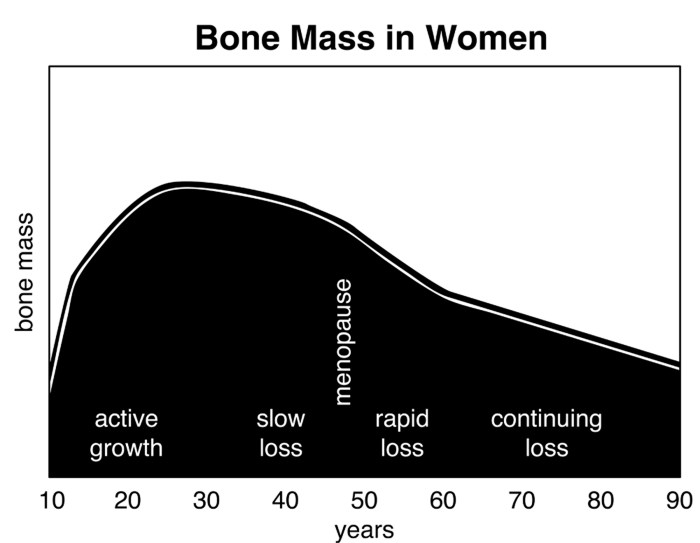
Maintaining bone density is crucial as we age to ensure strong and healthy bones. Bones provide structural support for the body, protect vital organs, and aid in mobility. As we grow older, bone density naturally decreases, but excessive bone loss can lead to serious health issues.
Significance of Maintaining Bone Density
It is essential to maintain bone density to prevent conditions such as osteoporosis, fractures, and decreased mobility. Strong bones also contribute to overall health and quality of life.
Risks Associated with Bone Density Loss
Individuals with low bone density are at a higher risk of fractures, especially in the hip, spine, and wrist. These fractures can result in chronic pain, disability, and loss of independence.
Impact on Overall Health
Reduced bone density can lead to a decrease in physical activity, muscle weakness, and an increased risk of falls. Additionally, bone health is closely linked to other aspects of health, such as cardiovascular health and hormone regulation.
Wellness Programs
Wellness programs play a crucial role in promoting bone health and preventing bone density loss as individuals age. These programs often incorporate a combination of exercise routines and nutrition plans tailored to support bone strength and overall well-being.
Examples of Wellness Programs for Bone Health
- Weight-bearing exercises: Programs that include activities such as walking, jogging, dancing, and weightlifting can help stimulate bone formation and increase bone density.
- Yoga and Pilates: These low-impact exercises focus on improving balance, flexibility, and strength, which can contribute to better bone health and reduce the risk of fractures.
- Nutrition counseling: Wellness programs may offer guidance on consuming calcium-rich foods, vitamin D supplements, and other nutrients essential for maintaining strong bones.
Role of Exercise and Nutrition in Wellness Programs for Bone Health
Wellness programs emphasize the importance of regular physical activity and a balanced diet to support bone health. Exercise helps strengthen bones by putting stress on them, triggering the body to build more bone tissue. Meanwhile, proper nutrition ensures that the body receives the necessary nutrients to maintain bone density and prevent deficiencies that can lead to bone loss over time.
By combining exercise and nutrition in wellness programs, individuals can proactively take steps to preserve their bone health as they age.
Herbal Remedies
Maintaining bone density is crucial for overall health, and herbal remedies can play a significant role in supporting bone health. These natural remedies have been used for centuries and are known for their potential benefits in preventing bone density loss.
Benefits of Herbal Remedies for Bone Density
- Nettle: Nettle is rich in minerals like calcium, magnesium, and silica, which are essential for bone health. It can help improve bone strength and density.
- Horsetail: Horsetail is another herb that is high in silica, a mineral important for collagen formation in bones. Collagen is a key component of bone structure.
- Red Clover: Red clover contains isoflavones, which may help in preventing bone loss and maintaining bone density, especially in postmenopausal women.
Effectiveness of Herbal Remedies
- Studies have shown that certain herbal remedies can help in reducing bone density loss and improving bone strength.
- However, it is important to note that herbal remedies should not replace conventional treatments for bone health but can be used as complementary options.
Precautions for Using Herbal Remedies
- Consult with a healthcare provider before incorporating herbal remedies into your bone health regimen, especially if you are taking medications or have underlying health conditions.
- Ensure you are using high-quality herbs from reputable sources to avoid any potential contamination or adverse effects.
- Monitor your bone health regularly and discuss any changes or concerns with your healthcare provider while using herbal remedies.
Skin Health
As we age, the health of our skin is closely connected to the density of our bones. The relationship between bone health and skin condition is often overlooked, but it plays a significant role in overall well-being.
Impact of Bone Density Loss on Skin
When bone density decreases with age, it can have a direct impact on the skin’s appearance and health. Lower bone density can lead to reduced collagen production, which is essential for skin elasticity and firmness. This can result in sagging skin, fine lines, and wrinkles, making the skin look aged and less vibrant.
Furthermore, decreased bone density can also affect the skin’s ability to heal and regenerate, leading to delayed wound healing and a higher susceptibility to skin infections.
Skincare Tips for Supporting Bone Health
- Include foods rich in collagen-building nutrients such as vitamin C, zinc, and copper in your diet to support skin elasticity.
- Stay hydrated to maintain skin hydration and support the body’s natural healing processes.
- Avoid excessive sun exposure and always use sunscreen to protect the skin from harmful UV rays that can further accelerate skin aging.
- Engage in regular physical activity, including weight-bearing exercises, to promote bone strength and overall wellness.
- Consider incorporating collagen supplements or topical treatments to support skin health from within.
Muscle Mass: Importance Of Avoiding Bone Density Loss With Age
Maintaining bone density is crucial for preserving muscle mass as we age. Strong bones provide a solid foundation for muscles to attach to, allowing them to function effectively. The connection between bone health and muscle strength is undeniable, as weakened bones can lead to muscle atrophy and decreased strength over time.
Exercises for Bone Density and Muscle Mass
Regular weight-bearing exercises are key to promoting both bone density and muscle mass. These activities include:
- Weightlifting: Strength training with weights or resistance bands helps to build muscle and increase bone density.
- Walking or jogging: These weight-bearing exercises are excellent for improving bone strength and muscle mass in the lower body.
- Yoga or Pilates: These exercises focus on balance, flexibility, and strength, benefiting both bones and muscles.
- Dancing: High-impact dance routines can be fun ways to boost bone density and muscle mass throughout the body.
Dental Care
Good dental care is essential not only for maintaining a healthy smile but also for preserving bone density as we age. The health of our teeth and gums can have a significant impact on the strength and density of our bones.
Importance of Good Oral Health
Proper oral hygiene plays a crucial role in preventing gum disease, which can lead to inflammation and infection. These oral health issues can trigger a systemic inflammatory response in the body, affecting bone health and potentially leading to bone loss.
- Brush your teeth at least twice a day and floss daily to remove plaque and prevent gum disease.
- Visit your dentist regularly for check-ups and cleanings to address any dental issues promptly.
- Avoid smoking and limit sugary foods and drinks to maintain good oral health.
Eye Health
Maintaining good eye health is crucial as we age, and it is essential to understand the connection between bone density loss and vision.
Impact of Bone Density Loss on Eye Health
Bone density loss can have a significant impact on eye health, particularly in conditions such as osteoporosis. Research suggests that individuals with osteoporosis may be at a higher risk of developing certain eye conditions, including age-related macular degeneration (AMD) and glaucoma.
This is due to the shared risk factors and underlying mechanisms between bone health and eye health.
Connection between Bone Health and Vision
Both bone health and vision are influenced by similar factors such as inflammation, oxidative stress, and hormonal changes. For example, low levels of vitamin D, which is essential for bone health, have also been linked to an increased risk of certain eye diseases.
Similarly, maintaining a healthy lifestyle through regular exercise and a balanced diet can benefit both bone density and eye health.
Habits for Supporting Bone Density and Eye Health
- Ensure an adequate intake of calcium and vitamin D through diet or supplements to support bone health and potentially reduce the risk of eye conditions.
- Regular eye check-ups are essential for early detection and management of any eye issues, especially for individuals with osteoporosis.
- Engage in regular physical activity, such as weight-bearing exercises, to promote bone density and overall health, which can also benefit eye health.
- Protect your eyes from harmful UV rays by wearing sunglasses outdoors, as UV exposure can contribute to both eye damage and bone density loss.
Mental Clarity
Maintaining mental clarity is crucial for overall well-being and cognitive function. The role of bone density in supporting mental clarity is often overlooked but plays a significant part in brain health.
Impact of Bone Health on Cognitive Function
Bone density loss can lead to an increased risk of fractures, which can cause chronic pain and limit mobility. This physical discomfort can have a direct impact on mental health and cognitive function. Additionally, research has shown that individuals with osteoporosis, a condition characterized by low bone density, may be at a higher risk of developing cognitive impairment and dementia.
- Regular exercise: Engaging in weight-bearing exercises such as walking, jogging, or weightlifting can help maintain bone density and improve cognitive function.
- Healthy diet: Consuming foods rich in calcium, vitamin D, and other essential nutrients can support bone health and cognitive function.
- Supplements: In some cases, supplements like calcium or vitamin D may be necessary to ensure adequate bone health and support mental clarity.
- Regular check-ups: Routine visits to healthcare providers can help monitor bone health and address any issues before they escalate.
Joint Flexibility
Maintaining bone density is crucial for preserving joint flexibility as bones provide the structural support for our joints. When bone density decreases with age, it can lead to joint issues such as stiffness, reduced range of motion, and increased risk of injuries.
Common Joint Issues Related to Bone Density Loss
- Arthritis: The most common joint problem associated with bone density loss is arthritis, which causes inflammation and pain in the joints.
- Osteoporosis: A condition characterized by weak and brittle bones, osteoporosis can increase the risk of fractures and impact joint flexibility.
- Tendonitis: Decreased bone density can put extra stress on tendons, leading to inflammation and pain in the joints.
Exercises to Improve Joint Flexibility and Support Bone Health
- Low-impact exercises: Engaging in activities such as swimming, yoga, or biking can help improve joint flexibility without putting too much strain on the bones.
- Strength training: Building muscle strength around the joints can provide support and stability, reducing the risk of injuries and improving flexibility.
- Stretching: Incorporating regular stretching exercises can help maintain or improve joint range of motion, promoting flexibility and preventing stiffness.
Digestive Health
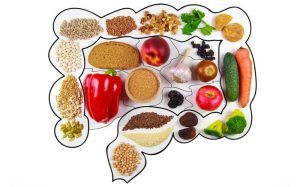
Maintaining good digestive health is crucial for overall well-being, including bone health. The digestive system is responsible for absorbing essential nutrients that are vital for maintaining strong and healthy bones.
Connection between Bone Density and Digestive Health
Digestive issues can impact bone health in several ways. Poor digestion can lead to malabsorption of nutrients such as calcium, vitamin D, and magnesium, which are essential for bone strength. This can result in weakened bones and increased risk of fractures.
Dietary Tips for Bone Density and Digestive Health
- Aim to include a variety of nutrient-rich foods in your diet, such as leafy greens, dairy products, nuts, seeds, and fish. These foods are not only beneficial for bone health but also support a healthy digestive system.
- Stay hydrated by drinking an adequate amount of water throughout the day. Proper hydration is essential for digestion and nutrient absorption.
- Incorporate probiotic-rich foods like yogurt, kefir, and sauerkraut into your diet to promote healthy gut bacteria. A balanced gut microbiome is crucial for optimal digestion and nutrient absorption.
- Avoid or limit processed foods, sugary drinks, and excessive alcohol consumption, as these can negatively impact digestive health and nutrient absorption.
- Consider consulting with a healthcare provider or a registered dietitian to create a personalized nutrition plan that supports both bone density and digestive health.
Detox Process
Bone density loss can have a significant impact on the body’s detoxification process. The bones play a crucial role in storing minerals and regulating acidity levels in the body, which are essential for detox functions. When bone density decreases, it can lead to mineral imbalances and hinder the body’s ability to effectively eliminate toxins.
Role of Bone Health in Supporting Detox Functions
Bone health is closely linked to the body’s detox process as bones store essential minerals like calcium, magnesium, and phosphorus. These minerals are not only vital for bone strength but also play a role in maintaining proper pH levels in the body, which is crucial for detoxification.
Furthermore, bone cells called osteoclasts are involved in breaking down old bone tissue and releasing minerals into the bloodstream. These minerals are then utilized in various detox processes, such as neutralizing acids and aiding in toxin elimination.
Lifestyle Habits for Maintaining Bone Health and Supporting Detox Process
- Adequate Calcium Intake: Consuming foods rich in calcium such as dairy products, leafy greens, and fortified foods can help maintain bone density and support detox functions.
- Regular Exercise: Weight-bearing exercises like walking, running, and strength training can stimulate bone growth and improve mineral absorption, benefiting both bone health and detox processes.
- Hydration: Drinking an adequate amount of water is essential for flushing out toxins and maintaining bone hydration, which is crucial for overall health.
- Reducing Alcohol and Caffeine Intake: Excessive alcohol and caffeine consumption can leach minerals from the bones and impair detox functions, so moderation is key.
- Stress Management: Chronic stress can negatively impact bone health and detox processes, so incorporating stress-reducing activities like yoga, meditation, or deep breathing exercises can be beneficial.
Blood Pressure
Maintaining healthy blood pressure is crucial for overall well-being. The relationship between bone density and blood pressure regulation is often overlooked, but it plays a significant role in cardiovascular health.
Influence of Bone Density on Blood Pressure Regulation
Bone health and blood pressure regulation are interconnected in surprising ways. Research suggests that individuals with lower bone density may be at a higher risk for developing high blood pressure.
- Reduced bone density can lead to the release of calcium into the bloodstream, which can affect the flexibility of blood vessels and increase blood pressure.
- Weakened bones may also impact the production of hormones involved in blood pressure regulation, further exacerbating hypertension.
- Conversely, maintaining strong bones through proper nutrition and exercise can help support healthy blood pressure levels.
Impact of Bone Health on Cardiovascular Health
The health of our bones is closely linked to the health of our cardiovascular system.
Strong bones support the body’s structure and protect vital organs, including the heart.
- Conditions like osteoporosis, which weaken bones, may increase the risk of heart disease and other cardiovascular issues.
- By prioritizing bone health, individuals can also promote better heart health and reduce the risk of developing hypertension and related conditions.
Maintaining Healthy Blood Pressure through Bone Health Practices
To support healthy blood pressure levels, it is essential to focus on maintaining strong bones through various practices.
- Engage in weight-bearing exercises like walking, jogging, or weight lifting to promote bone density and overall cardiovascular health.
- Consume a balanced diet rich in calcium, vitamin D, and other nutrients essential for bone strength and heart health.
- Avoid smoking and limit alcohol intake, as these habits can negatively impact both bone density and blood pressure regulation.
- Regularly monitor blood pressure levels and bone health through screenings and tests to stay proactive in managing overall wellness.
Heart Rate
Maintaining optimal bone density is crucial for overall health, as it can have a direct impact on heart rate and heart health. A strong skeletal system supports the body’s ability to pump blood efficiently, which in turn affects heart rate.
Relationship Between Bone Density and Heart Rate
- Optimal bone density supports the body’s structure and allows for proper posture, which can help the heart pump blood effectively throughout the body.
- Weak bones can lead to poor posture and misalignment, which can put strain on the heart and cause it to work harder to circulate blood.
- Individuals with low bone density may be at a higher risk of heart issues due to the added stress on the cardiovascular system.
Heart Rate Variability and Bone Health
- Heart rate variability refers to the variation in time intervals between heartbeats, which is an indicator of heart health and overall well-being.
- Optimal bone density can support heart rate variability by promoting proper alignment and posture, reducing stress on the heart.
- Poor bone health can lead to decreased heart rate variability, potentially indicating an increased risk of cardiovascular issues.
Tips for Supporting Heart Health Through Bone Density
- Engage in weight-bearing exercises such as walking, running, or weightlifting to promote bone strength and overall cardiovascular health.
- Ensure adequate intake of calcium, vitamin D, and other nutrients essential for bone health to support heart function.
- Maintain good posture and body alignment to reduce strain on the heart and promote optimal blood circulation.
Health Screenings
Regular health check-ups are crucial for maintaining overall well-being, and bone density screenings play a vital role in this process. These screenings help in early detection of issues related to bone health, providing valuable insights into potential risks and allowing for timely interventions.
Importance of Bone Density Screenings
Bone density screenings are essential for assessing the strength and health of your bones. By measuring bone mineral density, these screenings can identify conditions such as osteoporosis or osteopenia at an early stage. This early detection enables healthcare providers to recommend appropriate treatments and lifestyle modifications to prevent further bone density loss and reduce the risk of fractures.
- Include bone density screenings as part of your regular health screening routine, especially as you age or if you have risk factors for bone-related conditions.
- Consult with your healthcare provider to determine the frequency of bone density screenings based on your individual health profile and needs.
- Stay informed about the importance of bone health and the role of screenings in maintaining strong and healthy bones throughout your life.
Vaccination Programs
When it comes to vaccination programs, bone density plays a crucial role in determining their effectiveness. The health of our bones can impact the immune response to vaccines, affecting how well our bodies are able to build immunity against diseases.
Impact of Bone Density on Vaccination Programs
Low bone density can weaken the immune system, making it less responsive to vaccines. This can result in reduced protection against infectious diseases, leaving individuals more vulnerable to illnesses.
Influence of Bone Health on Immune Response
Strong bones support a healthy immune system, allowing for better antibody production and immune cell function. This enhances the body’s ability to generate a robust response to vaccines, leading to improved protection against pathogens.
Considerations for Vaccination Programs
Individuals with varying levels of bone density may require tailored approaches to vaccination. Those with compromised bone health may need additional support or alternative vaccination schedules to ensure optimal immune response and protection.
Healthy Habits
Maintaining strong bone density is crucial for overall health and well-being. By incorporating healthy habits into your daily routine, you can support bone health and reduce the risk of fractures and osteoporosis in the long run.
Examples of Healthy Habits for Bone Density Maintenance
- Engage in weight-bearing exercises such as walking, jogging, dancing, or weightlifting to stimulate bone growth and strength.
- Ensure an adequate intake of calcium and vitamin D through a balanced diet rich in dairy products, leafy greens, nuts, and fortified foods.
- Avoid smoking and limit alcohol consumption, as these habits can weaken bones and increase the risk of fractures.
- Get regular exposure to sunlight for natural vitamin D production, essential for calcium absorption and bone health.
- Practice good posture and body mechanics to reduce the strain on your bones and joints.
Role of Lifestyle Choices in Preserving Bone Health
Lifestyle choices such as physical activity, nutrition, and avoidance of harmful habits play a significant role in maintaining optimal bone density and strength.
Tips for Incorporating Healthy Habits into Daily Routines
- Schedule regular exercise sessions throughout the week, making it a priority in your daily schedule.
- Meal plan to ensure you are getting enough calcium and vitamin D in your diet, incorporating foods that support bone health.
- Set reminders to stand up and stretch if you have a sedentary job, promoting movement and bone strength throughout the day.
- Create a bedtime routine that includes winding down activities to promote quality sleep, essential for bone regeneration and repair.
- Stay hydrated and limit caffeine intake, as dehydration can affect bone mineral density and overall health.
Balanced Hormones
Maintaining balanced hormones is crucial for supporting bone density as hormones play a key role in regulating bone health. Fluctuations or imbalances in hormone levels can have a significant impact on bone density and overall bone strength.
Hormonal Changes Affecting Bone Health
Hormonal changes such as a decrease in estrogen levels in women during menopause can lead to a rapid decline in bone density, increasing the risk of osteoporosis. Similarly, low testosterone levels in men can also contribute to bone loss and decreased bone mineral density.
- Estrogen and Progesterone: These hormones play a vital role in maintaining bone density, especially in women. A decrease in estrogen levels can accelerate bone loss, making women more susceptible to fractures and osteoporosis.
- Testosterone: Low levels of testosterone in men can result in decreased bone density and increased risk of fractures. It is essential for maintaining bone health and strength in men.
- Cortisol: High levels of cortisol, known as the stress hormone, can have a negative impact on bone health by interfering with bone formation and promoting bone breakdown.
Strive to maintain hormonal balance through healthy lifestyle habits, proper nutrition, regular exercise, stress management, and seeking medical advice if necessary.
Strategies for Achieving Hormonal Balance, Importance of avoiding bone density loss with age
To support bone density and overall bone health, it is essential to focus on achieving hormonal balance through various strategies:
- Healthy Diet: Consuming a balanced diet rich in essential nutrients like calcium, vitamin D, magnesium, and other micronutrients can support hormonal balance and promote bone health.
- Regular Exercise: Engaging in weight-bearing exercises and strength training can help maintain hormonal balance, improve bone density, and reduce the risk of bone loss.
- Stress Management: Practicing stress-reducing techniques such as meditation, yoga, or deep breathing exercises can help regulate cortisol levels and support hormonal balance.
- Adequate Sleep: Getting enough quality sleep is crucial for hormone regulation, including those that impact bone health. Aim for 7-9 hours of sleep per night.
- Consultation with Healthcare Provider: If experiencing symptoms of hormonal imbalance or concerns about bone health, consult a healthcare provider for proper evaluation and guidance on hormonal balance.
Health Coaching
Health coaching plays a crucial role in promoting bone health by providing individuals with the necessary guidance and support to maintain optimal bone density as they age.
Benefits of Health Coaching for Bone Health
- Health coaches can create personalized nutrition and exercise plans to help individuals strengthen their bones and prevent bone density loss.
- Through regular monitoring and accountability, health coaches can ensure that individuals adhere to their bone health regimen and make necessary adjustments when needed.
- Health coaches empower individuals to make informed lifestyle choices that contribute to overall bone health and wellness, such as stress management techniques and adequate sleep habits.
- By educating individuals on the importance of bone health and the risk factors associated with bone density loss, health coaches can motivate them to take proactive steps towards maintaining strong and healthy bones.
Fitness Goals
Setting fitness goals is crucial for preserving bone density as we age. Physical activity plays a significant role in maintaining bone health, and establishing fitness goals that prioritize bone health can help prevent bone density loss and reduce the risk of osteoporosis.
Connection Between Physical Activity and Bone Health
Regular physical activity, such as weight-bearing exercises and strength training, helps stimulate bone growth and maintain bone density. Weight-bearing exercises like walking, jogging, dancing, and resistance training are particularly beneficial for bone health. These activities put stress on the bones, which signals the body to build more bone tissue, making them stronger and less prone to fractures.
Tips for Establishing Fitness Goals for Bone Health
- Consult with a healthcare provider or a fitness professional to create a personalized exercise plan that focuses on improving bone density.
- Incorporate a mix of weight-bearing exercises, resistance training, and balance exercises into your fitness routine.
- Set specific and measurable goals, such as increasing the duration or intensity of your workouts gradually.
- Stay consistent with your exercise routine to see long-term benefits for your bone health.
- Track your progress and make adjustments to your fitness goals as needed to continue challenging your bones and promoting bone density.
Diet Planning
Proper diet planning plays a crucial role in maintaining optimal bone density as we age. By ensuring we consume the right nutrients, we can support our bone health and reduce the risk of bone density loss.
Key Nutrients for Bone Health
- Calcium: Essential for bone strength and density. Sources include dairy products, leafy greens, and fortified foods.
- Vitamin D: Helps the body absorb calcium. Get it from sunlight, fatty fish, and fortified foods.
- Magnesium: Supports bone structure and strength. Find it in nuts, seeds, whole grains, and leafy greens.
- Phosphorus: Works with calcium to build strong bones. Meats, dairy, and whole grains are good sources.
- Vitamin K: Aids in bone mineralization. Get it from leafy greens, broccoli, and soybeans.
Meal Planning Tips for Bone Health
- Include a variety of calcium-rich foods in your diet daily.
- Opt for vitamin D-fortified foods or spend time outdoors for natural sunlight exposure.
- Pair calcium-rich foods with sources of magnesium and phosphorus for optimal absorption.
- Incorporate vitamin K-rich foods like leafy greens into your meals regularly.
- Aim for a balanced diet that includes fruits, vegetables, whole grains, lean proteins, and healthy fats to support overall bone health.
Health Supplements
Taking health supplements can play a crucial role in supporting bone density as we age. These supplements are specifically formulated to provide the necessary nutrients that may be lacking in our diets, helping to maintain strong and healthy bones.
Common Supplements Recommended for Bone Health
- Calcium: Essential for building and maintaining strong bones.
- Vitamin D: Helps the body absorb calcium and supports bone health.
- Magnesium: Aids in calcium absorption and bone formation.
- Vitamin K: Supports bone mineralization and bone density.
- Collagen: Helps maintain bone strength and flexibility.
Considerations When Choosing Health Supplements for Bone Density Maintenance
- Quality: Opt for supplements from reputable brands with high-quality ingredients.
- Dosage: Ensure you are taking the correct dosage as recommended by healthcare professionals.
- Compatibility: Check for any potential interactions with medications or existing health conditions.
- Form: Choose supplements in forms that are easily absorbed by the body, such as capsules or liquid.
- Consultation: It is advisable to consult with a healthcare provider before starting any new supplement regimen.
Breathing Techniques
Breathing techniques play a crucial role in supporting bone density as they help improve oxygen circulation throughout the body. This increased oxygen flow aids in the repair and regeneration of bone tissues, ultimately contributing to better bone health.
Benefits of Breathing Techniques for Bone Density
- Deep breathing exercises can enhance lung capacity, allowing for better absorption of nutrients essential for bone strength.
- Practicing mindful breathing can reduce stress and cortisol levels, which can otherwise lead to bone loss.
- Breathing techniques like diaphragmatic breathing can improve posture, reducing the risk of bone-related issues like osteoporosis.
Disease Prevention
Maintaining bone density is crucial for overall disease prevention as it plays a significant role in supporting the body’s structure and function. When bone density is compromised, it can lead to various health issues and increase the risk of developing certain diseases.
Impact of Bone Density Loss on Disease Risk
- Bone density loss can increase the risk of osteoporosis, a condition characterized by weak and brittle bones, making individuals more susceptible to fractures and breaks.
- Low bone density is also linked to an increased risk of developing conditions such as arthritis, back pain, and joint problems.
- Research has shown a correlation between bone density loss and cardiovascular diseases, as weakened bones can affect the heart’s ability to function optimally.
Preventive Measures for Reducing Disease Risk through Bone Health
- Engage in weight-bearing exercises such as walking, running, or weightlifting to help maintain and improve bone density.
- Ensure an adequate intake of calcium and vitamin D through diet or supplements to support bone health.
- Avoid smoking and excessive alcohol consumption, as these habits can contribute to bone density loss.
- Regularly undergo bone density screenings to monitor changes and take necessary actions to prevent further deterioration.
Pain Management
Maintaining optimal bone density is crucial for effective pain management as bone health plays a significant role in pain perception. When bone density decreases with age, individuals are more susceptible to fractures, joint pain, and overall discomfort. Here, we will explore the relationship between bone density and pain management, as well as discuss strategies for managing pain by prioritizing bone health.
The Impact of Bone Health on Pain Perception
Maintaining strong and healthy bones is essential for reducing the risk of fractures and joint pain, which are common sources of chronic pain among aging individuals. Decreased bone density can lead to conditions such as osteoporosis, which can cause fractures even with minor falls or injuries, resulting in severe pain and limited mobility.
Additionally, poor bone health can exacerbate conditions like arthritis, leading to increased pain and discomfort in the joints.
- Ensuring adequate intake of calcium and vitamin D through diet and supplements can help maintain bone density and reduce the risk of fractures, ultimately alleviating pain associated with bone-related conditions.
- Regular weight-bearing exercises, such as walking, running, or weightlifting, can strengthen bones and improve overall bone health, reducing the likelihood of fractures and joint pain.
- Consulting with a healthcare provider for appropriate pain management strategies, such as physical therapy, medications, or injections, can help alleviate pain while addressing underlying bone health issues.
Holistic Treatments
Holistic treatments play a crucial role in supporting bone density as they focus on addressing the body as a whole, rather than just individual symptoms or areas. By considering various aspects of a person’s lifestyle, emotions, and mental well-being, holistic therapies aim to promote overall health and well-being, which can have a positive impact on bone health.
Holistic Approaches to Maintaining Bone Health
Holistic approaches to maintaining bone health involve a combination of lifestyle changes, natural remedies, and alternative therapies that work together to support strong and healthy bones. By incorporating holistic practices into your daily routine, you can improve bone density and reduce the risk of fractures and osteoporosis.
- Regular Exercise: Engaging in weight-bearing exercises, such as walking, dancing, or yoga, can help strengthen bones and improve bone density.
- Healthy Diet: Consuming a balanced diet rich in calcium, vitamin D, magnesium, and other essential nutrients is crucial for bone health.
- Herbal Remedies: Certain herbs and supplements, such as nettle leaf, horsetail, and calcium supplements derived from natural sources, can support bone density preservation.
- Acupuncture: Acupuncture treatments can help improve circulation, reduce inflammation, and promote overall bone health.
Mental Resilience
Maintaining strong bone density is not only crucial for physical health but also plays a significant role in mental resilience. The connection between bone health and mental well-being is often overlooked, but research has shown that bone density can influence psychological resilience and cognitive function.
Influence of Bone Density on Mental Resilience
- Strong bones provide structural support for the body, including the brain, which can impact cognitive function and mental clarity.
- Individuals with low bone density may experience increased risk of fractures, leading to physical limitations and decreased mobility, which can affect mental health and overall resilience.
- Research suggests that certain hormones produced by bone cells can also have an impact on mood regulation and stress response, highlighting the intricate relationship between bone health and mental well-being.
Practices to Enhance Mental Resilience through Bone Health Strategies
- Engage in weight-bearing exercises such as walking, dancing, or strength training to stimulate bone growth and improve overall bone density.
- Ensure a balanced diet rich in calcium, vitamin D, and other nutrients essential for bone health to support both physical and mental well-being.
- Practice stress-reducing techniques such as mindfulness, meditation, or yoga to promote relaxation and mental resilience, which can positively impact bone health.
- Seek social support and maintain strong relationships, as emotional connections and a strong support system can contribute to mental resilience and overall health.
End of Discussion
In conclusion, prioritizing bone density maintenance is key to a better quality of life as we age. By implementing the discussed strategies and staying proactive about bone health, we can strive towards a healthier and more vibrant future.
Expert Answers
How does bone density loss affect older adults?
Bone density loss can lead to an increased risk of fractures and osteoporosis in older adults, impacting their overall health and quality of life.
What are some effective ways to prevent bone density loss?
Regular exercise, a balanced diet rich in calcium and vitamin D, and avoiding smoking and excessive alcohol consumption can help prevent bone density loss.
Are there any specific exercises that promote both bone density and muscle mass?
Weight-bearing exercises like walking, jogging, and resistance training are beneficial for both bone density and muscle mass.