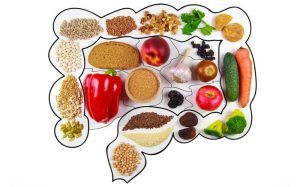
How to improve digestive health with probiotics takes center stage, beckoning readers into a world of knowledge. This guide offers insights on enhancing gut health through probiotics, ensuring a well-rounded understanding of this vital topic.
Probiotics play a crucial role in maintaining a healthy gut microbiome, leading to improved digestion and overall well-being. Dive into the details below to discover the key benefits, types, and methods of incorporating probiotics into your daily routine for optimal digestive health.
Introduction to Probiotics and Digestive Health
Probiotics are live bacteria and yeasts that are good for your health, especially your digestive system. They work by maintaining a healthy balance of gut bacteria, which is essential for proper digestion and overall well-being.
The Role of Probiotics in Promoting Digestive Health
Probiotics help maintain a healthy gut microbiome by replenishing the good bacteria in your digestive tract. This, in turn, helps improve digestion, boost the immune system, and prevent the overgrowth of harmful bacteria that can cause digestive issues.
- Probiotics can help alleviate symptoms of digestive disorders such as irritable bowel syndrome (IBS), diarrhea, and constipation.
- They can also aid in the absorption of nutrients from food, ensuring that your body gets the most out of what you eat.
- By promoting a healthy gut flora, probiotics can reduce inflammation in the digestive tract and improve overall gut health.
Types of Probiotics for Digestive Health
Probiotics are beneficial bacteria that can help improve digestive health by restoring the natural balance of gut flora. Different strains of probiotics offer various benefits for the digestive system, aiding in better nutrient absorption, reducing bloating and gas, and supporting overall gut health.
Lactobacillus acidophilus, How to improve digestive health with probiotics
Lactobacillus acidophilus is a common probiotic strain known for its ability to promote a healthy balance of bacteria in the gut. It can help with digestion and may reduce symptoms of irritable bowel syndrome (IBS).
Bifidobacterium lactis
Bifidobacterium lactis is another probiotic strain that is beneficial for digestive health. It can help improve bowel regularity and alleviate symptoms of diarrhea and constipation.
Saccharomyces boulardii
Saccharomyces boulardii is a yeast probiotic that can support digestive health by reducing inflammation in the gut and preventing the growth of harmful bacteria.
Comparing Probiotic Supplements
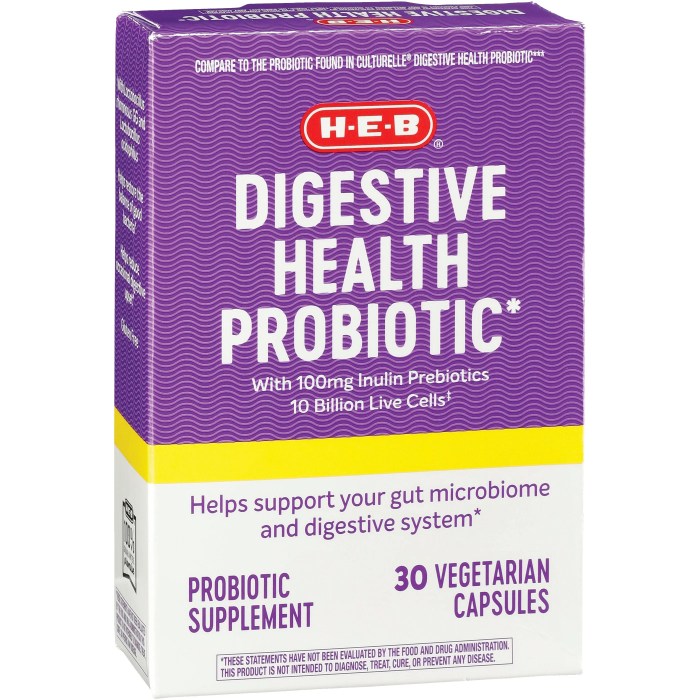
When choosing a probiotic supplement, it is essential to consider the specific strains included and their intended benefits. Different supplements may target specific digestive issues, so it is important to select one that aligns with your needs.
Probiotic-Rich Foods
In addition to supplements, incorporating probiotic-rich foods into your diet can also help improve digestive health. Examples of probiotic-rich foods include yogurt, kefir, sauerkraut, kimchi, and miso. These foods can introduce beneficial bacteria into your gut and promote a healthy digestive system.
Benefits of Probiotics on Digestive System
Probiotics play a crucial role in maintaining a healthy digestive system by alleviating various issues and promoting overall gut health.
Alleviating Digestive Issues
Probiotics can help alleviate common digestive problems such as bloating and indigestion. By restoring the balance of good bacteria in the gut, probiotics can reduce gas production and improve overall digestion.
Improving Nutrient Absorption
Probiotics aid in improving nutrient absorption in the gut by enhancing the breakdown and absorption of nutrients from food. This can lead to better overall nutrient uptake and support optimal functioning of the digestive system.
Strengthening the Immune System
Probiotics contribute to a stronger immune system through gut health. A healthy gut flora supports the immune system by preventing the growth of harmful bacteria and promoting the production of beneficial antibodies. This, in turn, helps in boosting overall immunity and reducing the risk of infections.
Incorporating Probiotics into Daily Routine
To maintain a healthy digestive system, it is important to incorporate probiotics into your daily routine. Probiotics can be found in various foods and supplements that can easily be included in your diet.
Including Probiotic-Rich Foods in Your Regular Diet
- Yogurt: Choose plain yogurt with live and active cultures to ensure you are getting a good dose of probiotics.
- Kefir: This fermented milk drink is rich in probiotics and can be enjoyed on its own or added to smoothies.
- Sauerkraut: This fermented cabbage dish is a great source of probiotics and can be added to sandwiches or salads.
- Kombucha: A fizzy fermented tea that is packed with probiotics and can be a refreshing drink option.
Choosing the Right Probiotic Supplement for Individual Needs
- Look for a supplement that contains a variety of probiotic strains to ensure diversity in your gut microbiome.
- Consider the CFU (colony-forming units) count to ensure you are getting a sufficient amount of probiotics.
- Consult with a healthcare professional to determine the best probiotic supplement for your specific digestive needs.
Recipes or Meal Ideas Incorporating Probiotics for Digestive Wellness
- Probiotic Smoothie: Blend kefir, yogurt, banana, and berries for a tasty and probiotic-rich breakfast option.
- Fermented Veggie Bowl: Top a bowl of brown rice with sauerkraut, kimchi, and roasted vegetables for a gut-friendly meal.
- Kombucha Salad Dressing: Mix kombucha with olive oil, lemon juice, and herbs for a probiotic-packed dressing to drizzle over salads.
Lifestyle Factors Affecting Digestive Health
Maintaining a healthy digestive system goes beyond just what you eat. Lifestyle factors also play a crucial role in the overall health of your gut.Regular Exercise:
Regular Exercise and Digestive Health
Regular physical activity is not only beneficial for your cardiovascular health but also for your digestive system. Exercise helps to stimulate the muscles in your intestines, promoting healthy bowel movements and reducing the risk of constipation. It can also help to regulate the balance of gut bacteria, leading to a healthier gut microbiota.Managing Stress:
Stress Management and Gut Health
Chronic stress can have a negative impact on your digestive system. It can disrupt the balance of bacteria in your gut, leading to issues like bloating, gas, and even inflammation. Finding ways to manage stress, such as through meditation, yoga, or deep breathing exercises, can help support a healthy gut microbiota.Incorporating these lifestyle factors into your daily routine along with probiotics can significantly improve your digestive health and overall well-being.
Combining Probiotics with Other Wellness Practices
Probiotics are not only beneficial for digestive health but can also be combined with other wellness practices to enhance overall well-being. Let’s explore the synergy between probiotics and herbal remedies, skin health, and mental clarity in relation to the gut-brain axis.
Synergy between Probiotics and Herbal Remedies
Probiotics and herbal remedies can work together to support digestive health. Certain herbs like ginger, peppermint, and turmeric have anti-inflammatory properties that can complement the benefits of probiotics in reducing digestive issues. Combining probiotics with herbal remedies can help improve gut health and promote better digestion.
Probiotics for Improved Skin Health
The health of our skin is closely linked to our gut health. Probiotics have been shown to help reduce inflammation in the body, which can lead to clearer skin and a healthier complexion. By incorporating probiotics into your daily routine, you may notice improvements in your skin’s appearance and overall health.
Probiotics and Mental Clarity
The gut-brain axis is a complex connection between the gut and the brain that plays a crucial role in our overall well-being. Probiotics can have a positive impact on mental clarity by influencing the production of neurotransmitters in the gut.
By maintaining a healthy gut microbiome with the help of probiotics, you may experience improved cognitive function and mental clarity.
Monitoring Digestive Health Progress
Monitoring your digestive health progress is essential after incorporating probiotics into your routine. By tracking improvements and making necessary adjustments, you can ensure your gut health is optimized for overall wellness.
Importance of Regular Health Screenings
Regular health screenings play a crucial role in monitoring gut health. These screenings can help detect any potential issues early on and allow for timely interventions. By staying proactive with your health check-ups, you can better understand how probiotics are positively impacting your digestive system.
- Regularly schedule appointments with your healthcare provider for check-ups and screenings.
- Discuss any digestive concerns or symptoms you may be experiencing to receive appropriate guidance.
- Follow up on recommended tests and screenings to track changes in your gut health over time.
Tips for Maintaining a Healthy Gut Microbiome
Maintaining a healthy gut microbiome is key to long-term digestive health. By incorporating probiotics into your daily routine and following these tips, you can support a diverse and balanced gut flora.
- Include a variety of fiber-rich foods in your diet to nourish beneficial gut bacteria.
- Avoid excessive use of antibiotics unless prescribed by a healthcare professional.
- Stay hydrated and engage in regular physical activity to support overall gut health.
Conclusion
Probiotics play a crucial role in improving digestive health by promoting the growth of beneficial bacteria in the gut. Throughout this guide, we have discussed the importance of probiotics in maintaining overall well-being and digestive function.
Significance of Probiotics
- Probiotics help restore the natural balance of gut bacteria, which is essential for optimal digestive health.
- They can alleviate symptoms of digestive issues such as bloating, gas, and indigestion.
- Probiotics support the immune system and may reduce the risk of infections and inflammation in the gut.
Prioritizing Gut Health
- It is essential to incorporate probiotic-rich foods like yogurt, kefir, sauerkraut, and kimchi into your diet.
- Consider taking a high-quality probiotic supplement to ensure you are getting an adequate amount of beneficial bacteria.
- Make lifestyle changes such as reducing stress, getting enough sleep, and staying hydrated to support your digestive health.
Summary: How To Improve Digestive Health With Probiotics
In conclusion, prioritizing gut health through probiotics is essential for overall well-being. By making simple changes to include probiotic-rich foods and supplements in your daily regimen, you can take significant steps towards improving your digestive health. Embrace the power of probiotics and witness the positive impact on your gut and beyond.
FAQ Resource
How long does it take to see improvements in digestive health with probiotics?
Results vary, but some people may notice changes in their digestion within a few weeks of consistent probiotic use.
Can probiotics help with weight loss?
While probiotics are beneficial for gut health, their direct impact on weight loss is still being researched. They may indirectly support weight management by promoting a healthy digestive system.
Are there any side effects of taking probiotics?
Some individuals may experience mild side effects like bloating or gas initially, but these usually subside as the body adjusts to the probiotics.