Kicking off with Benefits of potassium-rich foods for blood pressure regulation, this opening paragraph is designed to captivate and engage the readers, providing an interesting overview of how potassium-rich foods play a crucial role in regulating blood pressure levels. It delves into the importance of incorporating these foods into a balanced diet for overall cardiovascular health.
Exploring the benefits and impact of potassium on blood pressure regulation, this topic sheds light on the significance of including potassium-rich foods in daily meals to support a healthy heart and maintain optimal blood pressure levels.
Benefits of Potassium-Rich Foods for Blood Pressure Regulation
Potassium plays a crucial role in blood pressure regulation by helping to balance the effects of sodium in the body. It works to relax the walls of blood vessels, which in turn helps to lower blood pressure levels.
Examples of Potassium-Rich Foods
- Bananas
- Sweet potatoes
- Spinach
- Avocados
- Oranges
How Potassium Helps to Lower Blood Pressure Levels
Potassium helps to lower blood pressure levels by acting as a natural diuretic, promoting the excretion of sodium and excess water from the body. This process helps to reduce the volume of blood flowing through the blood vessels, thus lowering blood pressure.
Additionally, potassium helps to relax blood vessel walls, further contributing to the regulation of blood pressure.
Wellness Programs
Wellness programs are comprehensive initiatives designed to promote the overall health and well-being of individuals. These programs typically include a variety of components aimed at improving physical, mental, and emotional health.
Components of a Comprehensive Wellness Program
- Health screenings: Regular check-ups and screenings to monitor health indicators such as blood pressure, cholesterol levels, and BMI.
- Physical activity: Encouraging regular exercise through fitness classes, gym memberships, or outdoor activities.
- Nutrition education: Providing information on healthy eating habits and offering resources for meal planning.
- Mental health support: Access to counseling services, stress management techniques, and mindfulness practices.
- Smoking cessation programs: Support for quitting smoking through counseling, nicotine replacement therapy, or other methods.
Benefits of Participating in Wellness Programs
- Improved overall health: Regular health screenings and lifestyle changes can lead to better physical health outcomes.
- Increased productivity: Healthier employees are often more productive and engaged in their work.
- Reduced healthcare costs: Preventative measures can help reduce the need for costly medical interventions down the line.
- Enhanced well-being: Mental health support and stress management techniques can improve emotional well-being and quality of life.
Examples of Successful Wellness Programs
Several companies and organizations have implemented successful wellness programs that have had a positive impact on the health and well-being of participants. For example, Google offers on-site fitness classes, healthy food options in their cafeterias, and mental health resources to promote employee wellness.
Additionally, the American Heart Association’s workplace wellness program, “Healthy For Good,” provides employees with tools and resources to improve their cardiovascular health through exercise, healthy eating, and stress management.
Herbal Remedies for Health
Herbal remedies have been used for centuries to treat various health conditions, offering natural alternatives to traditional medicine. These remedies are derived from plants and herbs, each with unique properties that may provide benefits for overall health.
Popular Herbal Remedies
- Ginger: Known for its anti-inflammatory properties, ginger can help alleviate nausea, improve digestion, and reduce muscle pain.
- Garlic: Garlic is often used to lower cholesterol levels, boost the immune system, and reduce blood pressure.
- Echinacea: Widely used to support the immune system and reduce the severity and duration of cold symptoms.
Potential Benefits of Herbal Remedies
- Natural Healing: Herbal remedies offer a natural approach to healing, potentially reducing the need for synthetic medications and their associated side effects.
- Improved Overall Health: Incorporating herbal remedies into your wellness routine may help boost your immune system, improve digestion, and enhance overall well-being.
- Reduced Inflammation: Many herbal remedies have anti-inflammatory properties that can help reduce inflammation in the body, leading to improved health outcomes.
Precautions when Using Herbal Remedies
- Consult a Professional: Before using any herbal remedy, it is important to consult with a healthcare provider or an herbalist to ensure it is safe and appropriate for your individual health needs.
- Quality Matters: Ensure you source high-quality herbs and supplements from reputable sources to avoid contamination or adulteration.
- Monitor for Side Effects: Keep an eye out for any adverse reactions when using herbal remedies and discontinue use if you experience any negative effects.
Skin Health and Nutrition
Proper nutrition plays a crucial role in maintaining healthy skin. The foods we consume can impact the overall health and appearance of our skin, making it essential to include nutrient-rich foods in our diet.
Role of Potassium-Rich Foods in Promoting Skin Health
Potassium-rich foods are beneficial for skin health due to their hydrating properties. Potassium helps to regulate the water balance in our cells, keeping our skin hydrated and preventing dryness. This mineral also aids in promoting proper circulation, which can contribute to a healthy complexion.
- Bananas: Known for their high potassium content, bananas can help maintain skin hydration and elasticity.
- Sweet Potatoes: Rich in potassium and vitamin A, sweet potatoes can support skin cell renewal and repair.
- Avocados: Avocados are a great source of potassium and healthy fats, which can nourish the skin and improve its overall appearance.
Bone Density and Nutrition: Benefits Of Potassium-rich Foods For Blood Pressure Regulation
Maintaining strong bones is essential for overall health and well-being. Diet plays a crucial role in supporting bone density, and potassium-rich foods can significantly contribute to bone health.
The Role of Potassium in Bone Density
Potassium is an essential mineral that helps in neutralizing acids in the body, which can leach calcium from the bones. By consuming an adequate amount of potassium, you can help prevent the loss of calcium and maintain optimal bone density.
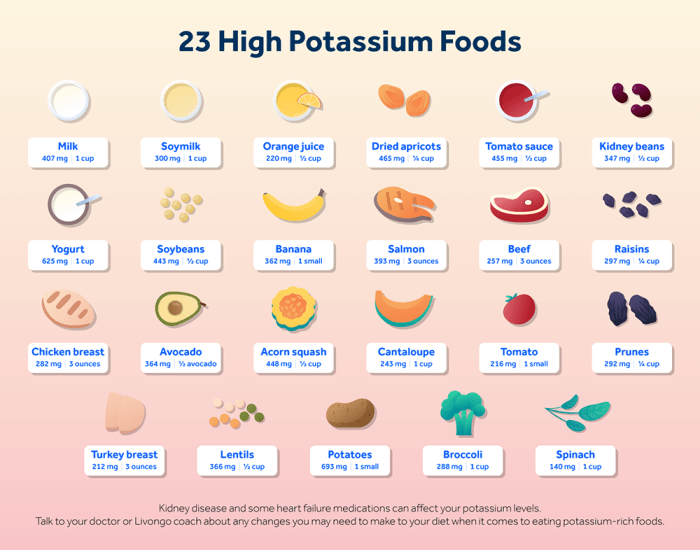
- Include potassium-rich foods such as bananas, sweet potatoes, white beans, and spinach in your daily diet to support bone health.
- Opt for low-fat dairy products like yogurt and milk, which are excellent sources of both calcium and potassium.
- Consider adding avocado, dried apricots, and acorn squash to your meals to increase your potassium intake and promote strong bones.
Muscle Mass and Nutrition
Potassium plays a crucial role in supporting muscle function and growth. Adequate potassium intake is essential for maintaining optimal muscle health and promoting muscle mass development.
Potassium-Rich Foods for Muscle Building
- Bananas: A popular source of potassium that can aid in muscle recovery and growth.
- Sweet Potatoes: Packed with potassium and carbohydrates to fuel workouts and support muscle building.
- Spinach: Rich in potassium and other nutrients that contribute to muscle health and strength.
- Avocado: Contains potassium and healthy fats that promote muscle repair and growth.
- Salmon: High in potassium and protein, essential for muscle maintenance and growth.
Dental Care and Nutrition
Good dental health is crucial for overall well-being, and nutrition plays a significant role in maintaining healthy teeth and gums. The connection between diet, particularly potassium-rich foods, and dental health is often overlooked but essential for a radiant smile.
Benefits of Potassium-Rich Foods for Oral Health
- Potassium helps strengthen bones, including the jawbone, which supports the teeth and maintains their alignment.
- Consuming potassium-rich foods can reduce the risk of periodontal disease by promoting healthy gum tissues.
- Potassium aids in saliva production, which helps wash away food particles and neutralize acids that can cause tooth decay.
- Include potassium-rich foods like bananas, sweet potatoes, spinach, and yogurt in your diet for improved oral health.
Tips for Maintaining Healthy Teeth and Gums Through Diet
- Limit sugary and acidic foods that can erode tooth enamel and contribute to cavities.
- Drink plenty of water throughout the day to keep your mouth hydrated and wash away bacteria.
- Include crunchy fruits and vegetables like apples and carrots in your diet, as they can help clean teeth naturally.
- Consider incorporating dairy products like cheese and milk, rich in calcium and phosphorus, to strengthen teeth.
Eye Health and Nutrition
Proper nutrition plays a crucial role in maintaining good eye health. The right balance of nutrients can help prevent eye diseases and support overall vision.
Potassium’s Role in Supporting Good Vision
Potassium is essential for maintaining healthy eyesight as it helps regulate fluid balance within the eye and supports proper nerve function. Adequate potassium levels can also help prevent conditions like glaucoma and cataracts.
- Leafy green vegetables like spinach and kale are excellent sources of potassium that can promote eye health.
- Bananas, sweet potatoes, and avocados are also rich in potassium and beneficial for maintaining good vision.
- Oranges and tomatoes are high in potassium and contain antioxidants that protect the eyes from damage caused by free radicals.
Mental Clarity and Nutrition
Good nutrition plays a crucial role in maintaining mental clarity and cognitive function. The foods we eat can have a significant impact on our brain health and overall mental well-being.
Influence of Diet on Mental Clarity
Our brain requires a constant supply of nutrients to function optimally. A balanced diet rich in essential vitamins, minerals, and antioxidants is essential for maintaining mental clarity and focus.
Link Between Potassium-Rich Foods and Cognitive Function
Potassium-rich foods, such as bananas, sweet potatoes, and spinach, play a key role in supporting cognitive function. Potassium helps regulate nerve signaling and neurotransmitter release in the brain, which can enhance memory, concentration, and overall brain function.
Tips for Enhancing Mental Clarity Through Nutrition
- Include Omega-3 fatty acids in your diet through sources like fatty fish, flaxseeds, and walnuts. Omega-3s are essential for brain health and can improve cognitive function.
- Stay hydrated by drinking plenty of water throughout the day. Dehydration can impair cognitive function and focus.
- Incorporate antioxidant-rich foods like berries, dark leafy greens, and nuts to protect brain cells from oxidative stress and inflammation.
- Avoid processed foods high in sugar and unhealthy fats, as they can lead to brain fog and cognitive decline.
- Consider adding brain-boosting herbs and spices like turmeric, rosemary, and ginkgo biloba to your meals for additional cognitive support.
Joint Flexibility and Nutrition
Maintaining joint flexibility is crucial for overall mobility and quality of life. A balanced diet plays a significant role in supporting joint health and flexibility. Potassium-rich foods can be particularly beneficial in this regard, as they help reduce inflammation and promote muscle function, both of which are essential for joint flexibility.
Foods that Promote Flexibility and Mobility
- Berries: Blueberries, strawberries, and raspberries are rich in antioxidants that help reduce inflammation in the joints.
- Fatty Fish: Salmon, mackerel, and sardines are high in omega-3 fatty acids, which can help reduce joint stiffness and improve flexibility.
- Leafy Greens: Spinach, kale, and collard greens are excellent sources of vitamins and minerals that support overall joint health.
- Nuts and Seeds: Almonds, walnuts, chia seeds, and flaxseeds provide essential nutrients like magnesium and omega-3 fatty acids that can help maintain joint flexibility.
Digestive Health and Nutrition
When it comes to digestive health, the role of potassium-rich foods cannot be overstated. These foods play a crucial role in maintaining a healthy digestive system and promoting overall well-being.
How Potassium-Rich Foods Benefit Digestive Health
- Potassium helps in regulating fluid balance in the body, which is essential for proper digestion.
- It also supports muscle contractions, including those involved in moving food through the digestive tract.
- Potassium-rich foods can help prevent constipation by promoting proper bowel movements.
Impact of Diet on Digestive Processes
- A diet high in processed foods and low in fiber can negatively impact digestion, leading to issues like bloating, gas, and constipation.
- Consuming a diet rich in potassium from fruits, vegetables, and whole grains can support healthy digestion and prevent digestive problems.
Tips for Improving Digestion with Potassium-Rich Foods
- Include potassium-rich foods like bananas, sweet potatoes, spinach, and avocados in your daily meals.
- Drink plenty of water throughout the day to help with the digestion of fiber from potassium-rich foods.
- Avoid excessive consumption of processed foods and opt for whole foods to support a healthy digestive system.
Detox Process and Nutrition
Potassium plays a crucial role in the body’s detoxification processes by supporting kidney function and aiding in the elimination of waste and toxins.
Consuming potassium-rich foods can help support detoxification by promoting proper kidney function and enhancing overall cellular function. Foods high in potassium can help maintain electrolyte balance and support the body’s natural detox processes.
Role of Potassium-Rich Foods in Supporting Detoxification
- Potassium-rich foods such as bananas, sweet potatoes, spinach, and avocados can aid in detoxification by supporting kidney function and promoting the elimination of toxins through urine.
- These foods help maintain proper fluid balance in the body, which is essential for flushing out toxins and waste products.
- Potassium also helps regulate blood pressure, which is important for overall cardiovascular health and detoxification processes.
Examples of Detox-Friendly Foods High in Potassium
- Bananas:Rich in potassium and fiber, bananas are a great detox food that can help regulate digestion and support kidney function.
- Sweet Potatoes:Packed with potassium, sweet potatoes are not only nutritious but also beneficial for detoxifying the body.
- Spinach:A powerhouse of nutrients, spinach is high in potassium and antioxidants that can aid in detoxification.
- Avocados:Loaded with healthy fats and potassium, avocados are excellent for supporting liver function and detox processes.
Blood Pressure Management
Potassium intake plays a crucial role in regulating blood pressure levels in the body. This mineral helps to counteract the effects of sodium, which can lead to high blood pressure if consumed in excess. By incorporating potassium-rich foods into your diet, you can effectively manage and control your blood pressure.
Link Between Potassium Intake and Blood Pressure Regulation
Potassium acts as a vasodilator, meaning it helps to relax the walls of blood vessels, allowing for easier blood flow. This process helps to lower blood pressure and reduce the strain on the cardiovascular system. Additionally, potassium helps to balance out the negative effects of sodium, which can cause blood pressure to rise.
Benefits of Potassium-Rich Foods for Managing High Blood Pressure
- Include foods such as bananas, sweet potatoes, spinach, and avocados in your diet to increase potassium intake.
- These foods not only provide essential nutrients but also help to regulate blood pressure effectively.
- By incorporating a variety of potassium-rich foods into your meals, you can support overall heart health and reduce the risk of hypertension.
Incorporating Potassium into a Balanced Diet for Blood Pressure Control
- Opt for fresh fruits and vegetables as snacks or side dishes to increase your potassium intake throughout the day.
- Consider adding potassium-rich herbs and spices like parsley, basil, and turmeric to your meals for an extra boost.
- Be mindful of your overall sodium intake, as high levels of sodium can counteract the benefits of potassium for blood pressure regulation.
Heart Rate and Nutrition
Potassium plays a crucial role in influencing heart rate and maintaining cardiovascular health. Adequate levels of potassium help regulate the electrical impulses that control the heartbeat, ensuring a steady and healthy heart rate.
Benefits of Potassium-Rich Foods for Heart Health
Eating potassium-rich foods can have numerous benefits for heart health, including:
- Lowering blood pressure: Potassium helps to counteract the effects of sodium, which can contribute to high blood pressure.
- Reducing the risk of stroke: Potassium has been linked to a lower risk of stroke, particularly in older adults.
- Supporting overall cardiovascular function: Potassium helps maintain the proper function of the heart muscle and supports a healthy cardiovascular system.
Examples of Heart-Healthy Foods Rich in Potassium
Include the following heart-healthy foods in your diet to boost your potassium intake:
- Bananas: Known for their high potassium content, bananas are a convenient and delicious way to increase your potassium levels.
- Sweet potatoes: Packed with potassium and other essential nutrients, sweet potatoes are a nutritious choice for heart health.
- Spinach: This leafy green vegetable is not only rich in potassium but also provides antioxidants and fiber for heart health.
Health Screenings Importance
Regular health screenings play a crucial role in preventive healthcare by helping individuals detect potential health issues early on. These screenings are essential for maintaining overall well-being and catching any problems before they progress.
Role of Screenings in Early Detection
- Health screenings can identify risk factors for diseases such as diabetes, high blood pressure, and certain types of cancer.
- Early detection through screenings allows for timely intervention and treatment, increasing the chances of successful outcomes.
- Screenings can also help individuals make lifestyle changes to reduce their risk of developing chronic conditions.
Common Health Screenings and Benefits
- Blood Pressure Measurement: Regular blood pressure checks can help monitor cardiovascular health and prevent complications.
- Cholesterol Screening: Assessing cholesterol levels can aid in preventing heart disease and stroke.
- Colorectal Cancer Screening: Detecting colon cancer early through screenings can significantly improve survival rates.
- Mammograms: Regular mammograms are vital for the early detection of breast cancer in women.
- Prostate-Specific Antigen (PSA) Test: This screening can help detect prostate cancer early in men.
Vaccination Programs and Public Health
Vaccination programs play a crucial role in maintaining public health by preventing the spread of infectious diseases. These programs are designed to provide immunity to individuals against various harmful pathogens, ultimately reducing the risk of outbreaks and protecting the community as a whole.
Importance of Vaccination Programs
Vaccination programs are essential for creating herd immunity, where a significant portion of the population is immunized, making it difficult for diseases to spread. This not only protects those who are vaccinated but also vulnerable individuals who cannot receive vaccinations due to health reasons.
By preventing the transmission of diseases, vaccination programs help save lives and reduce the burden on healthcare systems.
- Vaccinations protect against serious illnesses such as measles, polio, and influenza.
- They contribute to the eradication of diseases like smallpox and are essential in the fight against emerging infectious diseases.
- Immunizations are cost-effective and have long-term benefits for both individuals and society.
Impact of Vaccinations on Public Health
The impact of vaccinations on public health is profound, as they have led to a significant decrease in the incidence of many infectious diseases. Through widespread vaccination campaigns, the prevalence of once-common illnesses has been dramatically reduced, improving overall health and well-being in communities worldwide.
- Vaccinations have helped prevent epidemics and pandemics, saving countless lives.
- They have played a critical role in increasing life expectancy and reducing child mortality rates.
- Vaccination programs have been instrumental in achieving global health goals and promoting a healthier population.
Role of Vaccinations in Controlling Infectious Diseases
Vaccinations are a key tool in controlling infectious diseases by boosting immunity and reducing the transmission of pathogens. By stimulating the body’s immune response, vaccines prepare individuals to fight off specific infections, effectively breaking the chain of disease transmission and protecting vulnerable populations.
- Vaccines create a barrier against the spread of infectious agents, limiting their impact on public health.
- They help prevent the emergence of antibiotic-resistant strains of bacteria and reduce the need for extensive medical interventions.
- Vaccination programs are essential for maintaining population health and minimizing the risk of disease outbreaks.
Healthy Habits for Well-being
Maintaining healthy habits is crucial for promoting overall well-being. These habits not only improve physical health but also contribute to mental and emotional wellness. By incorporating healthy practices into your daily routine, you can experience numerous benefits that enhance your quality of life.
Key Healthy Habits
- Adequate Sleep: Getting 7-9 hours of quality sleep each night supports proper brain function, emotional well-being, and overall health.
- Regular Exercise: Engaging in physical activity helps boost mood, increase energy levels, and reduce the risk of chronic diseases.
- Balanced Diet: Consuming a variety of nutrient-rich foods provides essential vitamins and minerals for optimal health.
- Hydration: Drinking an adequate amount of water daily promotes digestion, circulation, and overall bodily functions.
- Stress Management: Practicing relaxation techniques, mindfulness, and hobbies can reduce stress levels and improve mental clarity.
Benefits of Cultivating Healthy Habits
- Improved Physical Health: Healthy habits reduce the risk of diseases such as heart disease, diabetes, and obesity.
- Enhanced Mental Well-being: Practicing self-care and healthy habits can boost mood, reduce anxiety, and improve cognitive function.
- Increased Energy Levels: A healthy lifestyle leads to higher energy levels, better focus, and increased productivity.
- Longevity: By adopting healthy habits, individuals can potentially increase their lifespan and enjoy a higher quality of life in their later years.
Tips for Developing and Maintaining a Healthy Lifestyle
- Start Small: Begin by making small changes to your daily routine, such as adding more fruits and vegetables to your meals or taking short walks.
- Set Realistic Goals: Establish achievable goals for yourself, whether it’s exercising a certain number of times per week or cutting back on sugary beverages.
- Stay Consistent: Consistency is key to forming habits. Stick to your healthy practices even on challenging days to maintain progress.
- Seek Support: Surround yourself with friends, family, or a support group that encourages and motivates you to prioritize your well-being.
Balanced Hormones and Diet
The food we eat plays a crucial role in maintaining hormonal balance within our bodies. A diet rich in nutrients can help support the proper functioning of our hormones, which are essential for various bodily processes.
Role of Potassium-Rich Foods in Supporting Hormonal Health
Potassium-rich foods are key in supporting hormonal health due to their ability to regulate blood pressure and fluid balance in the body. Potassium helps to counteract the effects of sodium, which can contribute to hormonal imbalances. By including potassium-rich foods in your diet, you can help keep your hormones in check and promote overall well-being.
- Bananas: Known for their high potassium content, bananas are a great option for maintaining hormonal balance.
- Sweet potatoes: Packed with potassium, sweet potatoes are not only delicious but also beneficial for supporting hormonal health.
- Avocados: Another excellent source of potassium, avocados can help regulate hormones and promote overall health.
- Spinach: This leafy green vegetable is rich in potassium and other essential nutrients that support hormonal balance.
Health Coaching Benefits
Health coaching plays a crucial role in helping individuals achieve their wellness goals by providing personalized guidance and support. Through one-on-one sessions, health coaches empower clients to make positive changes in their lifestyle, leading to improved overall health and well-being.
Advantages of Health Coaching
- Personalized Support: Health coaches tailor their approach to meet the unique needs and goals of each individual, providing personalized guidance for sustainable lifestyle changes.
- Accountability: By holding clients accountable for their actions and progress, health coaches help them stay motivated and committed to their wellness journey.
- Behavior Change: Health coaching focuses on identifying and modifying unhealthy behaviors, fostering long-lasting habits that promote better health outcomes.
- Empowerment: Through education and empowerment, health coaches equip clients with the knowledge and skills needed to take control of their health and make informed decisions.
Successful Health Coaching Programs
- The National Diabetes Prevention Program: This evidence-based program has shown significant success in helping individuals at risk for type 2 diabetes achieve weight loss and improve their overall health.
- Corporate Wellness Programs: Many companies offer health coaching as part of their employee wellness initiatives, leading to reduced healthcare costs and increased productivity among employees.
- Community Health Initiatives: Health coaching programs implemented in communities have been effective in addressing various health issues, such as obesity, smoking cessation, and stress management.
Fitness Goals and Nutrition
Proper nutrition plays a crucial role in achieving fitness goals as it provides the necessary fuel for physical activity, muscle repair, and overall performance. Including a balance of nutrients in your diet is essential for maximizing workout effectiveness and supporting recovery.
Importance of Nutrition in Fitness
Nutrition is the foundation of any fitness regimen, as it directly impacts energy levels, muscle growth, and recovery. Consuming the right balance of macronutrients (carbohydrates, protein, and fats) and micronutrients (vitamins and minerals) is key to optimizing physical performance and reaching fitness goals.
- Carbohydrates provide energy for workouts, protein supports muscle repair and growth, and healthy fats aid in hormone production and nutrient absorption.
- Vitamins and minerals like potassium play a crucial role in muscle function, hydration, and overall health, making them essential for sustained exercise and recovery.
- Proper hydration is also vital for maintaining endurance, regulating body temperature, and supporting nutrient delivery to muscles during workouts.
Potassium-Rich Foods for Physical Performance and Recovery
Incorporating potassium-rich foods into your diet can enhance physical performance and aid in post-workout recovery by supporting muscle function and electrolyte balance.
- Potassium helps regulate fluid balance in the body, preventing dehydration and muscle cramps during exercise.
- Foods like bananas, sweet potatoes, spinach, and yogurt are excellent sources of potassium and can be included in pre-workout snacks or post-exercise meals to replenish electrolytes and support muscle recovery.
- Including a variety of potassium-rich foods in your diet can help maintain optimal muscle function, reduce fatigue, and improve overall exercise performance.
Tips for Fueling Workouts with the Right Nutrients, Benefits of potassium-rich foods for blood pressure regulation
To maximize the benefits of nutrition for fitness goals, consider the following tips for fueling your workouts with the right balance of nutrients:
- Eat a balanced meal or snack containing carbohydrates, protein, and healthy fats 1-2 hours before exercise to provide sustained energy and support muscle repair.
- Stay hydrated by drinking water before, during, and after workouts to maintain performance and prevent dehydration.
- Incorporate potassium-rich foods like avocados, oranges, and leafy greens into your meals to support muscle function, hydration, and recovery.
- Consider consulting a nutritionist or dietitian to develop a personalized meal plan that aligns with your fitness goals and provides optimal nutrition for exercise performance.
Diet Planning for Health
Proper diet planning plays a crucial role in maintaining optimal health and well-being. By creating a balanced and nutritious meal plan, individuals can ensure they are getting the essential nutrients their body needs to function at its best.
The Role of Potassium in Diet Planning
Potassium is a vital mineral that helps regulate fluid balance, muscle contractions, and nerve signals in the body. Including potassium-rich foods in your diet can help lower blood pressure, reduce the risk of stroke, and support overall heart health.
- Some excellent sources of potassium include bananas, sweet potatoes, spinach, avocados, and white beans.
- It is recommended to aim for around 4,700 milligrams of potassium per day for adults to maintain optimal health.
- Combining potassium-rich foods with other essential nutrients like fiber, vitamins, and minerals can help create a well-rounded diet plan.
Health Supplements and Nutrient Support
Health supplements play a crucial role in supporting overall well-being by providing essential nutrients that may be lacking in our diets. They can help fill nutrient gaps and support various bodily functions to maintain optimal health.
Common Health Supplements and Their Benefits
- Vitamin D: Supports bone health, immune function, and mood regulation.
- Omega-3 Fatty Acids: Promotes heart health, brain function, and may reduce inflammation.
- Probiotics: Improves gut health, digestion, and boosts immune system.
- Calcium: Essential for bone health, muscle function, and nerve transmission.
Role of Supplements in Filling Nutrient Gaps
Supplements can be beneficial for individuals who have dietary restrictions, nutrient deficiencies, or specific health conditions that require additional support. They can help bridge the gap between what we eat and what our bodies need to function optimally.
Considerations for Choosing and Using Health Supplements Effectively
- Consult with a healthcare provider or nutritionist to determine your specific nutrient needs.
- Choose high-quality supplements from reputable brands to ensure safety and efficacy.
- Follow dosage instructions carefully and avoid taking excessive amounts of supplements.
- Monitor your body’s response to supplements and adjust as needed based on your health goals.
Breathing Techniques for Relaxation
Breathing techniques are a powerful tool for reducing stress and promoting relaxation. Proper breathing can have a significant impact on overall health and well-being by calming the mind, reducing anxiety, and improving focus.
Benefits of Breathing Techniques
- Improves oxygen flow to the brain and body, promoting mental clarity and alertness.
- Reduces stress hormones in the body, leading to a sense of calm and relaxation.
- Helps lower blood pressure and heart rate, promoting cardiovascular health.
- Enhances mindfulness and awareness of the present moment, reducing negative thinking patterns.
How to Practice Breathing Exercises
- Find a quiet and comfortable place to sit or lie down.
- Close your eyes and focus on your breath, taking slow, deep breaths in through your nose and out through your mouth.
- Place one hand on your chest and the other on your abdomen to feel the rise and fall with each breath.
- Continue breathing deeply and rhythmically, allowing your body to relax with each exhale.
- Practice for 5-10 minutes daily or whenever you feel stressed or anxious to reap the benefits of relaxation.
Disease Prevention Strategies
Preventing common diseases is crucial for maintaining overall health and well-being. By making conscious lifestyle choices and adopting preventive measures, individuals can significantly reduce the risk of developing chronic conditions. Key strategies for disease prevention involve a combination of nutrition, exercise, and other factors.
Role of Nutrition in Disease Prevention
- Eating a balanced diet rich in fruits, vegetables, whole grains, and lean proteins can help boost the immune system and reduce the risk of various diseases.
- Consuming foods high in antioxidants, such as berries, nuts, and seeds, can help fight inflammation and protect against oxidative stress.
- Limiting the intake of processed foods, sugary beverages, and saturated fats can lower the risk of obesity, diabetes, and heart disease.
- Ensuring adequate intake of essential nutrients like vitamins, minerals, and omega-3 fatty acids can support overall health and disease prevention.
Role of Exercise in Disease Prevention
- Regular physical activity, such as aerobic exercises, strength training, and flexibility exercises, can improve cardiovascular health, strengthen muscles, and enhance overall fitness levels.
- Engaging in activities like walking, swimming, cycling, or yoga can help reduce the risk of chronic conditions like hypertension, diabetes, and osteoporosis.
- Maintaining an active lifestyle and incorporating exercise into daily routines can boost metabolism, promote weight management, and improve mental well-being.
Other Factors in Disease Prevention
- Getting an adequate amount of sleep, practicing stress-management techniques, and avoiding harmful habits like smoking and excessive alcohol consumption can contribute to disease prevention.
- Regular health screenings, vaccinations, and preventive healthcare visits play a crucial role in early detection and prevention of diseases.
- Maintaining a healthy body weight, managing chronic conditions effectively, and staying informed about potential health risks can help individuals take proactive steps towards disease prevention.
Pain Management Techniques
Managing pain effectively is crucial for improving quality of life. While medical treatments play a significant role, incorporating nutrition and lifestyle changes can also aid in pain relief. Natural pain management techniques can complement traditional approaches and provide holistic support for individuals dealing with various types of pain.
Natural Remedies for Pain Relief
- Exercise: Regular physical activity can help reduce pain by releasing endorphins, the body’s natural painkillers.
- Herbal Remedies: Plants like turmeric, ginger, and chamomile have anti-inflammatory properties that can alleviate pain.
- Acupuncture: This traditional Chinese practice involves inserting thin needles into specific points on the body to relieve pain and improve energy flow.
- Massage Therapy: Massages can help relax muscles, improve circulation, and reduce tension, leading to pain relief.
Nutrition and Pain Management
- Anti-Inflammatory Foods: Incorporating foods rich in omega-3 fatty acids, such as salmon and walnuts, can help reduce inflammation and pain.
- Vitamin D: Adequate levels of vitamin D have been associated with lower levels of pain and can be obtained through sunlight exposure and dietary sources.
- Magnesium: This mineral plays a crucial role in muscle relaxation and can help alleviate pain associated with muscle cramps and tension.
Lifestyle Changes for Pain Relief
- Stress Management: Practicing relaxation techniques like deep breathing, meditation, and yoga can help reduce stress-related pain.
- Sleep Hygiene: Getting sufficient sleep and maintaining a consistent sleep schedule can aid in pain management and promote overall well-being.
- Hydration: Staying hydrated is essential for joint health and can help reduce pain associated with conditions like arthritis.
Holistic Treatments for Well-being
Holistic treatments focus on treating the whole person, including the physical, mental, emotional, and spiritual aspects of an individual. By addressing all these aspects, holistic approaches aim to promote overall well-being and improve the quality of life.
Benefits of Holistic Approaches to Health and Healing
- Holistic treatments consider the root cause of health issues rather than just treating symptoms, leading to long-lasting results.
- They emphasize preventive care, helping individuals maintain good health and reduce the risk of future illnesses.
- Holistic therapies often involve natural and non-invasive methods, reducing the reliance on medications and their potential side effects.
- By promoting balance and harmony within the body, mind, and spirit, holistic approaches can enhance overall well-being and quality of life.
Examples of Holistic Therapies for Holistic Well-being
- Acupuncture: This traditional Chinese medicine practice involves inserting thin needles into specific points on the body to promote energy flow and restore balance.
- Yoga: A combination of physical postures, breathing exercises, and meditation, yoga helps improve flexibility, reduce stress, and enhance overall well-being.
- Mindfulness Meditation: By focusing on the present moment without judgment, mindfulness meditation can reduce stress, anxiety, and improve mental clarity.
- Herbal Medicine: Using plants and herbs for their medicinal properties, herbal medicine can support the body’s natural healing processes and promote health and well-being.
Mental Resilience and Emotional Health
Mental resilience plays a vital role in how we cope with challenges and navigate the ups and downs of life. It encompasses our ability to bounce back from setbacks, adapt to change, and maintain a positive outlook even in difficult circumstances.
Building emotional well-being and resilience is essential for overall mental health and can help us manage stress more effectively.
Importance of Mental Resilience
Having strong mental resilience allows individuals to face adversity with courage and perseverance. It helps in developing a growth mindset, enhancing problem-solving skills, and fostering a sense of inner strength. Resilient individuals are better equipped to handle stress, overcome obstacles, and maintain a sense of balance and well-being.
Strategies for Enhancing Emotional Well-being
- Practice mindfulness and meditation to increase self-awareness and reduce stress.
- Cultivate a strong support network of friends and family for emotional support.
- Engage in regular physical exercise to boost mood and reduce anxiety.
- Develop healthy coping mechanisms such as journaling, deep breathing, or seeking professional help when needed.
Tips for Building Mental Toughness
- Set realistic goals and break them down into manageable steps to build confidence.
- Embrace challenges as opportunities for growth and learning rather than insurmountable obstacles.
- Practice self-compassion and avoid negative self-talk that undermines your confidence.
- Focus on your strengths and past successes to build resilience in the face of adversity.
Epilogue
In conclusion, the discussion on the benefits of potassium-rich foods for blood pressure regulation emphasizes the essential role of potassium in maintaining cardiovascular health. By incorporating these foods into your diet, you can take proactive steps towards managing your blood pressure effectively and promoting overall well-being.
User Queries
How does potassium help in regulating blood pressure?
Potassium helps regulate blood pressure by balancing the effects of sodium in the body, relaxing blood vessel walls, and reducing the risk of hypertension.
What are some examples of potassium-rich foods?
Examples of potassium-rich foods include bananas, sweet potatoes, spinach, avocados, and beans.
Can potassium-rich foods alone lower blood pressure levels?
While potassium-rich foods play a significant role in blood pressure regulation, it is essential to maintain a well-rounded diet and healthy lifestyle for optimal results.