Starting with the Importance of lung function screenings, this paragraph aims to provide a captivating overview of the significance of regular screenings in monitoring respiratory health and detecting conditions early on.
Regular lung function screenings play a crucial role in maintaining overall well-being by enabling early detection of potential health issues. By monitoring respiratory health, individuals can take proactive steps to address any concerns and maintain a healthy lifestyle.
Importance of Lung Function Screenings
Regular lung function screenings play a crucial role in maintaining optimal respiratory health by enabling early detection of potential issues. These screenings are essential for individuals of all ages, especially those at higher risk due to factors such as smoking, occupational exposure, or a family history of respiratory conditions.
Early Detection Through Lung Function Screenings
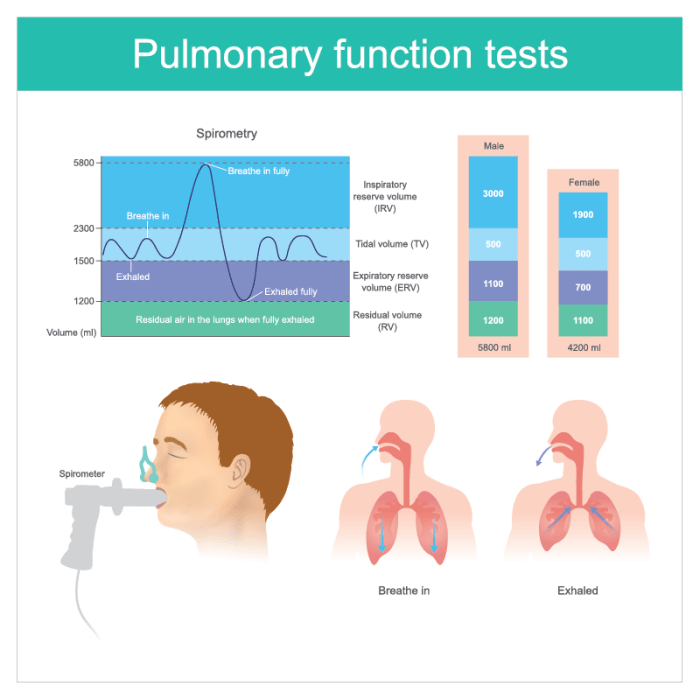
Lung function screenings are vital for detecting respiratory problems at their earliest stages when treatment is most effective. Conditions such as asthma, chronic obstructive pulmonary disease (COPD), and pulmonary fibrosis can be identified through these screenings before they progress to more severe stages.
Monitoring Respiratory Health
Regular lung function screenings allow healthcare providers to monitor changes in lung function over time, providing valuable insights into the effectiveness of treatment plans and the progression of respiratory conditions. This proactive approach helps in adjusting treatment strategies promptly to ensure optimal respiratory health.
Proactive vs. Reactive Screenings
Proactive lung function screenings involve regular testing as a preventive measure to detect any abnormalities early on, even in the absence of symptoms. On the other hand, reactive screenings are conducted in response to symptoms or known risk factors, often when the condition has already progressed.
Proactive screenings offer the advantage of early intervention and better management of respiratory conditions.
Conditions Detected Through Lung Function Screenings
- Asthma: Lung function screenings can help in diagnosing asthma by measuring lung capacity and airflow.
- COPD: Screening tests such as spirometry are effective in detecting COPD, allowing for timely management.
- Pulmonary Fibrosis: Changes in lung function patterns can indicate the presence of pulmonary fibrosis, prompting further evaluation and treatment.
- Lung Cancer: Lung function screenings can sometimes reveal abnormalities that may indicate the presence of lung cancer, leading to further diagnostic tests.
Wellness Programs
Wellness programs play a crucial role in promoting overall health and well-being by focusing on preventive measures and encouraging healthy lifestyle choices.
Components of a Comprehensive Wellness Program
- Health Assessments: Regular screenings and assessments to identify potential health risks.
- Nutrition Counseling: Guidance on healthy eating habits and meal planning.
- Physical Activity: Exercise programs tailored to individual needs and fitness levels.
- Mental Health Support: Resources for stress management and emotional well-being.
- Smoking Cessation Programs: Assistance for those looking to quit smoking.
Impact of Wellness Programs on Overall Health and Well-being
- Reduce Healthcare Costs: By preventing chronic diseases and promoting healthier lifestyles.
- Improve Employee Productivity: Healthier employees are more engaged and productive at work.
- Enhance Quality of Life: By addressing physical, mental, and emotional well-being.
Role of Wellness Programs in Promoting Healthy Lifestyle Choices
- Education: Providing information on nutrition, exercise, and stress management.
- Support: Creating a supportive environment for individuals to make positive changes.
- Accountability: Setting goals and tracking progress to encourage consistency.
Examples of Activities in Wellness Programs
- Yoga Classes
- Nutrition Workshops
- Team Walking Challenges
- Mental Health Seminars
- On-site Flu Shots
Herbal Remedies
Herbal remedies have been used for centuries to promote respiratory health and support lung function. These natural remedies are derived from plants and herbs known for their therapeutic properties.
When it comes to lung care routines, incorporating herbal remedies can provide a range of benefits such as reducing inflammation, clearing congestion, and supporting overall respiratory health.
Examples of Herbs for Lung Health
- Eucalyptus:Known for its decongestant and anti-inflammatory properties, eucalyptus can help clear the airways and promote easier breathing.
- Peppermint:Peppermint is often used to relieve respiratory symptoms like coughs and congestion, thanks to its soothing effects on the throat and airways.
- Ginger:Ginger has anti-inflammatory properties that can help reduce inflammation in the lungs and improve overall respiratory function.
Precautions for Using Herbal Remedies
- Consult a Healthcare Provider:Before incorporating any herbal remedy into your lung care routine, it’s important to consult with a healthcare provider, especially if you have any underlying health conditions or are taking medications.
- Quality of Herbs:Ensure that the herbs you use are of high quality and sourced from reputable sources to avoid any potential contaminants or adverse effects.
- Monitor for Allergic Reactions:Be vigilant for any signs of allergic reactions when using herbal remedies and discontinue use if you experience any adverse effects.
Skin Health
Skin health is closely linked to lung function, as the oxygen we breathe in is essential for maintaining healthy skin. Proper lung function ensures that our body receives an adequate supply of oxygen, which plays a vital role in skin appearance and vitality.
Impact of Proper Lung Function on Skin
- Healthy lung function promotes good circulation, delivering oxygen-rich blood to the skin cells. This helps in cell regeneration and repair, leading to a youthful and glowing complexion.
- Proper lung function aids in detoxification by eliminating harmful toxins from the body. This can prevent skin issues like acne, dullness, and premature aging.
- Well-oxygenated blood from healthy lungs can improve collagen production, maintaining skin elasticity and firmness.
Maintaining Healthy Skin through Lung Care Practices
- Practice deep breathing exercises to improve lung capacity and oxygen intake.
- Stay hydrated to keep your skin moisturized and support the body’s detoxification process.
- Eat a balanced diet rich in antioxidants, vitamins, and minerals to promote overall skin health.
- Avoid smoking and exposure to pollutants that can harm lung function and consequently affect skin health.
Effects of Poor Lung Function on Skin Conditions
- Poor lung function can lead to a lack of oxygen reaching the skin cells, resulting in dullness, dryness, and a tired complexion.
- Decreased oxygen supply may cause skin to appear sallow and less vibrant, with a higher likelihood of developing wrinkles and fine lines.
- Impaired lung function can contribute to inflammation in the body, exacerbating skin conditions like eczema, psoriasis, and acne.
Bone Density
When it comes to bone health, the relationship between lung function and bone density is often overlooked. However, there is a significant connection between the two that should not be ignored.
Healthy lungs play a crucial role in maintaining strong and dense bones. This is because the lungs are responsible for providing oxygen to the body, which is essential for bone metabolism and growth. When lung function is compromised, it can lead to decreased oxygen levels in the body, affecting bone health and density.
Enhancing Bone Density through Respiratory Exercises
- Perform deep breathing exercises: Deep breathing can help improve lung capacity, which in turn can enhance oxygen flow to the bones.
- Practice yoga: Yoga poses that focus on breathing techniques can strengthen the respiratory muscles and improve lung function.
- Aerobic exercises: Engaging in regular aerobic activities can boost lung function and promote better oxygen circulation throughout the body.
Impact of Lung Conditions on Bone Health
- Chronic obstructive pulmonary disease (COPD): Conditions like COPD can lead to decreased lung function, impacting oxygen levels in the body and potentially weakening bones over time.
- Asthma: Severe asthma attacks can affect lung function, leading to decreased oxygen supply to the bones and potentially impacting bone density.
- Cystic fibrosis: Individuals with cystic fibrosis may experience nutritional deficiencies and poor absorption of essential vitamins and minerals, which can affect bone health.
Muscle Mass
When it comes to muscle mass, the connection between lung function and muscle health is often overlooked. However, respiratory health plays a crucial role in muscle growth and maintenance.
Impact of Respiratory Health on Muscle Growth
Proper lung function is essential for supplying oxygen to our muscles during physical activity. When our lungs are not functioning optimally, it can lead to decreased oxygen delivery to the muscles, affecting their ability to grow and repair efficiently.
- Regular cardiovascular exercises like running, swimming, or cycling can help improve lung function and increase muscle mass.
- Strength training exercises such as weightlifting and resistance training can also contribute to muscle growth while enhancing lung capacity.
- Yoga and Pilates focus on proper breathing techniques, which can aid in strengthening the respiratory muscles and improving overall lung function.
Importance of Proper Breathing Techniques in Muscle Development
Proper breathing techniques are essential for maximizing the effectiveness of workouts and promoting muscle growth. By learning how to breathe correctly during exercise, individuals can enhance oxygen intake, improve endurance, and support muscle development.
Dental Care
Maintaining good dental health is crucial for overall well-being, and the importance of lung function in dental care cannot be overlooked. The lungs play a vital role in providing oxygen to the body, including the tissues in the oral cavity.
Here, we will explore the impact of respiratory conditions on oral hygiene and provide tips on how proper lung care can contribute to good dental health.
Importance of Lung Function in Dental Health
- Proper lung function ensures an adequate supply of oxygen to the oral tissues, promoting healthy gums and teeth.
- Inadequate oxygen levels due to respiratory conditions can lead to dry mouth, which increases the risk of tooth decay and gum disease.
- Good lung health supports the body’s immune system, helping to fight off oral infections and maintain overall oral health.
Impact of Respiratory Conditions on Oral Hygiene
- Respiratory conditions like asthma or COPD can result in breathing difficulties, leading to mouth breathing which can dry out the mouth.
- Dry mouth decreases saliva production, which is essential for neutralizing acids and protecting teeth from decay.
- Poor lung function can also affect the body’s ability to heal oral wounds, increasing the risk of infections after dental procedures.
Tips for Maintaining Good Dental Health through Proper Lung Care
- Practice deep breathing exercises to improve lung function and oxygen circulation throughout the body.
- Stay hydrated to prevent dry mouth and promote saliva production for oral health.
- Follow a balanced diet rich in vitamins and minerals to support both lung and oral health.
Connection between Breathing Patterns and Dental Issues
- Poor breathing patterns, such as shallow breathing or mouth breathing, can impact the oral microbiome and increase the risk of gum disease.
- Improper breathing can contribute to stress and tension, leading to teeth grinding and jaw clenching which can damage the teeth.
- By improving breathing techniques and lung function, individuals can enhance their overall oral health and well-being.
Eye Health
Maintaining good lung function is essential for overall health, including eye health. The connection between lung function and eye health may not be immediately apparent, but the two are intricately linked. Respiratory health plays a crucial role in eye conditions such as glaucoma, cataracts, and age-related macular degeneration.
Proper lung function ensures an adequate oxygen supply to the eyes, promoting optimal eye function and reducing the risk of eye diseases.
Improving Eye Health through Lung Care Practices
- Practice deep breathing exercises to enhance lung capacity and oxygen flow to the eyes.
- Avoid smoking and exposure to secondhand smoke, as it can damage both lung health and eye health.
- Maintain a healthy diet rich in antioxidants and nutrients that support both lung and eye health.
- Stay hydrated to promote overall well-being, including eye moisture and lubrication.
Effects of Lung Diseases on Vision and Eye Health
- Lung diseases such as chronic obstructive pulmonary disease (COPD) can lead to decreased oxygen levels in the blood, affecting eye function.
- Individuals with respiratory conditions may experience dry eyes or irritation due to reduced tear production caused by breathing difficulties.
- In severe cases, lung diseases can impact overall circulation, including blood flow to the eyes, leading to vision problems.
Mental Clarity
Proper lung function plays a crucial role in maintaining mental clarity and cognitive function. Efficient lung function ensures an adequate oxygen supply to the brain, promoting optimal brain function and mental sharpness.
Enhancing Mental Focus with Proper Breathing Techniques
- Diaphragmatic Breathing: Also known as deep belly breathing, this technique involves breathing deeply into the diaphragm to increase oxygen intake and improve focus.
- Alternate Nostril Breathing: This yogic breathing exercise helps balance the right and left hemispheres of the brain, enhancing concentration and mental clarity.
- Box Breathing: Inhaling, holding, exhaling, and holding the breath in equal counts can calm the mind, reduce stress, and improve cognitive function.
Exercises for Promoting Mental Clarity through Improved Lung Function
- Cardiovascular Exercise: Activities like brisk walking, running, or cycling can strengthen the lungs and improve oxygen flow to the brain, enhancing mental clarity.
- Yoga and Pilates: These practices focus on controlled breathing techniques that can increase lung capacity and promote mindfulness, leading to improved cognitive abilities.
Impact of Respiratory Conditions on Cognitive Abilities
Respiratory conditions such as asthma, chronic obstructive pulmonary disease (COPD), or even allergies can significantly impact cognitive abilities due to reduced oxygen supply to the brain. Individuals suffering from such conditions may experience brain fog, difficulty concentrating, and memory issues.
It is essential to manage respiratory health to preserve cognitive function and maintain mental clarity.
Joint Flexibility
Maintaining healthy joints is crucial for overall mobility and quality of life. Lung function plays a vital role in supporting joint flexibility and mobility. Let’s explore how respiratory health can impact joint flexibility and ways to keep your joints healthy through proper breathing exercises.
Connection between Lung Function and Joint Flexibility
Proper lung function ensures that your body receives an adequate supply of oxygen, which is essential for maintaining healthy joints. Oxygen is crucial for the repair and maintenance of cartilage and connective tissues that support joint movement. Any impairment in lung function can lead to decreased oxygen levels in the body, affecting joint health and flexibility.
Impact of Respiratory Health on Joint Mobility
Respiratory conditions such as asthma, COPD, or even poor breathing habits can limit the amount of oxygen reaching your joints, leading to stiffness and reduced range of motion. By improving lung function through exercises like deep breathing, you can enhance oxygen delivery to your joints, promoting flexibility and mobility.
Tips for Healthy Joints through Breathing Exercises
- Practice deep breathing exercises daily to improve lung capacity and oxygen intake.
- Incorporate yoga or Pilates into your routine to enhance flexibility and strengthen supportive muscles around the joints.
- Stay hydrated to keep your joints lubricated and flexible.
- Maintain a healthy weight to reduce pressure on your joints and improve overall mobility.
Importance of Lung Function in Preventing Joint Stiffness, Importance of lung function screenings
Healthy lung function is essential for preventing joint stiffness and maintaining joint flexibility. By ensuring proper oxygen supply to your joints, you can reduce the risk of inflammation, pain, and stiffness, promoting overall joint health and mobility.
Digestive Health
When it comes to digestive health, the influence of lung function should not be overlooked. The respiratory system plays a crucial role in ensuring proper digestion and gastrointestinal function.
Impact of Lung Function on Digestive Health
- Proper lung function is essential for supplying oxygen to the bloodstream, which is then carried to various organs including the digestive system.
- Inadequate oxygen levels due to respiratory issues can lead to a decrease in digestive enzymes production, affecting the overall digestive process.
- Efficient lung function helps in maintaining a healthy metabolism, which is crucial for proper digestion and absorption of nutrients.
Improving Digestive Health through Lung Care Practices
- Regular exercise and deep breathing techniques can help improve lung function, thereby promoting better oxygen supply to the digestive organs.
- Avoiding smoking and exposure to pollutants can prevent respiratory issues that may impact digestion.
- Eating a balanced diet rich in fruits, vegetables, and fiber can support both lung and digestive health simultaneously.
Link between Breathing Patterns and Digestive Disorders
- Poor breathing habits, such as shallow breathing or holding your breath, can disrupt the balance of gases in the body and lead to digestive problems like bloating and indigestion.
- Stress-induced breathing patterns can trigger digestive disorders like irritable bowel syndrome (IBS) or acid reflux.
- Practicing mindful breathing techniques and relaxation exercises can help maintain a healthy connection between lung function and digestive health.
Detox Process
When it comes to the body’s detoxification process, lung function plays a crucial role in eliminating toxins and maintaining overall health.
Role of Lung Function in Detoxification
- Healthy lung function is essential for oxygen exchange in the body, which is necessary for various detoxification pathways.
- Efficient breathing helps in removing carbon dioxide and other waste gases from the body, aiding in toxin elimination.
- Poor lung function can lead to inadequate oxygen supply, hindering the detox process and potentially causing toxin buildup.
Supporting Healthy Lung Function for Detoxification
- Regular exercise and deep breathing techniques can help improve lung capacity and function, enhancing the body’s ability to detoxify.
- Maintaining good posture and avoiding exposure to pollutants and cigarette smoke can also support healthy lung function.
- Adequate hydration and a balanced diet rich in antioxidants can further promote lung health and detoxification.
Effects of Impaired Lung Function on Detox Pathways
- Impaired lung function can slow down the detox process, leading to a buildup of toxins in the body and potentially causing health issues.
- Individuals with respiratory conditions like asthma or COPD may experience challenges in eliminating toxins effectively, impacting overall well-being.
- Seeking medical attention and following a tailored treatment plan can help manage respiratory conditions and support the body’s detoxification abilities.
Blood Pressure
The relationship between lung function and blood pressure regulation is crucial for overall health. As the lungs play a vital role in oxygenating the blood, any issues affecting lung function can impact blood pressure levels.
Influence of Respiratory Health on Blood Pressure
Proper respiratory health is essential for maintaining optimal blood pressure levels. When the lungs are functioning efficiently, they ensure an adequate supply of oxygen to the bloodstream, which helps regulate blood pressure. On the other hand, respiratory conditions that restrict airflow or decrease oxygen intake can lead to high blood pressure.
- Practice deep breathing exercises to improve lung function and promote relaxation, which can help lower blood pressure levels.
- Avoid smoking and exposure to pollutants that can damage lung tissue and impair respiratory function, leading to potential blood pressure issues.
- Maintain a healthy weight through regular exercise and a balanced diet to support lung health and regulate blood pressure.
Effects of Lung Conditions on Blood Pressure Control
Lung conditions such as chronic obstructive pulmonary disease (COPD) or asthma can impact blood pressure control. These conditions often result in decreased lung function, leading to reduced oxygen levels in the blood and potential hypertension.
- Individuals with lung conditions should work closely with healthcare providers to manage their respiratory health and monitor blood pressure levels regularly.
- Medications prescribed for lung conditions may also affect blood pressure, so it is essential to communicate any changes in health status to healthcare professionals.
- Incorporating stress-reducing activities such as yoga or meditation can help improve lung function and support blood pressure regulation.
Heart Rate
Maintaining a healthy heart rate is crucial for overall wellness, and the connection between lung function and heart rate is significant. The respiratory system plays a key role in regulating heart rate, as efficient lung function supports optimal oxygen exchange in the body.
Impact of Respiratory Health on Heart Rate Variability
Proper lung function ensures that the body receives an adequate supply of oxygen, which is essential for maintaining a stable heart rate. When the lungs are not functioning at their best, the heart has to work harder to compensate for the lack of oxygen, leading to irregular heart rate patterns and decreased heart rate variability.
- Reduced lung function can result in decreased oxygen levels in the blood, causing the heart to pump faster to meet the body’s demands.
- Chronic respiratory conditions like asthma or COPD can contribute to heart rate variability issues, impacting cardiovascular health.
- Improving lung health through regular screenings, breathing exercises, and proper medication can help stabilize heart rate variability.
Importance of Proper Breathing in Regulating Heart Rate
Proper breathing techniques play a crucial role in regulating heart rate and promoting cardiovascular health. Deep, diaphragmatic breathing allows for optimal oxygen intake and carbon dioxide release, supporting a healthy heart rate.
- Practicing deep breathing exercises can help reduce stress levels and promote relaxation, leading to a more stable heart rate.
- Focusing on breathing patterns during physical activity can improve endurance and cardiovascular performance, enhancing heart rate control.
- Ensuring proper posture and breathing techniques during daily activities can support lung function and maintain a healthy heart rate.
Health Screenings
Regular health screenings play a crucial role in detecting potential health issues early on, allowing for timely intervention and treatment. Among the various screenings available, lung function assessments are particularly important for comprehensive health evaluations.
Role of Lung Function Screenings
Lung function screenings are essential in assessing how well your lungs are working. By measuring parameters like lung capacity and airflow, these screenings can help identify conditions such as asthma, chronic obstructive pulmonary disease (COPD), and even lung cancer at an early stage.
Contribution to Early Disease Detection
Early detection of lung diseases through function screenings can lead to better outcomes and improved quality of life. For example, identifying COPD in its early stages can help prevent further lung damage and slow down the progression of the disease.
Examples of Health Screenings
Health screenings that may include lung function assessments are comprehensive wellness check-ups, occupational health assessments for workers exposed to respiratory hazards, and screenings for individuals with a family history of lung diseases. These assessments are often part of preventive healthcare programs aimed at promoting overall well-being.
Importance of Regular Health Screenings
Regular health screenings are essential for maintaining good health and preventing serious health issues. By detecting potential problems early, individuals can take proactive steps to manage their health effectively and improve their overall well-being.
Vaccination Programs
Vaccination programs are crucial for preventing the spread of infectious diseases and protecting public health. The effectiveness of these programs can be influenced by various factors, including lung function.Respiratory health plays a significant role in vaccine response. Healthy lungs are essential for the efficient exchange of oxygen and carbon dioxide in the body, which is necessary for optimal immune function.
Lung conditions, such as asthma or chronic obstructive pulmonary disease (COPD), can compromise the respiratory system’s ability to respond effectively to vaccines.To optimize vaccine outcomes, it is important to maintain healthy lung function. Here are some tips to support respiratory health and enhance vaccine efficacy:
- Avoid smoking and exposure to secondhand smoke, as these can damage lung tissues and impair immune function.
- Engage in regular physical activity to strengthen respiratory muscles and improve lung capacity.
- Eat a healthy diet rich in fruits, vegetables, and whole grains to support overall lung health.
- Practice good hygiene, such as washing hands frequently, to reduce the risk of respiratory infections that can impact vaccine response.
The impact of lung conditions on vaccination efficacy should not be underestimated. Individuals with compromised lung function may have reduced immune responses to vaccines, making them more susceptible to infections. By prioritizing respiratory health and incorporating healthy habits into daily life, individuals can enhance the effectiveness of vaccination programs and protect themselves and others from preventable diseases.
Healthy Habits
Maintaining healthy habits is key to ensuring optimal lung function and overall wellness. By incorporating habits that support respiratory health into our daily routines, we can enhance our quality of life and reduce the risk of respiratory diseases.
Connection between Lung Function and Healthy Habits
Our lung function is closely tied to our overall health and well-being. Healthy habits such as regular exercise, proper nutrition, and avoiding smoking can help improve lung capacity and function. By taking care of our lungs, we can support our immune system, reduce inflammation, and enhance our body’s ability to fight off infections.
Examples of Healthy Habits for Optimal Lung Function
- Avoiding smoking and exposure to secondhand smoke
- Engaging in regular physical activity to strengthen respiratory muscles
- Eating a balanced diet rich in fruits, vegetables, and whole grains
- Practicing good posture to support proper breathing
- Maintaining a healthy weight to reduce strain on the lungs
Benefits of Incorporating Lung Care into Daily Routines
- Improved respiratory function and lung capacity
- Reduced risk of respiratory infections and diseases
- Enhanced overall well-being and quality of life
- Increased energy levels and stamina
- Support for a healthy immune system
Balanced Hormones
Maintaining balanced hormones is crucial for overall health and well-being. Hormones play a vital role in regulating various bodily functions, including metabolism, mood, growth, and reproduction. An imbalance in hormones can lead to a wide range of health issues, such as weight gain, fatigue, mood swings, and even infertility.
Impact of Lung Function on Hormonal Balance
Proper lung function is essential for maintaining hormonal balance in the body. The lungs play a key role in the production of certain hormones, such as prostaglandins and surfactants, which are crucial for regulating inflammation and ensuring proper lung function.
When the lungs are not functioning optimally, it can disrupt the production and regulation of these hormones, leading to imbalances in the body.
- Proper breathing techniques, such as diaphragmatic breathing, can help improve lung function and promote hormonal balance.
- Regular exercise and physical activity can also support healthy lung function and hormone regulation.
- It is important to avoid exposure to pollutants and toxins that can harm lung health and disrupt hormone balance.
Link Between Lung Conditions and Hormonal Imbalances
Certain lung conditions, such as asthma, COPD, and respiratory infections, can impact hormone levels in the body. For example, chronic inflammation in the lungs can lead to an increase in stress hormones like cortisol, which can affect other hormonal pathways and lead to imbalances.
By addressing lung health and managing lung conditions effectively, it is possible to support overall hormonal balance and improve health outcomes.
Health Coaching
Health coaching plays a crucial role in improving lung function and overall well-being by providing personalized support and guidance to individuals. These professionals help clients set achievable goals, create action plans, and make lifestyle changes to optimize their respiratory health.
Strategies for Lung Care in Health Coaching
- Developing personalized exercise routines tailored to improve lung capacity and function.
- Providing nutritional guidance to support respiratory health, including foods rich in antioxidants and anti-inflammatory properties.
- Teaching relaxation techniques and stress management strategies to reduce anxiety and improve breathing control.
- Implementing smoking cessation programs and offering support to individuals looking to quit smoking for better lung health.
- Encouraging regular pulmonary screenings and check-ups to monitor lung function and detect any potential issues early on.
Benefits of Health Coaching in Lung Wellness Programs
- Enhanced motivation and accountability to stick to a lung care regimen and achieve optimal results.
- Improved adherence to treatment plans and medication schedules for individuals with respiratory conditions.
- Personalized support and guidance to address specific concerns and challenges related to lung health.
- Empowerment to make sustainable lifestyle changes that promote better respiratory function and overall well-being.
- Increased knowledge and understanding of how to maintain lung health and prevent respiratory issues in the future.
Fitness Goals
When it comes to achieving fitness goals, lung function plays a crucial role in determining how effectively our bodies can perform physical activities. Optimal respiratory health is essential for enhancing overall physical performance and endurance.
Impact of Lung Function on Fitness
- Improper lung function can lead to decreased oxygen intake, resulting in fatigue and reduced stamina during workouts.
- Individuals with respiratory conditions like asthma or COPD may experience limitations in their exercise capacity due to restricted airflow.
- Enhanced lung function allows for better oxygen delivery to muscles, improving performance and recovery time.
Tips for Improving Lung Function for Fitness
- Engage in regular cardiovascular exercises like running, cycling, or swimming to strengthen respiratory muscles and boost lung capacity.
- Practice deep breathing exercises and yoga to improve lung efficiency and increase oxygen circulation in the body.
- Avoid exposure to environmental pollutants and irritants that can harm lung health and hinder fitness progress.
Effects of Lung Conditions on Exercise Capacity
- Lung conditions such as chronic bronchitis or emphysema can significantly reduce one’s ability to engage in physical activities and achieve fitness goals.
- Individuals with compromised lung function may experience shortness of breath, chest tightness, and decreased endurance during workouts.
- Proper management of lung conditions through medication and pulmonary rehabilitation can help improve exercise capacity and overall fitness outcomes.
Diet Planning
Proper nutrition plays a crucial role in supporting optimal respiratory health. The relationship between lung function and dietary choices is significant as certain foods can either benefit or harm lung function. By making informed dietary decisions, individuals can improve their lung health and overall well-being.
Foods for Lung Function
- Fatty fish like salmon, mackerel, and sardines are rich in omega-3 fatty acids, which have anti-inflammatory properties that can help reduce lung inflammation.
- Apples contain antioxidants and flavonoids that may help improve lung function and reduce the risk of respiratory conditions.
- Broccoli is a great source of vitamin C and antioxidants, which can help protect the lungs from damage caused by harmful particles in the environment.
- Carrots are high in beta carotene, which the body converts into vitamin A, known for its role in maintaining lung health and function.
Meal Planning for Lung Health
- Include a variety of fruits and vegetables in your meals to ensure you are getting a range of vitamins and antioxidants that support lung function.
- Opt for whole grains like brown rice, quinoa, and whole-wheat bread to provide sustained energy and essential nutrients for overall health.
- Limit processed foods, sugary snacks, and high-fat meals as they can contribute to inflammation and negatively impact lung health.
- Stay hydrated by drinking plenty of water throughout the day to keep mucous membranes in the lungs moist and functioning optimally.
Health Supplements
Health supplements play a crucial role in supporting lung function by providing essential nutrients that help maintain respiratory health and overall well-being.
Benefits of Specific Supplements for Respiratory Health
- Omega-3 fatty acids: Help reduce inflammation in the lungs and promote better lung function.
- Vitamin C: Acts as an antioxidant and supports the immune system, which is important for lung health.
- Vitamin D: Helps reduce respiratory infections and inflammation in the airways.
- Magnesium: Supports muscle relaxation, which can aid in breathing and lung function.
Examples of Vitamins and Minerals for Lung Health
- Vitamin A:Essential for maintaining healthy lung tissues and supporting the immune system.
- Vitamin E:Protects lung cells from oxidative damage and helps maintain lung function.
- Zinc:Supports immune function and helps in the repair of lung tissues.
Considerations for Incorporating Supplements into Lung Care Regimens
- Consult with a healthcare provider before starting any new supplement regimen, especially if you have pre-existing health conditions or are taking medications.
- Choose high-quality supplements from reputable brands to ensure safety and efficacy.
- Follow recommended dosages and guidelines provided by healthcare professionals to avoid any adverse effects.
Breathing Techniques
Proper breathing techniques play a crucial role in maintaining optimal lung function and overall respiratory health. By incorporating different breathing exercises into your daily routine, you can improve lung capacity, enhance oxygen flow, and reduce stress levels.
Deep Breathing Exercises
- Diaphragmatic Breathing: Sit or lie down comfortably, place one hand on your chest and the other on your abdomen. Inhale deeply through your nose, allowing your abdomen to rise, then exhale slowly through your mouth, feeling your abdomen fall.
- 4-7-8 Breathing: Inhale through your nose for a count of 4, hold your breath for a count of 7, then exhale slowly through your mouth for a count of 8. Repeat this cycle several times.
Pranayama Techniques
- Kapalbhati Pranayama: Sit comfortably with a straight spine, take a deep breath in, then forcefully exhale through your nose by contracting your abdominal muscles. Repeat this rapid breathing technique for several rounds.
- Anulom Vilom Pranayama: Sit in a cross-legged position, close your right nostril with your thumb, inhale through your left nostril, then close your left nostril with your ring finger and exhale through the right nostril. Repeat on the other side.
Benefits of Breathwork
- Improves lung capacity and oxygen intake.
- Reduces stress and anxiety levels.
- Enhances focus, concentration, and mental clarity.
- Promotes relaxation and better sleep quality.
Disease Prevention
Optimal lung function plays a crucial role in disease prevention by ensuring proper respiratory health. This, in turn, helps reduce the risk of various conditions and improves overall wellbeing.
Link Between Lung Function and Disease Prevention
- Healthy lung function aids in maintaining a strong immune system, making the body more resilient against infections and illnesses.
- Efficient lung function also supports proper oxygen circulation in the body, crucial for overall health and disease prevention.
Role of Respiratory Health in Disease Prevention
- Respiratory health is linked to the prevention of respiratory conditions such as asthma, chronic obstructive pulmonary disease (COPD), and respiratory infections.
- Proper lung function can also reduce the risk of cardiovascular diseases by ensuring adequate oxygen supply to the heart and other organs.
Diseases Preventable Through Optimal Lung Function
- Conditions like pneumonia, bronchitis, and lung cancer can be better managed or prevented with proactive lung care and regular screenings.
- Optimal lung function also plays a role in preventing complications in individuals with existing conditions like diabetes or heart disease.
Importance of Proactive Lung Care
- Regular lung function screenings and adopting healthy lifestyle habits can help in early detection of potential issues and prompt intervention.
- Proactive lung care is essential in disease prevention strategies to maintain overall health and reduce the burden of chronic illnesses.
Pain Management
Respiratory health plays a crucial role in pain management as lung function directly impacts pain perception and relief. By understanding the connection between lung conditions and chronic pain, individuals can take steps to improve their respiratory health and effectively manage pain.
Impact of Lung Function on Pain Management
Optimal lung function is essential for pain management as it ensures proper oxygen supply to the body, which is vital for reducing inflammation and promoting healing. When lung function is compromised, such as in conditions like asthma or COPD, the body may experience decreased oxygen levels, leading to increased pain sensitivity and reduced pain tolerance.
Tips for Managing Pain Through Improved Lung Function
- Practice deep breathing exercises to strengthen respiratory muscles and improve lung capacity.
- Maintain a healthy weight to reduce strain on the lungs and improve overall respiratory function.
- Avoid smoking and exposure to environmental toxins that can damage lung tissue and impair lung function.
- Stay active and engage in regular physical activity to enhance lung health and reduce the risk of respiratory conditions that can contribute to pain.
Connection Between Lung Conditions and Chronic Pain
Individuals with chronic lung conditions like bronchitis or emphysema often experience chronic pain due to the persistent inflammation and reduced lung function associated with these conditions. Managing lung conditions effectively through medication, lifestyle changes, and regular screenings can help alleviate chronic pain and improve overall quality of life.
Holistic Treatments
Holistic treatments focus on treating the whole person, including mind, body, and spirit, to promote overall well-being. When it comes to lung health, holistic approaches can play a significant role in supporting respiratory function and improving lung capacity.
Benefits of Holistic Therapies for Lung Function
- Acupuncture: This traditional Chinese medicine technique involves inserting thin needles into specific points on the body to promote energy flow. Acupuncture can help reduce inflammation in the airways and improve breathing.
- Yoga and breathing exercises: Practices like yoga and pranayama focus on deep breathing techniques that can strengthen respiratory muscles, increase lung capacity, and improve oxygen flow.
- Herbal remedies: Certain herbs like eucalyptus, ginger, and peppermint have been used for centuries to support respiratory health and clear congestion in the lungs.
Complementing Traditional Respiratory Care
Holistic treatments can work hand in hand with traditional respiratory care methods to provide a comprehensive approach to lung health. While medications and medical interventions target specific symptoms, holistic therapies address underlying imbalances and promote overall wellness.
Incorporating Holistic Treatments into Lung Wellness Routines
- Mindfulness meditation: Practices that focus on mindfulness and relaxation can help reduce stress, which is known to exacerbate respiratory conditions like asthma and COPD.
- Aromatherapy: Essential oils like eucalyptus and peppermint can be used in diffusers or as topical treatments to support respiratory function and clear airways.
- Diet and nutrition: Eating a balanced diet rich in fruits, vegetables, and omega-3 fatty acids can provide essential nutrients to support lung health and reduce inflammation.
Mental Resilience: Importance Of Lung Function Screenings
Resilience is the ability to bounce back from challenges and adversity, maintaining mental strength and well-being in the face of stressors. The relationship between lung function and mental resilience is crucial, as respiratory health directly impacts emotional well-being and stress management.
Impact of Lung Function on Emotional Well-being
Respiratory health plays a significant role in emotional well-being, as compromised lung function can lead to feelings of anxiety, frustration, and even depression. When the lungs are not functioning optimally, it can result in reduced oxygen supply to the brain, affecting cognitive functions and mood regulation.
- Proper lung function is essential for maintaining mental clarity and focus, enabling individuals to cope with daily stressors effectively.
- Chronic lung conditions like asthma or COPD can cause emotional distress due to limitations in physical activities and breathlessness.
Tips for Building Mental Resilience through Lung Care
Effective lung care practices can contribute to building mental resilience and enhancing emotional well-being.
- Regular exercise, including activities that promote lung capacity and function, such as aerobic exercises and breathing techniques.
- Ensuring good indoor air quality to prevent respiratory irritants and maintain lung health.
- Practicing mindfulness and relaxation techniques to reduce stress and improve overall mental well-being.
Effects of Lung Conditions on Mental Health
Lung conditions can have a profound impact on mental health and resilience, affecting an individual’s ability to cope with stress and challenges.
- Individuals with chronic respiratory diseases may experience heightened levels of anxiety and depression, impacting their overall quality of life.
- Managing lung conditions effectively through medication, lifestyle changes, and regular screenings can help improve mental resilience and emotional well-being.
Conclusive Thoughts
In conclusion, prioritizing lung function screenings can greatly impact overall health by facilitating early detection and proactive management of respiratory conditions. By staying on top of regular screenings, individuals can take charge of their well-being and make informed decisions for a healthier future.
Frequently Asked Questions
How often should I get a lung function screening?
It is recommended to discuss the frequency of screenings with your healthcare provider based on your individual risk factors and medical history.
Are lung function screenings painful?
No, lung function screenings are non-invasive and painless, usually involving breathing tests and measurements.
Can lung function screenings detect conditions other than respiratory issues?
While the primary focus is on respiratory health, screenings can sometimes provide insights into overall cardiovascular and metabolic well-being.