Delving into Importance of regular eye exams for maintaining eye health, this introduction immerses readers in a unique and compelling narrative, with a focus on the significance of proactive eye care. Regular eye exams play a crucial role in preserving vision and catching potential issues early on, ultimately contributing to overall eye health and quality of life.
As we explore the benefits of routine eye check-ups and their impact on vision, it becomes evident that prioritizing eye health through regular exams is key to maintaining clear eyesight and preventing vision-related complications.
Importance of regular eye exams for maintaining eye health
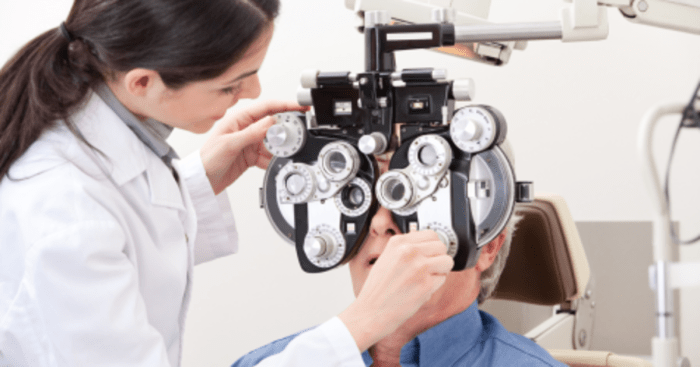
Regular eye exams are essential for maintaining optimal eye health and overall well-being. These exams go beyond just assessing visual acuity; they also help detect early signs of eye conditions and diseases that may not present obvious symptoms. By scheduling regular eye exams, individuals can protect their eyesight and prevent potential vision loss.
Benefits of early detection through regular exams
Regular eye exams enable early detection of eye conditions such as glaucoma, macular degeneration, diabetic retinopathy, and cataracts. Detecting these conditions in their initial stages allows for prompt treatment and management, significantly reducing the risk of vision impairment or blindness.
Recommended frequency of eye exams
Children
Pediatricians recommend eye exams for infants at 6 months, 3 years, and before starting school. Afterward, annual exams are advised.
Adults
Adults under 40 with no vision problems should have an eye exam every 5-10 years. After 40, biennial exams are recommended, increasing to annual exams after 60.
Individuals with existing eye conditions or risk factors should follow their eye care provider’s advice for more frequent exams.
Preventing vision loss and improving quality of life
Regular eye exams play a crucial role in preventing vision loss by identifying issues early and implementing appropriate interventions. By maintaining good eye health through regular exams, individuals can enjoy a better quality of life with clear vision and reduced risk of eye-related complications.
Wellness Programs
Regular eye exams are an essential part of maintaining overall eye health. Wellness programs play a crucial role in promoting eye health screenings and educating individuals about the importance of eye care. Let’s explore how wellness programs can contribute to promoting overall well-being, including eye health.
Examples of Wellness Programs Incorporating Eye Health Screenings, Importance of regular eye exams for maintaining eye health
- Corporate Wellness Programs: Many companies offer wellness programs that include eye health screenings as part of their overall health initiatives for employees.
- Community Health Fairs: Health fairs often include eye health screenings to raise awareness and encourage individuals to prioritize their eye care.
- School Health Programs: Schools may incorporate eye health screenings into their wellness programs to ensure students’ visual health is monitored regularly.
Role of Wellness Programs in Educating Individuals About Eye Care
- Wellness programs provide a platform to educate individuals about the importance of regular eye exams in detecting and managing eye conditions early.
- By raising awareness through educational workshops and materials, wellness programs help individuals understand the significance of preventive eye care.
How Wellness Programs Encourage Regular Eye Exams
- Offering Incentives: Wellness programs may incentivize participants to undergo regular eye exams by providing rewards or discounts for taking proactive steps towards eye health.
- Providing Information: Wellness programs equip individuals with knowledge about the benefits of regular eye exams, encouraging them to prioritize their eye health.
- Creating a Supportive Environment: Wellness programs create a supportive community that encourages participants to prioritize their overall well-being, including scheduling regular eye exams.
Herbal Remedies
When it comes to maintaining good eye health, herbal remedies have been used for centuries to support overall eye function and prevent vision problems. These natural remedies can provide essential nutrients and antioxidants that are beneficial for the eyes.
Popular Herbs and Supplements for Eye Health
- Bilberry: Known for its antioxidant properties, bilberry may help improve night vision and protect the eyes from damage.
- Ginkgo Biloba: This herb is believed to enhance circulation to the eyes and improve overall eye health.
- Lutein and Zeaxanthin: These carotenoids are essential for maintaining healthy vision and may reduce the risk of age-related macular degeneration.
Scientific Research on Herbal Remedies for Eye Health
Several studies have shown the potential benefits of herbal remedies for eye health. For example, a study published in the Journal of Medicinal Food found that bilberry extract improved visual function in patients with early-stage age-related macular degeneration.
Precautions when Using Herbal Remedies for Eye Conditions
It is important to consult with a healthcare professional before using herbal remedies, especially if you are taking medications or have existing eye conditions. Some herbs may interact with medications or cause adverse effects if not used properly.
Skin Health
Maintaining good skin health is not only essential for a glowing complexion but also plays a crucial role in overall well-being. The connection between eye health and skin health is more intertwined than one might think. Both the skin around the eyes and the eyes themselves are delicate and sensitive areas that require proper care and attention.
Lifestyle Factors Impacting Skin and Eye Health
- UV Protection: Exposure to harmful UV rays can damage both the skin and eyes, leading to premature aging and vision problems.
- Nutrition: A diet rich in antioxidants and essential nutrients can benefit both skin and eye health, promoting collagen production and reducing the risk of eye diseases.
- Sleep: Adequate sleep is crucial for skin regeneration and eye rest, as lack of sleep can result in dark circles and eye strain.
- Hydration: Proper hydration is key for maintaining skin elasticity and preventing dryness, which can also impact eye comfort and clarity.
Skincare Tips for Healthy Eyes
- Gentle Cleansing: Use a mild cleanser to remove makeup and impurities without harshly rubbing the delicate skin around the eyes.
- Moisturize: Apply a hydrating eye cream to keep the skin around the eyes nourished and prevent fine lines and wrinkles.
- Sun Protection: Wear sunglasses with UV protection and apply sunscreen around the eyes to shield the skin from harmful sun exposure.
- Avoid Rubbing: Refrain from rubbing your eyes to prevent irritation and potential damage to the sensitive skin.
Protecting the Delicate Skin Around the Eyes
- Eye Creams: Look for eye creams with ingredients like hyaluronic acid and peptides to hydrate and firm the skin around the eyes.
- Gentle Makeup Removal: Use a gentle makeup remover to avoid tugging or pulling on the skin, especially around the eyes.
- Cool Compresses: Applying a cool compress can help reduce puffiness and soothe tired eyes, while also refreshing the skin.
- Avoid Harsh Products: Be mindful of using harsh chemicals or abrasive exfoliants near the eyes to prevent irritation and damage.
Bone Density
Maintaining healthy bone density is not only crucial for overall physical health but also plays a role in promoting good eye health. The relationship between bone density and eye health is often overlooked but is important to consider for overall well-being.Certain nutrients that are essential for bone health, such as calcium, vitamin D, and vitamin K, also play a vital role in supporting eye health.
These nutrients help maintain the structural integrity of bones and contribute to the proper functioning of the eyes.
Nutrients for Bone Health and Eye Health
- Calcium: Essential for bone strength and density, calcium also supports eye health by helping with proper nerve function in the eyes.
- Vitamin D: Helps the body absorb calcium and maintain bone health, while also reducing the risk of age-related eye diseases.
- Vitamin K: Important for bone metabolism and mineralization, vitamin K also helps in preventing age-related macular degeneration.
Lifestyle Habits for Bone and Eye Health
- Regular exercise: Weight-bearing exercises improve bone density and also promote good circulation to the eyes.
- Healthy diet: Consuming foods rich in nutrients like calcium, vitamin D, and vitamin K can benefit both bone and eye health.
- Adequate sunlight exposure: Sunlight is a natural source of vitamin D, which is important for bone health and overall eye health.
Recommendations for Maintaining Healthy Bones
- Get regular bone density screenings to monitor bone health and take necessary steps to prevent osteoporosis.
- Ensure a balanced diet with sufficient calcium, vitamin D, and vitamin K to support bone density and eye health.
- Avoid smoking and excessive alcohol consumption, as they can negatively impact bone density and eye health.
Muscle Mass
Regular eye exams are crucial for maintaining eye health, but did you know that muscle mass can also have an indirect impact on your eyes? Muscle mass plays a vital role in overall health, including eye health, as it contributes to better circulation and overall body function.
Let’s delve into how muscle mass and eye health are interconnected.
Role of Exercise
Regular exercise not only helps in maintaining muscle mass but also promotes overall health, including eye health. Physical activity improves blood circulation, reduces inflammation, and helps in maintaining a healthy weight, all of which can benefit your eyes. Incorporating a mix of cardiovascular exercise, strength training, and flexibility exercises into your routine can have a positive impact on both muscle mass and eye health.
Exercises for Muscle Mass and Eye Health
- Strength Training: Exercises like squats, lunges, and push-ups help in building muscle mass and improving overall strength, which can indirectly benefit eye health.
- Cardiovascular Exercise: Activities like running, cycling, or swimming not only enhance cardiovascular health but also contribute to maintaining muscle mass and promoting eye health.
- Yoga and Pilates: These forms of exercise focus on flexibility, balance, and strength, which can aid in maintaining muscle mass and supporting eye health.
Tips for Maintaining Muscle Mass
- Consume an adequate amount of protein to support muscle growth and repair.
- Stay hydrated to ensure proper muscle function and overall health.
- Include resistance training in your workout routine to prevent muscle loss and maintain muscle mass.
- Get enough rest and sleep to allow your muscles to recover and grow.
- Consult a fitness professional or healthcare provider for personalized advice on maintaining muscle mass as part of a healthy lifestyle.
Dental Care
Maintaining good dental health is not only essential for a bright smile but also plays a crucial role in supporting overall well-being, including eye health. The link between dental health and eye health is often overlooked, but they are interconnected in various ways.
Impact of Oral Hygiene on Overall Well-being
- Poor oral hygiene practices can lead to gum disease, which has been linked to serious health conditions such as heart disease, diabetes, and even vision problems.
- Bacteria from gum disease can enter the bloodstream and affect other parts of the body, including the eyes, potentially leading to inflammation and other issues.
- Regular brushing, flossing, and dental check-ups not only keep your teeth and gums healthy but can also contribute to maintaining optimal overall health, including supporting eye health.
Tips for Maintaining Good Dental Health
- Brush your teeth at least twice a day with fluoride toothpaste and replace your toothbrush every 3-4 months.
- Floss daily to remove plaque and food particles between your teeth.
- Limit sugary and acidic foods and drinks that can contribute to tooth decay.
- Visit your dentist regularly for check-ups and professional cleanings to detect and prevent any dental issues early on.
Importance of Regular Dental Check-ups
- Regular dental check-ups are crucial for detecting and addressing any dental problems before they escalate, helping to maintain good oral health.
- Dentists can also spot signs of systemic diseases or conditions during routine exams, contributing to overall health and well-being, including eye health.
- Don’t wait for dental issues to arise; schedule regular check-ups to ensure your oral health is in top condition and to support your overall well-being.
Mental Clarity
Maintaining good eye health is not only crucial for clear vision but also plays a significant role in ensuring mental clarity. The connection between eye health and mental well-being is often overlooked, but it is essential to understand how our vision impacts cognitive function.
Importance of Good Vision for Cognitive Function
- Good vision is directly linked to cognitive abilities such as memory, attention, and problem-solving skills.
- Clear vision allows the brain to process information accurately and efficiently, leading to better mental performance.
- Poor eyesight can strain the brain as it struggles to make sense of blurry or distorted visual input, affecting mental clarity.
Tips for Maintaining Mental Clarity Through Proper Eye Care
- Get regular eye exams to detect any vision problems early and prevent them from affecting cognitive function.
- Follow the 20-20-20 rule: Every 20 minutes, look at something 20 feet away for at least 20 seconds to reduce eye strain.
- Avoid prolonged screen time and take frequent breaks to rest your eyes and prevent mental fatigue.
Preventing Eye Strain for Better Mental Clarity
- Adjust the lighting in your workspace to reduce glare and harsh reflections that can strain your eyes and impact mental clarity.
- Use proper ergonomics when using digital devices to maintain a comfortable viewing distance and angle, minimizing eye strain.
- Practice eye exercises and relaxation techniques to alleviate eye strain and promote mental clarity.
Joint Flexibility
Regular eye exams are essential for maintaining eye health, but did you know that joint flexibility can also play a role in supporting your vision? The flexibility of your joints, especially in the neck, shoulders, and back, can impact the circulation of blood and nutrients to the eyes, ultimately affecting their overall health.
Physical Activities for Joint Flexibility and Eye Health
Engaging in physical activities that promote joint flexibility can have a positive impact on your eye health. Activities like yoga, pilates, and stretching exercises not only help improve joint mobility but also enhance blood flow to the eyes, reducing the risk of eye strain and other vision issues.
- Yoga: Practicing yoga poses that target the neck, shoulders, and back can help improve joint flexibility and relieve tension that may affect your eye health.
- Pilates: Pilates exercises focus on strengthening and stretching the muscles, which can indirectly benefit joint flexibility and eye health by promoting better posture and alignment.
- Stretching Exercises: Simple stretches like neck rotations, shoulder rolls, and back stretches can help maintain joint flexibility and alleviate stiffness that may impact your vision.
Maintaining Joint Health for Overall Well-being
In addition to incorporating physical activities that support joint flexibility, there are other strategies you can follow to maintain joint health and improve your overall well-being.
- Stay Active: Regular exercise, including cardiovascular activities, strength training, and flexibility exercises, can help keep your joints healthy and functional.
- Eat a Balanced Diet: Consuming a diet rich in fruits, vegetables, lean proteins, and omega-3 fatty acids can support joint health and reduce inflammation in the body.
- Stay Hydrated: Drinking an adequate amount of water each day can help keep your joints lubricated and functioning properly.
- Avoid Prolonged Sitting: Sitting for long periods can contribute to joint stiffness and discomfort, so make sure to take breaks and move around throughout the day.
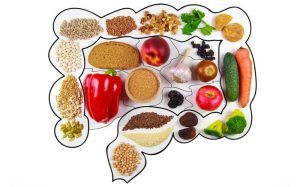
Digestive Health
Maintaining good digestive health is not only important for overall well-being but also plays a crucial role in supporting eye health. The relationship between digestive health and eye health is interconnected, as proper digestion affects the absorption of essential nutrients that are vital for maintaining optimal eye function.
Nutrient Absorption
Proper digestion ensures that nutrients like vitamins A, C, and E, zinc, and omega-3 fatty acids are effectively absorbed by the body. These nutrients are known to support eye health by reducing the risk of age-related macular degeneration, cataracts, and other vision problems.
- Include fiber-rich foods like fruits, vegetables, whole grains, and legumes in your diet to promote healthy digestion and improve nutrient absorption for better eye health.
- Stay hydrated by drinking an adequate amount of water throughout the day to support digestion and maintain overall health.
Foods for Digestive & Eye Health
Certain foods not only promote good digestion but also benefit the eyes due to their nutrient content. Incorporating these foods into your diet can help support both digestive health and eye health.
Foods like spinach, kale, carrots, sweet potatoes, and bell peppers are rich in vitamins and antioxidants that support digestive health and contribute to better eye health.
- Probiotic-rich foods like yogurt, kefir, and sauerkraut can help maintain a healthy balance of gut bacteria, improving digestion and supporting the absorption of nutrients beneficial for eye health.
- Fatty fish like salmon, mackerel, and sardines are excellent sources of omega-3 fatty acids, which have anti-inflammatory properties that can benefit both digestion and eye health.
Detox Process
Detoxification is a crucial process that helps rid the body of toxins and waste, which can have a significant impact on overall health, including the health of our eyes. By supporting the body’s natural detox process, we can promote better eye health and overall well-being.
Importance of Detoxification for Eye Health
Detoxification plays a vital role in maintaining clear vision and preventing eye conditions. Toxins and free radicals can accumulate in the body, leading to inflammation and oxidative stress, which can negatively affect the eyes. By detoxifying the body, we can reduce the risk of eye-related issues and support optimal vision.
- Include antioxidant-rich foods in your diet, such as berries, leafy greens, and nuts, to help combat free radicals and protect your eyes.
- Stay hydrated by drinking plenty of water to flush out toxins and support the body’s natural detox process.
- Engage in regular physical activity to promote circulation and lymphatic drainage, aiding in the elimination of waste and toxins from the body.
Recommendations for a Healthy Detox Lifestyle
Incorporating healthy habits into your daily routine can support the body’s detox process and improve eye health in the long run.
- Avoid processed foods and opt for whole, nutrient-dense foods to provide essential vitamins and minerals for detoxification.
- Practice stress-reducing techniques like meditation or yoga to lower cortisol levels and promote detoxification.
- Get an adequate amount of sleep each night to allow the body to repair and rejuvenate, supporting the detox process.
Blood Pressure: Importance Of Regular Eye Exams For Maintaining Eye Health
Regular eye exams are essential for maintaining good eye health, but it’s also important to consider other aspects of our overall well-being. One crucial factor to take into account is blood pressure, as it plays a significant role in eye health.
Relationship between Blood Pressure and Eye Health
Maintaining healthy blood pressure levels is vital for supporting good eye health. High blood pressure, also known as hypertension, can have a negative impact on the eyes and vision. The delicate blood vessels in the eyes can be affected by high blood pressure, leading to conditions such as hypertensive retinopathy, which can result in vision problems or even vision loss.
- High blood pressure can cause damage to the optic nerve, leading to glaucoma.
- It can also increase the risk of developing macular degeneration, a leading cause of blindness.
- Hypertension can contribute to the formation of blood clots in the retinal blood vessels, affecting blood flow to the eyes.
Tips for Maintaining Healthy Blood Pressure Levels
To support eye health and overall well-being, it is crucial to keep your blood pressure within a healthy range. Here are some tips to help maintain healthy blood pressure levels:
- Follow a balanced diet rich in fruits, vegetables, whole grains, and lean proteins.
- Engage in regular physical activity to help manage stress and maintain a healthy weight.
- Avoid excess salt and processed foods, which can contribute to high blood pressure.
- Monitor your blood pressure regularly and consult with your healthcare provider if you have concerns.
Importance of Regular Blood Pressure Monitoring
Regular monitoring of blood pressure is essential for overall well-being, including eye health. By keeping track of your blood pressure levels, you can identify any potential issues early on and take steps to address them. Routine blood pressure checks can help prevent complications related to high blood pressure and support your eye health in the long run.
Heart Rate
Regular eye exams are crucial for maintaining eye health, but it’s also important to consider other aspects of our overall well-being. One such factor is our heart rate, which can have a significant impact on our eye health.
Connection between Cardiovascular Health and Eye Health
Our cardiovascular health plays a vital role in maintaining the well-being of our eyes. The eyes rely on a healthy blood flow and oxygen supply to function properly. Any issues with our heart rate or cardiovascular system can disrupt this supply, leading to potential eye problems such as vision loss or damage.
- Regular exercise: Engaging in cardiovascular exercises like running, swimming, or cycling can help improve heart rate and overall cardiovascular health. This, in turn, benefits the eyes by ensuring proper blood flow.
- Healthy diet: Consuming a diet rich in antioxidants, omega-3 fatty acids, and vitamins can promote heart health and support eye function.
- Stress management: Chronic stress can negatively impact heart rate and overall health. Managing stress through relaxation techniques or mindfulness practices can benefit both the heart and eyes.
Monitoring Heart Rate for Eye Care
It’s essential to monitor our heart rate as part of a holistic approach to eye care. By keeping track of our heart rate during physical activities or rest, we can assess our cardiovascular health and its potential impact on our eyesight.
Regular eye exams are not just about checking vision but also about considering the interconnectedness of our body systems, including cardiovascular health and heart rate.
Health Screenings
Regular health screenings play a crucial role in maintaining overall health, including eye health. These screenings can help detect potential eye conditions early on, allowing for timely intervention and treatment. It is important to incorporate regular health screenings into your healthcare routine to ensure the well-being of your eyes and overall health.
Types of Health Screenings for Eye Health
- Eye exams: Regular comprehensive eye exams can help detect issues such as refractive errors, glaucoma, cataracts, and other eye conditions.
- Retinal screening: This screening can detect signs of diabetic retinopathy, macular degeneration, and other retinal disorders.
- Visual field test: Helps in assessing peripheral vision and detecting conditions like glaucoma.
Early detection through these screenings can prevent vision loss and maintain optimal eye health.
Recommendations for Regular Health Screenings
- Schedule annual eye exams with an optometrist or ophthalmologist to monitor your eye health.
- If you have specific risk factors such as diabetes or a family history of eye diseases, consider more frequent screenings as advised by your eye care professional.
- Discuss with your healthcare provider about incorporating regular health screenings, including eye exams, into your overall health maintenance plan.
Vaccination Programs
In today’s discussion, we will delve into the crucial link between vaccination programs and eye health, highlighting how vaccinations play a pivotal role in preventing infections that could potentially impact the eyes.
Preventing Eye Infections through Vaccinations
- Vaccinations such as the flu shot can help prevent viral infections that may lead to eye complications.
- The pneumococcal vaccine is essential in reducing the risk of infections like pneumonia, which can have secondary effects on eye health.
Relevant Vaccines for Eye Health
- The MMR (measles, mumps, and rubella) vaccine is crucial as measles can cause serious eye conditions such as keratitis and optic nerve inflammation.
- The hepatitis B vaccine is important as hepatitis B infection can lead to liver problems that may impact eye health.
Staying Up-to-Date with Vaccination Programs
- Regularly consult with healthcare providers to ensure you are up-to-date with recommended vaccinations for overall well-being.
- Keep track of vaccination schedules and follow through with booster shots or new vaccines as advised by healthcare professionals.
Healthy Habits
Maintaining healthy habits is crucial for supporting eye health and overall well-being. By incorporating daily practices that prioritize eye care, individuals can enjoy the long-term benefits of optimal vision and eye health.
Examples of Healthy Habits for Eye Health
- Ensure a balanced diet rich in fruits and vegetables, particularly those high in vitamins A, C, and E, as well as omega-3 fatty acids.
- Avoid prolonged screen time and take regular breaks to reduce eye strain.
- Protect your eyes from harmful UV rays by wearing sunglasses outdoors.
- Stay hydrated by drinking an adequate amount of water daily to prevent dry eyes.
Tips for Incorporating Healthy Habits
- Set reminders to blink frequently while using digital devices to keep eyes moist.
- Establish a routine for regular eye exams to detect any issues early on.
- Practice good hygiene by washing hands before touching your eyes to prevent infections.
Long-Term Benefits of Healthy Habits
- Reduced risk of age-related eye diseases such as macular degeneration and cataracts.
- Improved overall well-being and quality of life by maintaining optimal vision.
- Promotion of eye health throughout life, leading to lower healthcare costs in the long run.
Balanced Hormones
Maintaining balanced hormones is crucial for overall well-being, including eye health. Hormonal changes can have a significant impact on vision and eye health, making it essential to understand how to support hormonal balance for optimal eye function.
Impact of Balanced Hormones on Eye Health
- Hormones play a key role in regulating various functions in the body, including those related to eye health.
- Imbalances in hormones can lead to issues such as dry eyes, blurred vision, and even increased risk of certain eye conditions.
- By maintaining balanced hormones, individuals can support healthy vision and reduce the likelihood of experiencing eye-related problems.
Tips for Maintaining Hormonal Balance
- Eat a balanced diet rich in nutrients that support hormone production and regulation.
- Engage in regular exercise to help manage stress levels and promote hormonal balance.
- Get an adequate amount of sleep each night to support hormone regulation and overall well-being.
- Consider incorporating stress-reducing activities such as meditation or yoga into your daily routine.
Role of Hormones in Preserving Eye Health as We Age
- As we age, hormonal changes can impact various aspects of eye health, such as the development of cataracts or age-related macular degeneration.
- Maintaining balanced hormones through lifestyle choices and possibly hormone therapy can help support eye health as we grow older.
- Regular eye exams are essential for detecting any changes in vision that may be related to hormonal fluctuations.
- Consulting with healthcare professionals to address any hormonal imbalances can also be beneficial for preserving eye health over time.
Health Coaching
Health coaching plays a crucial role in promoting eye health by providing personalized support and guidance to individuals in achieving their eye care goals. Health coaches are trained professionals who can offer valuable assistance in developing and maintaining healthy habits that contribute to overall well-being, including eye health.
Supporting Eye Care Goals
Health coaches can support individuals in achieving their eye care goals by creating customized plans that focus on proper eye care practices, such as regular eye exams, maintaining a healthy diet rich in eye-friendly nutrients, and incorporating eye exercises into daily routines.
They can also offer motivation, accountability, and education to help individuals stay on track with their eye care regimen.
Benefits of Working with a Health Coach
- Health coaches can provide personalized guidance and support tailored to individual needs and goals.
- They can help individuals make sustainable lifestyle changes that promote overall well-being, including eye health.
- Health coaches can offer motivation, encouragement, and accountability to help individuals stay committed to their eye care routine.
- Working with a health coach can lead to improved eye health outcomes, such as better vision, reduced risk of eye diseases, and enhanced quality of life.
Finding a Qualified Health Coach
When looking for a health coach specializing in eye health, it is essential to choose a qualified professional with relevant certifications, experience, and expertise in eye care. Consider seeking recommendations from healthcare providers, researching online directories, or reaching out to reputable health coaching organizations to find a qualified health coach who can support your eye care needs effectively.
Fitness Goals
Regular physical activity plays a crucial role in maintaining overall health, including eye health. By setting fitness goals that prioritize eye health, individuals can improve their vision and well-being. Incorporating eye-friendly exercises into a fitness routine can have lasting benefits for the eyes.
Connection Between Fitness Goals and Eye Health
Regular physical activity can improve blood circulation throughout the body, including the eyes. This increased blood flow helps deliver essential nutrients and oxygen to the eyes, promoting optimal eye health. Additionally, exercise can reduce the risk of conditions like diabetes and high blood pressure, which are linked to eye issues such as diabetic retinopathy and glaucoma.
Benefits of Regular Physical Activity for the Eyes and Overall Well-being
- Enhanced blood flow to the eyes
- Reduced risk of eye diseases
- Improved overall health and well-being
- Increased energy levels
- Better mood and mental clarity
Tips for Setting Fitness Goals Prioritizing Eye Health
- Consult with an eye care professional before starting a new exercise regimen
- Include a mix of cardiovascular, strength training, and eye-friendly exercises
- Set specific and measurable goals related to improving eye health
- Track your progress and adjust your fitness routine as needed
Importance of Incorporating Eye-Friendly Exercises into a Fitness Routine
Eye-friendly exercises, such as focusing on distant objects, eye rotations, and blinking exercises, can help reduce eye strain and improve focus. These exercises can be easily incorporated into a daily fitness routine to promote better eye health and visual acuity.
Diet Planning
Maintaining a healthy diet is essential for overall well-being, including the health of our eyes. Nutrition plays a crucial role in supporting good vision and preventing eye conditions. By incorporating specific nutrients into our daily meals, we can promote eye health and ensure optimal function of our visual system.
Impact of Diet on Eye Health
- Eating a diet rich in antioxidants, vitamins, and minerals can help protect the eyes from oxidative stress and reduce the risk of age-related macular degeneration and cataracts.
- Fatty acids like omega-3 and omega-6 are important for maintaining the structure of the retina and supporting healthy tear production, which is essential for lubricating the eyes.
- Including foods high in lutein and zeaxanthin, such as leafy greens, eggs, and colorful vegetables, can enhance visual performance and protect against eye diseases.
Dietary Recommendations for Eye Health
- Include a variety of fruits and vegetables in your meals to ensure a good intake of vitamins A, C, and E, as well as minerals like zinc and selenium.
- Incorporate sources of healthy fats like nuts, seeds, and oily fish to support the structure and function of the eyes.
- Avoid excessive consumption of processed foods, sugary snacks, and trans fats, as they can contribute to inflammation and compromise eye health.
Creating a Balanced Diet Plan
- Plan meals that are colorful and diverse, incorporating different food groups to ensure a well-rounded nutrient intake.
- Consult with a nutritionist or dietitian to develop a personalized meal plan that addresses your specific dietary needs and supports overall well-being, including eye health.
- Stay hydrated by drinking an adequate amount of water throughout the day, as dehydration can lead to dry eyes and eye strain.
Health Supplements
Health supplements play a crucial role in supporting eye health by providing essential nutrients that may be lacking in our diet. These supplements can help maintain good vision and overall eye function.
Popular Supplements for Eye Health
- Vitamin A: Essential for good vision and overall eye health.
- Omega-3 fatty acids: Help reduce inflammation in the eyes and support tear production.
- Lutein and Zeaxanthin: Antioxidants that help protect the eyes from harmful light and reduce the risk of age-related macular degeneration.
Considerations for Choosing Supplements
When selecting supplements for eye care, it is important to consider the quality of the product, dosage recommendations, and any potential interactions with other medications. Look for supplements from reputable brands and consult with a healthcare professional before adding them to your routine.
Importance of Consulting a Healthcare Professional
Before starting any supplement regimen for eye health, it is crucial to consult with a healthcare professional, such as an optometrist or a nutritionist. They can provide personalized recommendations based on your specific needs and help monitor your progress to ensure optimal results.
Breathing Techniques
Breathing techniques play a crucial role in maintaining eye health by promoting relaxation and reducing eye strain. Incorporating deep breathing exercises into your daily routine can have significant benefits for your overall well-being, including your eye health.
Connection between Breathing Techniques and Eye Health
- Deep breathing helps increase oxygen flow to the eyes, improving circulation and reducing eye fatigue.
- Relaxation from deep breathing can help reduce stress and tension in the eye muscles, preventing strain.
Tips for Incorporating Breathing Techniques
- Start your day with a few minutes of deep breathing exercises to relax your mind and eyes.
- Take short breaks throughout the day to practice deep breathing and give your eyes a rest from screen time.
- Combine deep breathing with eye exercises to enhance the benefits for your eye health.
Benefits of Mindfulness Practices
- Mindfulness practices that include breathing exercises can improve focus and concentration, benefiting eye health.
- Reducing stress through mindfulness can also lower the risk of developing eye conditions related to stress and tension.
Disease Prevention
Regular eye exams play a crucial role in disease prevention when it comes to maintaining eye health. By detecting potential issues early on, individuals can take proactive measures to prevent common eye diseases and conditions that may lead to vision loss.
Common Eye Diseases and Conditions
- Age-Related Macular Degeneration (AMD): Regular eye exams can help in early detection and management of AMD, a leading cause of vision loss in older adults.
- Glaucoma: Routine check-ups can aid in the early diagnosis of glaucoma, a group of eye conditions that damage the optic nerve and can result in blindness if left untreated.
- Cataracts: Through regular screenings, cataracts can be identified early, allowing for timely treatment to prevent vision impairment.
Strategies for Prevention
- Healthy Lifestyle: Maintaining a balanced diet rich in nutrients, protecting eyes from UV exposure, and avoiding smoking can reduce the risk of eye diseases.
- Regular Check-ups: Scheduling routine eye exams with an eye care professional can help monitor eye health and detect issues early on.
- Eye Protection: Wearing appropriate eyewear during sports or activities that pose a risk to eye health can prevent injuries that may lead to vision problems.
Importance of Early Detection
Regular eye exams not only aid in early detection of eye-related diseases but also help in preserving vision for the long term. By identifying problems at their onset, individuals can seek timely treatment and prevent irreversible damage to their eyesight.
Pain Management
Eye health is crucial, and part of maintaining it involves managing pain effectively. Whether it’s due to eye strain, discomfort, or specific eye conditions, having strategies in place to address and alleviate pain is essential for overall well-being.
Common Eye Conditions and Pain Management Strategies
- One common eye condition that may cause discomfort is dry eye syndrome. To manage pain associated with this condition, using artificial tears or a humidifier can help relieve symptoms.
- Another prevalent issue is eye strain from prolonged screen time. To combat this, implementing the 20-20-20 rule (looking at something 20 feet away for 20 seconds every 20 minutes) can reduce strain and discomfort.
- In cases of eye infections or inflammation, warm compresses and prescribed eye drops can aid in pain management and promote healing.
Tips for Relieving Eye Strain and Discomfort
- Ensure proper lighting when reading or using electronic devices to reduce eye strain.
- Adjust the brightness and contrast settings on screens to a comfortable level.
- Practice eye exercises and relaxation techniques to alleviate tension and promote eye health.
When to Seek Professional Help
- If you experience persistent eye pain, sudden changes in vision, or eye trauma, it is vital to seek immediate medical attention from an eye care professional.
- Regular eye exams can also help detect underlying issues early and prevent potential complications that may lead to eye pain.
Holistic Treatments
Holistic treatments play a crucial role in promoting eye health by focusing on the interconnectedness of the body and mind. These alternative therapies can complement traditional eye care practices and provide a more comprehensive approach to maintaining optimal vision and overall well-being.
Acupuncture for Eye Health
Acupuncture, an ancient Chinese healing technique, has been used to improve eye health by stimulating specific acupoints related to the eyes. This method can help reduce eye strain, alleviate dry eyes, and promote better circulation to the eye tissues. By integrating acupuncture into your eye care plan, you can experience enhanced visual clarity and overall eye health.
Herbal Remedies for Eye Care
Herbal remedies, such as bilberry, ginkgo biloba, and eyebright, are known for their beneficial effects on eye health. These natural supplements contain antioxidants and anti-inflammatory properties that support eye function and protect against age-related eye conditions. Incorporating herbal remedies into your daily routine can help maintain healthy vision and prevent degenerative eye diseases.
Yoga and Eye Exercises
Practicing yoga and specific eye exercises can strengthen the eye muscles, improve focus, and reduce eye strain. Techniques like palming, eye rotations, and near-far focusing exercises can enhance eye flexibility and coordination. By incorporating yoga and eye exercises into your wellness routine, you can promote better eye health and prevent vision problems associated with prolonged screen time.
Mental Resilience
Building mental resilience is crucial for maintaining good eye health. Stress and mental well-being play a significant role in affecting vision, as they can lead to conditions like eye strain, dry eyes, and even more severe issues like glaucoma or macular degeneration.
Therefore, it is essential to prioritize mental health to support overall eye health.
Tips for Building Mental Resilience
- Practice mindfulness and relaxation techniques such as deep breathing exercises or meditation to reduce stress levels.
- Engage in regular physical activity, as exercise has been shown to improve mood and reduce anxiety.
- Ensure an adequate amount of sleep each night to allow your mind and body to rest and recharge.
- Establish a strong support system of friends, family, or mental health professionals to lean on during challenging times.
- Avoid negative thought patterns and focus on cultivating a positive mindset through gratitude practices or affirmations.
Connection Between Positive Mindset and Eye Health
Maintaining a positive mindset can directly impact eye health by reducing the likelihood of developing stress-related eye conditions. Studies have shown that individuals with a more optimistic outlook tend to have better overall health outcomes, including lower rates of eye diseases.
By building mental resilience and fostering a positive mindset, you can support your eye health and overall well-being.
Final Thoughts
In conclusion, the importance of regular eye exams for maintaining eye health cannot be overstated. By staying proactive with eye care and scheduling routine check-ups, individuals can safeguard their vision, detect any potential problems early, and ultimately enhance their overall quality of life.
General Inquiries
How often should I have an eye exam?
It’s generally recommended to have a comprehensive eye exam every 1-2 years, but this frequency may vary based on age and existing eye health issues.
What are the benefits of early detection in eye exams?
Early detection of eye conditions through regular exams can help in timely treatment, preventing vision loss, and maintaining optimal eye health.
Can eye exams improve quality of life?
Absolutely, regular eye exams can prevent vision problems, ensure clear eyesight, and contribute to an overall better quality of life.